
Clearing the Air: Common Misconceptions About E-Cig Use and Ingredients
Vaping has transformed how people think about nicotine consumption, and yet the public conversation is full of simplified claims and half-true headlines. Among the most persistent assertions is the idea that modern vaping devices contain nothing more than water and aroma. That notion—summarized in variants such as E-Zigaretten misconceptions and the belief that most e cigarettes contain only water and flavoring—deserves careful unpacking. This long-form guide examines the chemistry, regulation, risks, and industry responses so readers can form an informed position rather than rely on a viral claim.
What people mean when they say “only water and flavoring”
When commentators say that most e cigarettes contain only water and flavoring, they’re usually reacting to simplified lab reports or marketing language. In reality, e-liquids are mixtures whose base and active components vary by product type and producer. The most common base liquids are propylene glycol (PG) and vegetable glycerin (VG), not plain water. Some low-cost or novelty cartridges may use more dilute solutions, but the blanket statement that e-cigarettes are simply water plus flavor is misleading because it omits solvents, nicotine, and minor additives that influence vapor production and sensory experience.
Core components of typical e-liquids
- Propylene glycol (PG): a widely used solvent that carries flavor and produces a throat hit similar to smoking.
- Vegetable glycerin (VG): thicker than PG, VG yields denser clouds and a smoother inhale.
- Nicotine (optional): concentrations range from zero to high levels in some refill solutions.
- Flavorings: food-grade chemicals that create fruit, dessert, menthol, and tobacco tastes.
- Additives and stabilizers
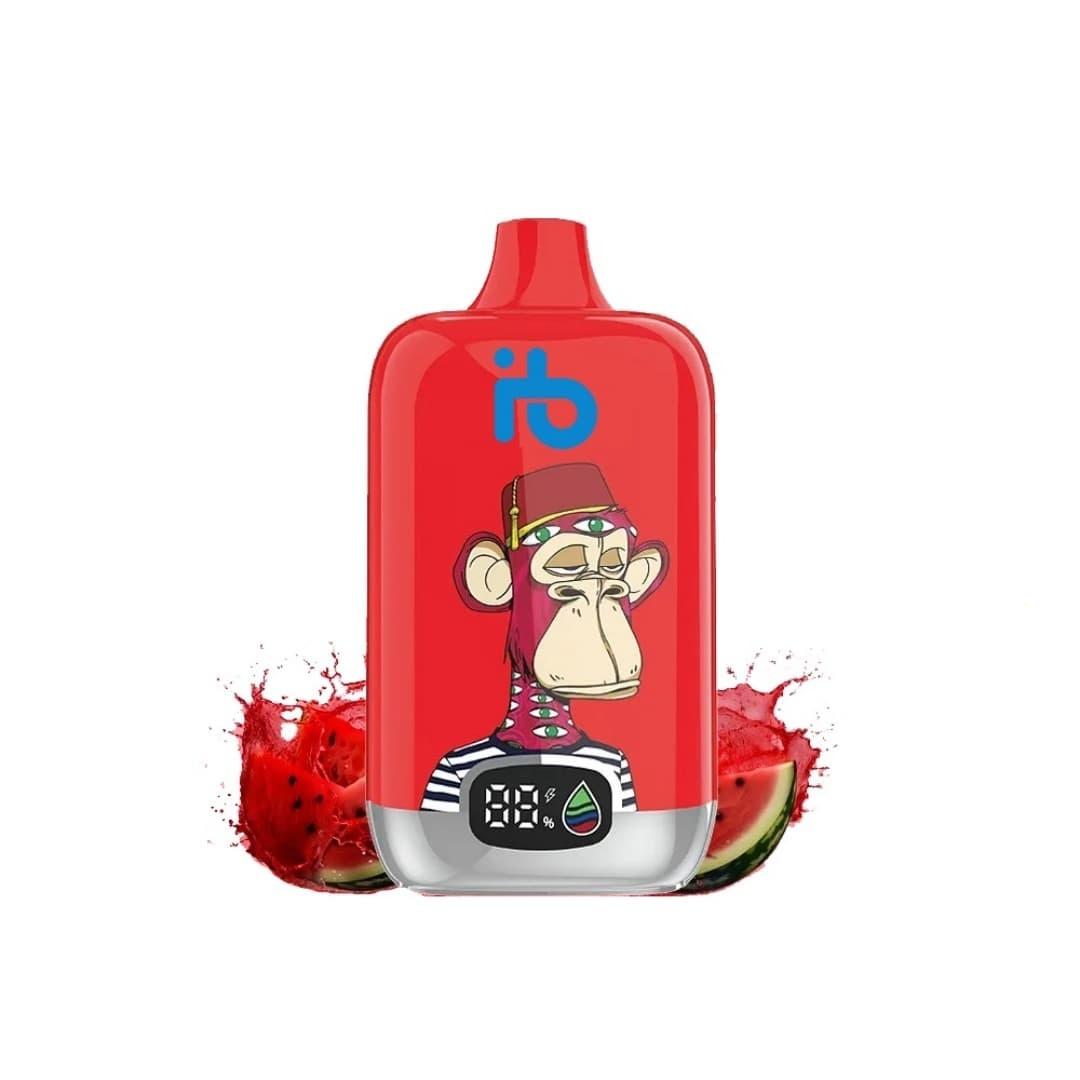 : tiny amounts of preservatives, acids (for pH), sweeteners, and cooling agents may be present.
Why “water” shows up in the conversation
Water can be a minor constituent in some formulations or used by some manufacturers to adjust viscosity, yet it is not the functional base most e-liquids rely on. Water’s low boiling point and lack of flavor-carrying ability make it a poor choice for consistent vape performance. When a consumer sees a claim that E-Zigaretten or disposable devices are “mostly water,” the statement often conflates devices that contain a high percentage of aqueous filler (uncommon) with the larger market that uses PG/VG blends.
How experts respond: what the science says
Toxicologists, pulmonologists, and chemists emphasize specificity. Peer-reviewed studies analyze hundreds of e-liquid samples and show clear patterns: nicotine is present in many commercial liquids at labeled or misreported concentrations, flavoring chemicals cover a broad chemical space, and thermal decomposition during vaping can create additional compounds not present in the stored liquid. When analyzing claims such as most e cigarettes contain only water and flavoring, experts stress that the phrase ignores the role of solvent carriers, nicotine delivery, and by-products generated at high device temperatures.
Thermal chemistry and by-products
Heating a liquid changes chemistry. PG and VG at high temperatures can form small amounts of carbonyls (including formaldehyde and acetaldehyde), particularly when a device runs too hot or a coil is starved of liquid. These by-products are typically not “flavorings” nor water derivatives, and they can be biologically active. Experiments with realistic puffing regimens find variable levels, and that variability is a core reason regulators call for product standards.
Regulatory perspective and quality control
Government agencies in many countries do not treat e-liquids as simple consumer beverages. Where regulated, components and labeling are subject to testing. Quality control lapses occur in some corners of the market—counterfeit cartridges, unregulated imports, and black-market refills may contain undeclared substances. Nonetheless, regulated brands tend to disclose their PG/VG ratios and nicotine levels, countering the claim that everything is “just water and flavoring.” Highlighting E-Zigaretten in regulatory contexts underscores the linguistic crossover between German-language discussions and broader public-health debates.
Labeling and mislabeling issues
Mislabeling remains a problem: independent testing has occasionally found products with nicotine despite being labeled “nicotine-free,” and vice versa. This reality helps explain why sensational statements gain traction. Consumers sometimes encounter products with water-heavy formulations or suspicious additives; these instances fuel generalizations even though they do not represent the majority of tested, compliant products.
Health implications: nuanced risks rather than binary answers
Public health questions about vaping often ask whether e-cigarettes are “safe” or “harmless.” The correct framing is comparative risk and context-dependent risk. For adult smokers, switching from combustible tobacco to regulated e-cigarettes can reduce exposure to certain toxicants present in smoke, but that does not make vaping risk-free. Children and non-users exposed to flavored aerosols or experimental additives face different risk matrices. Therefore, simplistic taglines like most e cigarettes contain only water and flavoring can obscure nuanced trade-offs that matter to regulators and clinicians.
Short-term versus long-term effects
Short-term studies examine irritation, lung function changes, and cardiovascular markers after acute exposure. Long-term surveillance is still being compiled because widespread vaping is a relatively recent phenomenon. Researchers track respiratory symptoms, biomarkers, and population-level tobacco use trends to determine the net public-health outcome.
Flavorings: food-safe does not equal inhalation-safe
One of the most important clarifications experts make is that a flavoring compound approved for ingestion isn’t automatically safe for inhalation. The lungs are sensitive tissues, and aerosolized chemicals behave differently than swallowed ones. Certain flavoring agents—diacetyl is a well-known example—were associated with severe lung disease when inhaled chronically in occupational settings. Thus, even if a liquid is “just flavoring,” the health implications depend on which flavoring chemicals are used and how they transform during heating.
Common flavor-related concerns
- Respiratory irritation from aldehydes and other volatile organics.
- Immune responses to certain aromatic compounds.
- Unknown long-term effects due to inhalation of novel molecules.
Practical advice for consumers
If you’re trying to parse headlines—especially those simplified to claims like most e cigarettes contain only water and flavoring—here are actionable steps: choose products from reputable brands with transparent lab reports; check nicotine concentration and PG/VG ratio; avoid unregulated refills and cartridges; keep devices properly maintained to reduce overheating and coil degradation; and stay informed through reliable public-health sources rather than social media snippets.
Buying checklist
- Look for third-party lab testing and Certificates of Analysis (COAs).
- Avoid products sold without ingredient lists.
- Prefer regulated retail channels.
- Be cautious with extremely cheap disposables—quality control can be inconsistent.
Industry responses and reformulation trends
Producers respond to consumer demand and regulatory pressure by reformulating. Many reputable manufacturers now provide COAs that quantify nicotine, identify flavoring agents, and screen for contaminants. Innovations in nicotine salts, adjustable PG/VG ratios, and temperature control aim to optimize nicotine delivery while minimizing harmful by-products. The industry narrative increasingly emphasizes transparency to counter oversimplified statements that position e-cigarettes as inert water-flavor solutions.
Technology and harm-reduction design
Temperature control, mesh coils, and improved wicking materials reduce the chance of thermal decomposition. These engineering improvements are part of why blanket claims like E-Zigaretten are mischaracterized: device design influences chemistry as much as the liquid does.
Environmental considerations
Disposable e-cigarettes, particularly cheap single-use devices, create waste and potential leaching risks. Even if a cartridge contained mostly water and flavoring (rare in representative products), the plastic, metal, and battery components still present disposal challenges. Refillable systems mitigate some waste but require responsible handling of e-liquid bottles and empty containers.
Battery and plastics impact
Improper disposal of lithium-ion batteries poses fire and environmental hazards. Recycling schemes for vape hardware are not yet ubiquitous, and municipal waste streams can be strained by the surge in single-use devices.
How scientists study e-liquid composition
Analytical chemists deploy chromatography, mass spectrometry, and targeted assays to detect nicotine, PG, VG, flavor molecules, and contaminants. Studies sample products across markets, and meta-analyses summarize trends. When papers conclude that a subset of products appears to be largely aqueous or dominated by flavoring agents, they usually qualify that finding and do not claim it describes the majority of regulated offerings. That nuance is crucial when confronting a phrase like most e cigarettes contain only water and flavoring.
Typical lab findings
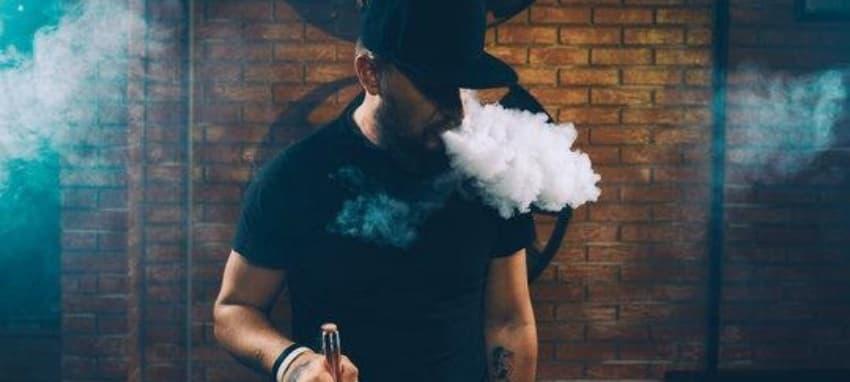
Most peer-reviewed inventories show a high prevalence of PG/VG, frequent detection of nicotine in labeled products, and a broad but trace-level presence of flavoring chemicals. A minority of products demonstrate unusual or potentially risky compositions, which is why consumer vigilance and regulatory oversight remain important.
Communication strategies: why clear language matters
Public communication must balance simplicity and accuracy. Overstating certainty or repeating incomplete claims undermines trust. Instead of headlines that reduce complex chemistry to “water + flavor,” better messaging explains the typical ingredients, the differences across product types, and the behaviors that elevate risk—such as using high-wattage devices with low liquid or buying from unverified sources.
Key messages for different audiences
- For adult smokers: evidence suggests switching can reduce exposure to some smoke toxicants, but device choice and product quality matter.
- For parents and youth: flavored products are attractive, but inhalation risks and nicotine addiction are real concerns.
- For policymakers: focus on product testing, clear labeling, and waste management.
Case studies: when “water-only” claims misled consumers
Regulatory recalls and investigative journalism highlight counterexamples. In multiple markets, authorities seized products claiming simplified ingredient lists that lab tests contradicted. These cases often involved misleading packaging, counterfeit labeling, or illicit production. While such stories amplify suspicion and fuel blanket claims like most e cigarettes contain only water and flavoring, they underscore exactly why the claim should be interrogated rather than accepted.
Bottom line: informed skepticism beats slogans
Summing up: the e-cigarette ecosystem is heterogeneous. Many products are sophisticated blends of PG, VG, nicotine, and flavorings; a smaller number of poorly made cartridges may contain unusual formulations or higher water content. Experts advise precision when discussing composition and caution when evaluating health implications. Repeating a catchy phrase such as most e cigarettes contain only water and flavoring without context risks oversimplifying a layered issue that spans chemistry, engineering, public health, and consumer behavior.
Recommendations in one glance
- Do not assume all devices are the same—check labels and lab reports.
- Recognize that heating changes chemical profiles; the aerosol can differ from the stored liquid.
- Support policies that improve transparency, testing, and waste management.
- When you read a sensational claim, look for the underlying evidence and sample sizes.
Further reading and trustworthy sources
For up-to-date findings consult peer-reviewed journals in toxicology and public-health agencies that track vaping trends. Independent laboratories that publish COAs for commercial products can also help consumers separate reputable brands from dubious ones. Above all, treat sweeping assertions that most e cigarettes contain only water and flavoring as conversation starters rather than final judgments.
 E-Zigaretten myths busted, most e cigarettes contain only water and flavoring and experts weigh in” />
If you want a concise takeaway: look past catchy headlines that reduce complex products to one-line soundbites. Whether discussing E-Zigaretten in German contexts or broader international markets, specificity and evidence remain the best tools for evaluating risk and making consumer choices.
FAQ
Are most e-cigarettes really just water and flavoring?
No. While some low-quality or mislabelled cartridges may be water-heavy, the majority of regulated e-liquids use propylene glycol and vegetable glycerin as carriers and often contain nicotine and a variety of flavoring chemicals; therefore the statement that most e cigarettes contain only water and flavoring is generally inaccurate without context.
Can flavoring agents approved for food be safely inhaled?
Not necessarily. Food-grade status applies to ingestion, not inhalation. Some compounds safe to eat can irritate lung tissue or have different toxicological profiles when aerosolized and heated.
How can I verify what’s in an e-liquid?
Check for third-party lab reports (COAs), review ingredient lists, and buy from reputable retailers. Avoid products without transparent testing or those sold through informal channels.
Do disposables change the chemistry concerns?
Disposable devices can raise additional worries about inconsistent quality control and electronic waste, though the chemical concerns depend on the liquid and device design rather than disposability alone.