
Separating myth from evidence on vaping and cancer
In recent years the conversation about inhaled nicotine delivery systems has shifted from niche hobby to mainstream public-health debate. Many readers searching for clear answers type phrases like do electronic cigarettes give you cancer or simply electronic cigarette into search engines hoping to reconcile headlines with science. This article aims to critically examine what laboratory studies, population research, and expert reviews actually show about long-term cancer risk, and to provide practical guidance for readers who want an evidence-informed perspective rather than fear-driven claims.
Why language matters: terms and scope
First, it’s important to define terms. The phrase electronic cigarette refers to a wide class of battery-powered devices that heat a liquid (commonly called e-liquid) to produce an aerosol. That aerosol typically contains propylene glycol and/or glycerol, flavorings, and nicotine, though some formulations are nicotine-free. When people ask do electronic cigarettes give you cancer, they often conflate several questions: do e-cigarettes contain carcinogens; do they cause cancer in cells or animals in lab studies; and do they cause cancer in people over time? Each question requires a separate look at the evidence.
Key distinctions
- Product heterogeneity: Not all devices and liquids are the same.
- Dose and exposure: Risk relates to what and how much a person inhales repeatedly over years.
- Relative risk vs absolute risk:
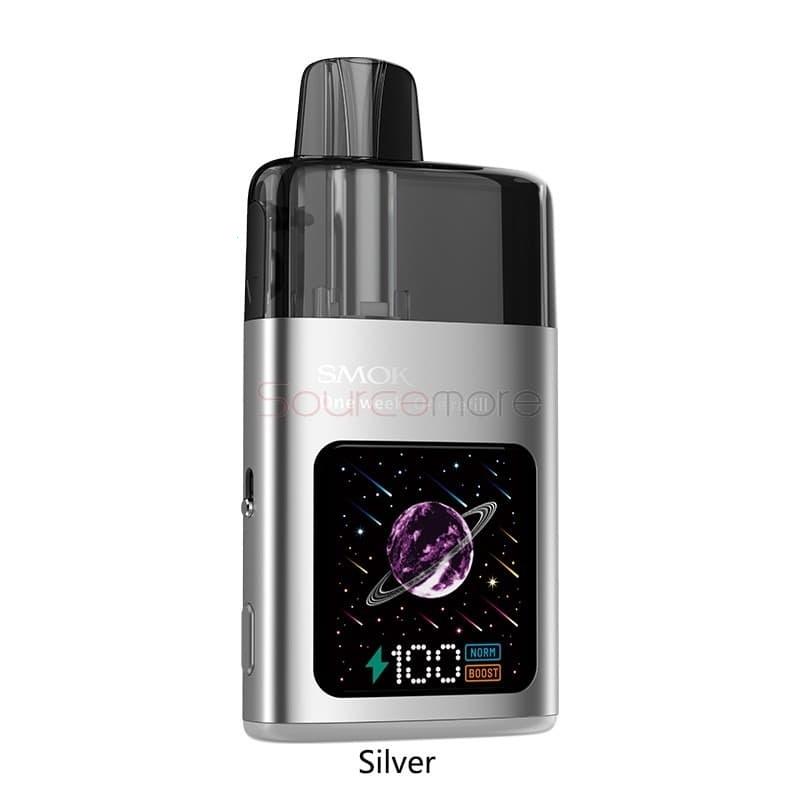 electronic cigarettes give you cancer and what studies really show” /> A product can be less risky than another yet still carry non-zero harm.

What chemical analyses show
Analytical chemistry of aerosols from popular commercial formulations has detected chemicals that are known or suspected carcinogens in some contexts: formaldehyde, acetaldehyde, acrolein, nitrosamines, and certain polycyclic aromatic hydrocarbons (PAHs). However, the concentrations of many of these agents are typically orders of magnitude lower in e-cigarette aerosol compared with tobacco smoke when measured under comparable lab conditions. This is a critical point: chemistry studies often show the presence of potentially harmful compounds but also quantify exposure, which is substantially different from smoking combustion products. In plain language, the aerosols can contain carcinogens but usually at lower concentrations than cigarette smoke.
Cell culture and animal studies
Laboratory studies using cultured cells or animals have sometimes reported genotoxic effects, DNA damage markers, inflammation, or tumor promotion following exposure to e-cigarette vapor or extracts. These studies are valuable for mechanistic insight but have limitations when extrapolating to humans: exposure levels can be much higher than typical human use, and routes/timings may not mimic real-world behavior. A balanced interpretation recognizes that some experimental models show biologically plausible pathways to increased cancer risk, but translating that into what happens in people requires epidemiological data over decades.
Human epidemiology: what long-term studies say
Because modern e-cigarettes are relatively new (widespread use accelerated after 2010), long-term cohort data tracking cancer outcomes for many years are limited. Existing population studies have focused on biomarkers of exposure, respiratory symptoms, and short-term outcomes. Biomarker research typically shows that smokers who switch completely to vaping experience large reductions in biomarkers linked to tobacco-specific carcinogens and combustion products. However, definitive prospective evidence that links exclusive e-cigarette use to increased cancer incidence in humans is not yet established due to insufficient follow-up time and confounding factors such as prior smoking history.
Important nuance about former smokers
Many adult vapers are former smokers. This makes it challenging to separate the residual cancer risk from past tobacco smoking from any additional risk attributable to vaping. Several cohort studies controlling for smoking history suggest that exclusive vapers have lower exposure to known carcinogens than continuing smokers, but longer follow-up is needed to confirm differences in cancer outcomes.
Comparative risk perspective
Public-health agencies often frame harm in comparative terms. The consensus among many tobacco-control experts is that while electronic cigarette aerosols are not harmless, they are likely to be less harmful than combustible cigarettes for individual adult smokers who switch completely. For example, independent reviews have estimated that the relative harm of e-cigarettes compared with smoking is lower, though precise quantification varies and uncertainty remains. Importantly, a lower relative risk does not mean no risk; abstaining from nicotine products altogether is the option with the least harm.
Regulation, product variability, and the role of flavors

Regulatory frameworks affect product safety. Quality control, ingredient disclosure, and limits on contaminants reduce the probability of unexpected toxic exposures. Conversely, unregulated products, counterfeit cartridges, or DIY liquids can carry higher risks. Flavors are another contentious element: some flavoring chemicals are safe to eat but not necessarily safe to inhale long-term. Research on inhalation toxicology for many flavor compounds is incomplete, so responsible regulation and conservative manufacturing practices matter.
Key studies and reviews that shaped current understanding
Several institutions have reviewed the evidence: national health agencies, independent public-health bodies, and peer-reviewed meta-analyses. Recurrent findings include (a) measurable but typically lower levels of many known tobacco-related toxicants in e-cigarette aerosol versus cigarette smoke, (b) reductions in biomarker levels among smokers who switch to exclusive vaping, and (c) limited direct human data linking exclusive e-cigarette use to increased cancer incidence because of the short time since widespread adoption. Collectively, these studies support cautious optimism about harm reduction while urging continued surveillance.
Practical guidance for readers asking “do electronic cigarettes give you cancer”
The short, nuanced answer is: current evidence suggests do electronic cigarettes give you cancer is not a simple yes-or-no question. The best-supported conclusions right now are:
- If you never smoked, initiating vaping exposes you to unnecessary chemicals and potential long-term risks; avoiding nicotine and inhalation products is the safest path.
- For adult smokers who cannot quit with evidence-based methods (counseling, approved pharmacotherapies), switching completely to vaping is likely to reduce exposure to many carcinogens compared with continuing combustible cigarettes, which could lower long-term cancer risk.
- Partial switching or dual use (smoking and vaping) is unlikely to confer the same reductions in risk as complete switching.
How clinicians and public health professionals interpret the evidence
Clinicians weigh individual patient history, comorbidities, and smoking status. For a heavy smoker with failed cessation attempts, many clinicians view switching to regulated e-cigarette products as a potential harm-reduction strategy while encouraging eventual nicotine cessation. Public health officials often face a balancing act: promoting reduced-risk options for adult smokers while preventing youth uptake. This has led to policy measures focused on age restrictions, advertising limits, and product standards.
Open questions and research priorities
Scientists identify several priorities to settle uncertainties: long-term cohort studies tracking exclusive vapers without prior smoking; rigorous inhalation toxicology for diverse flavoring agents; surveillance for rare or delayed adverse outcomes; and comparative effectiveness trials of cessation strategies. Because cancer development often spans decades, the clearest evidence about cancer risk may take time to accumulate.
Actionable takeaways for web readers
For people searching the web with queries like electronic cigarette or typing the exact question do electronic cigarettes give you cancer, here are concise, evidence-aligned points:
- Do not assume “less harmful” equals “safe.”
- If you never smoked, the best choice is not to start vaping.
- If you currently smoke and cannot quit, switching completely to regulated e-cigarettes may reduce exposure to many carcinogens compared with continued smoking.
- Aim for complete cessation of all tobacco and nicotine products when possible.
- Use products from reputable manufacturers and seek clinical support for cessation if needed.
How to evaluate new claims you encounter online
When reading headlines, check whether the report is based on animal or cell studies, population data, or chemical analysis. Headlines that assert definitive cancer causation from vaping often overstate preliminary findings. Prioritize systematic reviews and statements from reputable health organizations for balanced interpretation. Also consider conflicts of interest and the quality of the journal or institution reporting the finding.
Balanced perspective: The available science to date points to lower concentrations of many combustion-related carcinogens in e-cigarette aerosol compared with cigarette smoke, but meaningful uncertainties remain about long-term cancer risk, especially for never-smokers and for certain flavoring chemicals.
Frequently asked questions
Below are common questions with concise answers based on current evidence.
FAQ
- Q: If e-cigarettes have lower levels of carcinogens, why aren’t they called “safe”?
- A: Lower levels reduce risk but do not eliminate exposure; many chemicals found in aerosols are associated with harm in other contexts, and long-term outcomes require decades of observation to be certain.
- Q: Can vaping cause lung cancer faster than smoking?
- A: There is no evidence that vaping accelerates lung cancer development compared to smoking. Most studies suggest lower exposures, but long-term comparative cancer incidence data are not yet available.
- Q: Are counterfeit or unregulated products more dangerous?

- A: Yes. Products without quality control can contain contaminants or unexpectedly high concentrations of toxicants; regulation and transparency reduce this risk.