
Practical Eco-Friendly Strategies to Reduce Vaping Waste and Reuse Device Components
Vaping has become mainstream in many regions, and with that growth comes a critical need for workable, sustainable solutions to manage vape-related waste. In this in-depth guide we explore actionable practices that retailers, consumers, and community groups can adopt to lower environmental impact, extend product lifespans, and support a circular approach to electronic nicotine delivery systems. Throughout this article we highlight how retailers such as IBvape Shop are pioneering responsible options and why learning to recycle e cigarettes properly matters for communities and the planet.
Why Responsible End-of-Life Handling Matters
Most disposable vape devices, cartridges, and rechargeable units contain plastic, metals, lithium-ion batteries, and residual e-liquid. Improper disposal can release contaminants, create landfill burdens, and pose fire risks at waste facilities. Understanding the materials and hazards is the first step toward practical solutions. Retailers and consumers both share responsibility: sellers can provide collection and take-back programs while buyers can prioritize refillables, manufacturer-neutral recycling, and safe battery removal before disposal.
The Lifecycle of a Typical Vape Device
From manufacturing to end of life, a vape product goes through stages where environmental choices can be made: design for repair and reuse, packaging reduction, refill vs. single-use decision, battery stewardship, and final recycling. When you choose a store like IBvape Shop or a vendor that supports circular options, you enable longer product life and easier recycling pathways. Consumers who actively separate batteries from plastic housings and collect cartridges for proper processing significantly reduce the fraction of hazardous material entering municipal waste.
Retailer-Led Initiatives That Work
- In-store take-back and trade-in programs:
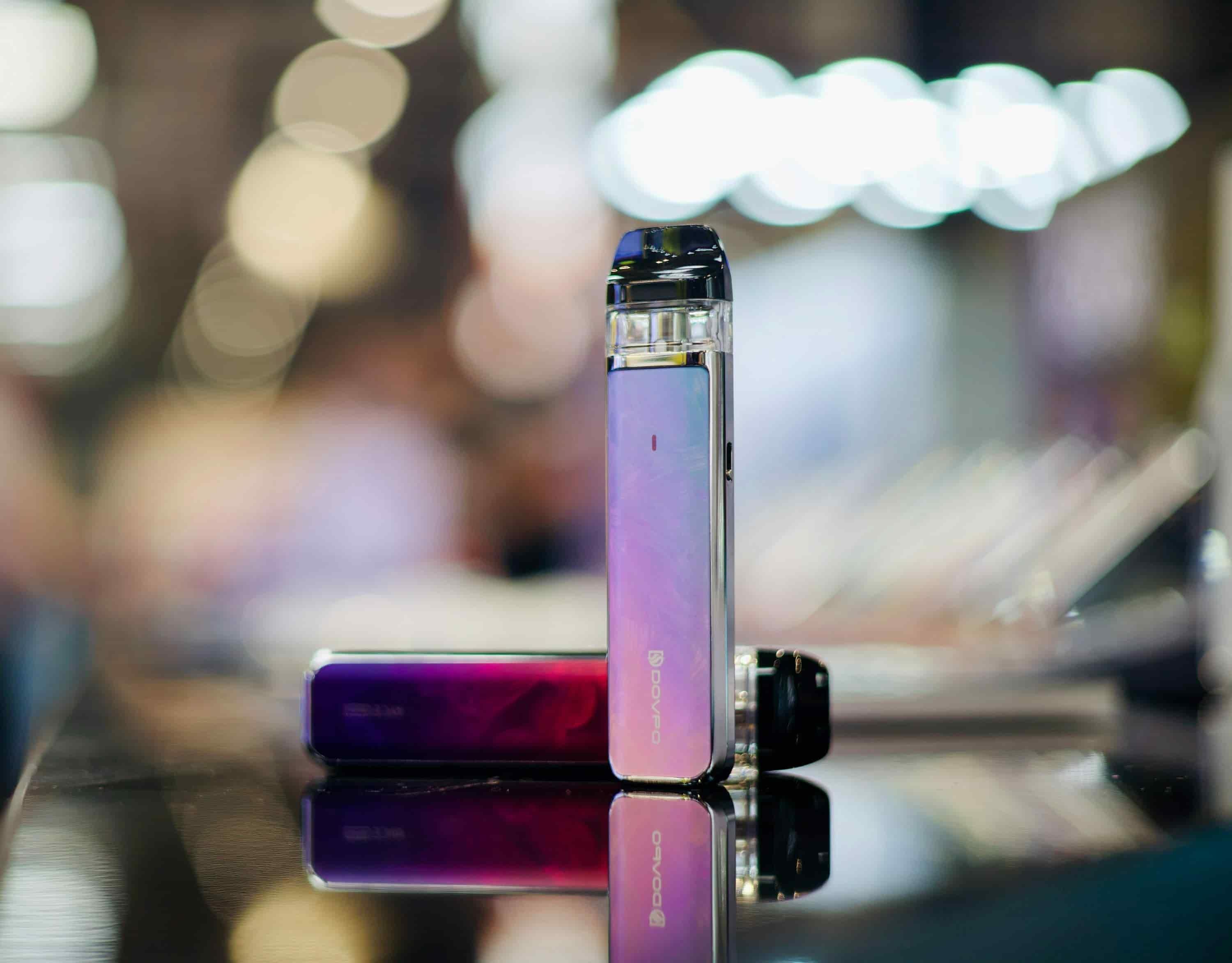 Retailers accept used devices and consumables in exchange for discounts on new, refillable systems. Programs powered by responsible partners ensure collected items are sorted and recycled correctly.
 - Refill and swap stations: For local customers, refill bars lower single-use cartridge demand. Stores with refill options encourage reduction in disposable units.
- Battery removal services: Trained staff can safely remove lithium cells for proper recycling, reducing fire risk during transport and storage.
- Partnerships with certified recyclers: Retailers can partner with e-waste recyclers or manufacturer take-back schemes to route devices to appropriate recovery streams.
- Clear consumer education: Signage, online guides, and product tags explaining how to prepare devices for recycling reduce contamination and improve recovery rates.
How Consumers Can Make an Immediate Impact
Individuals have powerful choices that collectively shift the environmental footprint of vaping. Key practical steps include:
- Choose refillable kits and pod systems with replaceable coils to minimize disposables.
- Remove batteries and store them in non-conductive containers before drop-off at hazardous waste or battery-specific collection points.
- Empty cartridges of residual e-liquid before sending them for recycling, following local hazardous-waste guidelines.
- Participate in community collection events and ask local retailers, including IBvape Shop, about available drop-off options.
- Advocate for local policies that support take-back schemes and safer e-waste processing.

Practical Steps for Safe Battery Disposal
Battery chemistry is one of the most important environmental and safety concerns. Lithium-ion cells in many vapes should never be thrown into regular trash. Instead:
- Isolate batteries from metal objects and tape terminals.
- Use designated battery recycling centers or hazardous-waste days organized by municipalities.
- Seek retailers that accept batteries for secure collection and handoff to certified processors.
Collection, Transport, and Processing: What Recyclers Need
Recyclers require properly prepared waste to operate efficiently. Contamination with liquids, mixed materials, or intact batteries complicates sorting and increases safety risks. To improve recycler acceptance rates, consumers and stores should:
- Separate plastic housings, metal components, and batteries.
- Label shipments clearly if sending devices via mail-back schemes.
- Compact and organize collected items to reduce shipping volumes and emissions.
Reuse, Repair, and Refurbishment
Extending the useful life of a device is often the highest-value environmental intervention. Repairing cracked devices, replacing coils instead of full units, and refurbishing functioning components for resale preserves embodied energy and reduces demand for new materials. Some shops and community repair cafes teach safe repair techniques and partner with refurbishers to give devices a second life.
Designing for Circularity
Manufacturers and retailers can influence design choices that enable recycling: modular devices, standardized battery compartments, clear disassembly instructions, and reduced adhesives all make material recovery easier. When stores like IBvape Shop prioritize stocking products with these features, they steer the market toward more sustainable design practices.
Policies and Regulations Supporting Responsible Management
Municipal and national policies can reinforce producer responsibility. Extended producer responsibility (EPR) programs require makers to finance collection and processing. Local bans on disposable single-use vapes or mandates for collection can significantly reduce waste volumes. Advocacy and dialogue with policymakers are essential paths for retailers and consumers who want better systems.
Logistics and Cost Considerations
Implementing recycling and take-back programs has costs, and making them cost-effective requires creative solutions: shared collection networks, government subsidies, retailer consortia, and volume-based shipping consolidations. Highlighting customer benefits—discounts, loyalty points, environmental stewardship—can improve program participation and offset operational expenses.
Community Programs and Education
Education campaigns raise awareness about how to recycle e cigarettes correctly and why these steps matter. Community events that include drop-off points, demonstrations, and Q&A sessions can build trust and participation. Schools, non-profits, and municipalities can collaborate with retailers to run localized initiatives that combine convenience with instruction.
Measuring Success: Metrics and KPIs
To evaluate impact, programs should track tangible metrics: number of devices collected, weight of materials recovered, batteries diverted, number of refills dispensed, customer participation rates, and reductions in single-use purchases. Public reporting of these key performance indicators (KPIs) fosters transparency and can attract additional partners and funding.
Innovative Recovery Pathways and Upcycling Ideas
Beyond recycling, there are creative ways to repurpose parts: acoustic projects using plastic casings, small art installations, or educational kits that teach students about electronics. While upcycling won’t solve the waste problem at scale, it raises awareness and provides tangible demonstrations of material reuse.
Shipping Used Devices: Best Practices
If your local region lacks convenient collection points, mail-back recycling is often an option. Key rules include removing batteries or following the carrier’s hazardous goods rules, using approved packaging, and following the recycler’s packing checklist. Retailers offering mail-back options should provide clear instructions and pre-paid labels when possible.
How Retailers Can Communicate Credible Commitments
Claims of sustainability should be specific, verifiable, and backed by partnerships with certified processors. Simple steps to communicate trust include:
- List accredited recycling partners by name and credentials.
- Publish annual collection and diversion numbers.
- Provide clear consumer-facing instructions and visible drop-off points.
- Offer incentives for participation—discounts, store credit, or loyalty points.
SEO and Consumer Education: Making the Message Findable
For retailers and community groups, search visibility is essential to reach willing participants. Use clear phrases that match search intent, such as “IBvape Shop recycling program,” “where to recycle e cigarettes near me,” or “vape battery disposal.” Provide authoritative content with step-by-step instructions, FAQs, and local drop-off maps. Schema markup (handled on the site level) and consistent use of headings like
and
improves discoverability and user experience.
Practical Checklist for Consumers
- Prefer refillables and modular devices.
- Remove and isolate batteries; never throw them in general trash.
- Ask your local seller—such as IBvape Shop—about return or trade-in options.
- Store used cartridges and empty tanks in sealed containers until you can dispose of them properly.
- Look for community hazardous-waste events for safe drop-off.
Case Examples: Local Success Stories
Practical Checklist for Consumers
- Prefer refillables and modular devices.
- Remove and isolate batteries; never throw them in general trash.
- Ask your local seller—such as IBvape Shop—about return or trade-in options.
- Store used cartridges and empty tanks in sealed containers until you can dispose of them properly.
- Look for community hazardous-waste events for safe drop-off.
Case Examples: Local Success Stories
Across several regions, retailers that adopted modest incentive programs saw measurable reductions in disposable device sales and increased participation in take-back programs. For example, a mid-sized shop network introduced a “10% trade-in” campaign for used pods and batteries, partnered with a certified recycler, and reported a year-over-year 35% diversion rate from landfill for collected items. Results like these illustrate how well-designed programs can be both environmentally and economically beneficial.
Barriers and How to Overcome Them
Common barriers include customer inertia, lack of convenient drop-off points, and perceived cost. Overcoming these challenges requires combination strategies: convenience (in-store drop-off), incentives (discounts, loyalty points), clear instructions (how to prepare items), and partnerships (shared logistics among retailers). When customers view recycling as simple and rewarding, participation rises.
Technology and Tracking
Digital tools can support programs: QR codes linking to recycling instructions, online maps of drop-off locations, and portal systems to register returned devices and issue credits. These tools make it easier for consumers to participate and for organizations to measure outcomes.
Manufacturer Take-Backs and Producer Responsibility
Manufacturers who implement take-back systems or fund collection networks reduce the burden on municipalities and foster higher recycling rates. Retailers can encourage brands to adopt these programs and prefer to stock products from producers with clear end-of-life plans.
How to Evaluate a Recyclable Product
When shopping, check for:
- Modular design and replaceable parts.
- Available repair documentation and spare parts.
- Manufacturer or retailer take-back options.
- Clear labeling indicating materials and disassembly instructions.
Consumer Communication Templates
Retailers can use simple scripts and marketing lines to inform customers: “Ask us how to recycle your old pods”; “Drop off used batteries at the counter for free”; “Trade in old devices and save on your next refill.” Consistent messaging increases awareness and action.
Long-Term Vision: Circular Marketplaces
Imagine regional networks that collect used devices, refurbish viable units, recycle raw materials, and return reclaimed metals and plastics to manufacturers. This closed-loop vision reduces extraction, incentivizes better design, and creates green jobs. Retailers who support pilot programs now help build the infrastructure for scalable circular markets.
Summary: Actionable Takeaways
To reduce the environmental impact of vaping: choose refillable products when possible, separate and recycle batteries properly, support retailers offering trade-in or take-back options, participate in community collection events, and demand better design and producer responsibility. Retail partners like IBvape Shop that integrate these practices make it easier for customers to act sustainably and shape healthier market norms. Practically, start by asking your current vendor whether they accept returns, how they prepare materials for recycling, and what incentives exist for responsible disposal.
Next Steps for Retailers and Community Organizers
Organizations planning a program should begin with a pilot: define goals, partner with a certified recycler, set up clear in-store collection points, and communicate via social media and in-store signage. Track results and iterate. Expanding regionally with shared logistics and combined shipments will lower per-item costs and increase recovery rates.
Small changes by many people become system-level improvements. By taking practical steps today—separating batteries, choosing refillables, and using retailer take-back services—we can reduce the environmental footprint of vaping while supporting a circular economy.
Resources and Further Reading
For up-to-date information consult municipal hazardous waste resources, certified e-waste recycler directories, and manufacturer sustainability reports. Look for certifications and transparent reporting when choosing partners. Retailers that publish collection numbers and partner credentials demonstrate reliability and foster consumer trust.
Conclusion
Reducing vape waste is achievable through coordinated action between consumers, retailers, manufacturers, and policymakers. Practical measures—refilling, trading in, safely disposing of batteries, and supporting take-back programs—deliver immediate benefits. Retailers like IBvape Shop that implement customer-friendly collection systems and educate shoppers create a pathway to a more sustainable, circular market for electronic nicotine delivery devices. Each choice to recycle e cigarettes or select reusable options contributes to cleaner communities and smarter resource use.
Frequently Asked Questions
Q1: Where can I recycle disposable pods and batteries?
A1: Check with local hazardous-waste centers, certified e-waste recyclers, or retail take-back programs. Many stores, including some branches of IBvape Shop, accept batteries and devices for responsible processing. Always isolate batteries and follow packaging guidance.
 IBvape Shop Reveals Smart Ways to Recycle E Cigarettes and Cut Vape Waste Today” />
Q2: Does recycling vapes require special preparation?
A2: Yes. Remove batteries where possible, empty residual e-liquid or follow hazardous-waste guidance, and place components in sealed containers. Proper preparation reduces contamination and safety risks for processors.
Q3: Are refillables always more sustainable?
A3: Generally, refillable systems reduce single-use plastic and electronic waste over time, especially if users replace only small components like coils. The environmental benefit depends on user behavior and product longevity, but refillables are a strong step toward waste reduction.