
Smart Packing and Safe Habits for Vapers Traveling by Air
Whether you’re a regular commuter or planning long-distance journeys, organizing your vaping kit with attention to airline restrictions and practical travel essentials makes trips smoother. This guide focuses on responsible preparation, legal awareness, and practical tips for those who use E-Zigaretten or need clarity about e cigarette rules on airplanes. The content below emphasizes packing strategies, battery safety, containment of liquids, and tips for avoiding common pitfalls when navigating airport security and inflight policies.
Why preparation matters for E-Zigaretten users
Traveling with vaping equipment is fundamentally different from carrying typical personal items. Batteries, chargers, and e-liquid regulations vary by carrier and country, so understanding the basics helps avoid confiscation, fines, or delays. Many flyers underestimate how strict some security lines can be about both devices and consumables, and compliance with the E-Zigaretten transport rules is the fastest way to a smooth screening experience. For non-German speakers, the term E-Zigaretten simply designates electronic nicotine or non-nicotine inhalation devices, which are widely addressed in policies listed as e cigarette rules on airplanes across airlines and official aviation authorities.
Packing checklist: Essentials for safe airline travel with vape gear
- Device cases and protective covers: Keep at least one rigid protective case specifically sized for your device to prevent accidental activation and damage during handling.
- Battery management: Carry spare batteries in a dedicated battery pouch with insulating caps or original packaging. Avoid loose batteries in checked luggage.
- Chargers and adaptors: Bring only the necessary chargers and a travel adapter that meets the destination’s plug type. Never pack power banks in checked baggage.
- Liquid containment: E-liquids generally fall under liquid rules. Use leakproof travel bottles for refill containers and keep them in a clear resealable bag for security checks.
- Documentation: Have receipts, product manuals, or manufacturer labels available to help clarify unfamiliar items during screenings.
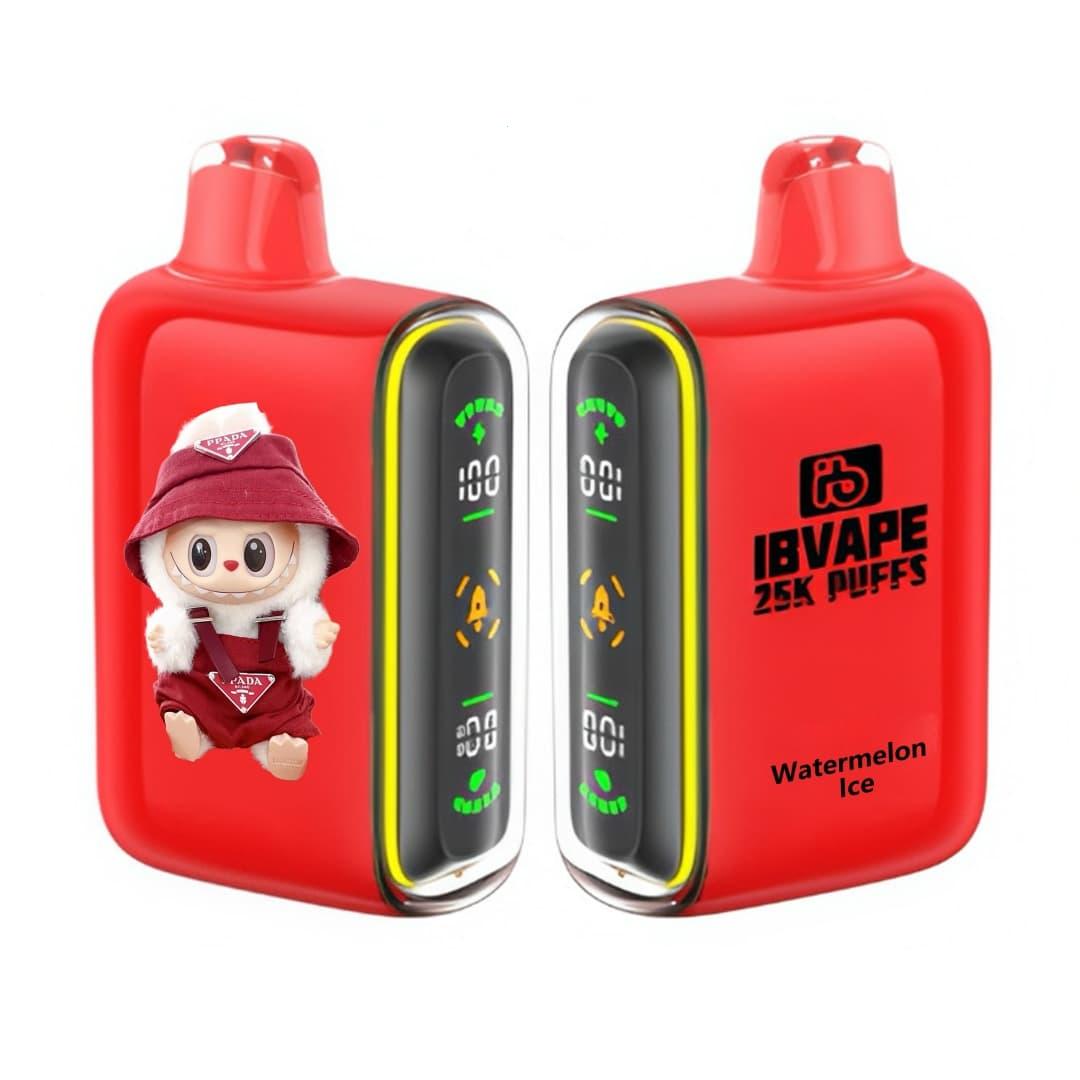
- Disposable backups: Consider disposables for short trips when navigating strict international rules, as they are often easier to carry and replace if confiscated.
Battery safety: a non-negotiable travel priority
Most incidents involving electronic devices in air transport relate to lithium batteries. View battery safety as the central rule when preparing any E-Zigaretten. Airlines and aviation regulators typically mandate that spare lithium batteries and power banks be transported in carry-on baggage only. This reduces the risk associated with heat buildup or fire in the uncontrolled environment of the cargo hold. Insulate battery terminals and carry them in protective cases to minimize short circuits. If a device uses an integrated battery, ensure it cannot be accidentally activated while stowed—use a safety lock or remove the tank where possible.
Battery tips at a glance
- Keep battery capacity within airline limits (check mAh and watt-hour ratings).
- Pack batteries in carry-on luggage, with terminal covers or original packaging.
- Never check power banks in hold baggage; they belong in the cabin.
- Know airline-specific watt-hour restrictions and declare oversized batteries if required.
Liquid regulations and best practices
Flights typically adhere to the same liquid restrictions for e-liquids as other carry-on liquids: standard limitations like containers of 100 ml/3.4 oz or less in a single transparent bag in many jurisdictions. That said, rules can vary internationally, and some countries apply additional constraints on nicotine-containing solutions. If you carry multiple small bottles, organize them in a dedicated clear pouch for quick access during security checks. Labeling helps—if the e cigarette rules on airplanes differ by jurisdiction, clear labeling can expedite inspection and reduce confusion.
Security screening: how to present your vaping kit
Proactively present your vaping gear when approaching the security station. Place devices, batteries, and liquid pouches in an accessible compartment to prevent fumbling that may raise suspicion. Some security officers may request to see devices powered off; remove any casings and be ready to show the e-liquid labels. Having a manufacturer manual or a printed product description can be helpful if you encounter unfamiliar staff. Remember, concealment of vaping equipment increases the chance of confiscation; transparency encourages a cooperative resolution.
In-flight behavior and etiquette
Most airlines strictly prohibit vaping onboard. Even if a plane lacks prominent smoke detectors for vapor, rules treating e-cigarette use as smoking remain widespread. Attempting to vape in lavatories or cabin areas can lead to fines, removal from the flight, or potential legal action. Consider nicotine gum, patches, or prescription alternatives if you expect strong cravings, and plan to manage withdrawal during flight time. Respect staff instructions and signage: compliance avoids fines and unpleasant confrontations with crew or fellow passengers.
Cross-border travel: researching local laws and customs
Regulatory landscapes change rapidly. Several countries have outright bans on certain devices or ingredients, while others require declarations or limit nicotine concentrations. Before departure, check official government travel advisories and airline policies for both your departure and arrival countries. Forums and community resources help but rely on government sites and airline notices for final authority. When planning routes with layovers, verify policies for transit airports, since even a short stop in a restrictive jurisdiction might present challenges for carrying E-Zigaretten or e-liquid containers.
Key research checklist
- Review airline-specific regulations on the carrier’s official website.
- Search civil aviation authority notices in the origin and destination countries.
- Confirm local laws on nicotine concentration limits and device types.
- Investigate penalties for non-compliance and whether prior declaration is required.
Practical tips for long journeys and layovers

On long travel days, plan for convenience and compliance. Pre-fill small bottles to comply with carry-on rules, but avoid filling directly from large bottles in public areas to reduce spillage risk. Carry spare mouthpieces and an extra atomizer if replacements are needed en route. For overnight layovers, research whether hotels permit vaping in rooms to avoid unexpected fines or the need to purchase more expensive local supplies.
What to do if your gear is confiscated
Confiscations can happen, particularly with international travel. If an item is seized, request a receipt or declaration from the security authority when possible. Document the interaction, remain courteous, and ask whether items can be reclaimed later. If a charge or fine is issued, request official documentation to contest it through appropriate channels after travel. Keeping purchase documentation and serial numbers can be helpful for replacements or insurance claims.
Healthy alternatives and strategies for managing nicotine cravings
Consider nicotine replacement therapy options like patches, gum, or lozenges when flying. They are low-risk, discreet, and accepted broadly by airlines and airports. Behavioral strategies include distraction techniques, hydration, and planning short walks during layovers. Discuss options with your healthcare provider if you have concerns about withdrawal or managing nicotine dependence during travel.
Choosing travel-friendly devices
Not all devices are equally suited for travel. Smaller, less powerful devices with sealed cartridges often comply more easily with international constraints and are easier to pack. Disposable e-cigarettes can be a pragmatic option for short trips or places with strict import rules, but be mindful of environmental impact and local disposal rules. Larger mods with loose batteries carry additional scrutiny and should be avoided unless necessary for medical reasons or if you plan to check them and confirm the airline’s allowance.
How to communicate with airline staff
Clear, polite communication goes a long way. If asked about the purpose of items, state plainly that you carry an electronic nicotine delivery device and associated e-liquids. Mention that spare batteries are for personal devices and that you understand airline safety rules. This demonstrates cooperation and awareness of e cigarette rules on airplanes, often encouraging staff to be helpful rather than punitive.
Sample pre-flight checklist for carry-on
- Device(s) powered off and in a protective case.
- Spare batteries in insulated pouch within carry-on.
- E-liquids in containers ≤100 ml placed in clear resealable bag where required.
- Charger and essential tools in an accessible pocket.
- Important documentation (manuals, receipts) in quick reach.
- Travel-friendly nicotine replacements if you plan to abstain during flight.
Environmental and disposal considerations
Responsible vapers consider disposal rules at destination locations. Many airports offer battery or electronic waste collection, but this varies widely. Never dispose of batteries or devices in general trash where prohibited—this risks environmental harm and regulatory violations. Research local recycling streams or bring items back home for proper disposal.
Summary of best practices
To recap: assume batteries and power banks must remain in carry-on; keep e-liquids in compliant containers and readily accessible; power devices off and secure them; understand destination and airline-specific rules; and opt for discreet solutions when crossing varied regulatory environments. Using these strategies decreases hiccups and focuses on safety and compliance rather than confrontation or confiscation.
Optimizing your search terms and staying informed

When researching policies, use precise search terms that combine device-specific words with airline and country names—for example, search queries like “E-Zigaretten airline policy [airline name]” or “official e cigarette rules on airplanes [country]” to find authoritative notices. Bookmark official civil aviation authority pages and the airline’s restricted items list before travel for quick checks.
Real-world scenarios and quick responses
Scenario: security flags a device for inspection. Response: remain calm, present documentation, disassemble if asked, and indicate compliance with carry-on rules. Scenario: a layover in a country with strict import controls. Response: opt for disposables before arriving or store items in checked luggage only if airline permits and items meet checked-baggage restrictions. Scenario: device overheats. Response: notify crew immediately if inflight or, if on the ground, move the device to a non-combustible surface away from flammable materials and seek assistance.
Legal nuances: nicotine vs. nicotine-free liquids

Some nations regulate nicotine-containing liquids more tightly than nicotine-free e-liquids. If traveling internationally, check both content and concentration limits. In a few jurisdictions, importing nicotine e-liquids requires prescriptions or specific labeling. Avoid assuming uniform rules—divergences are common and can affect whether your kit is permitted.
Final preparation checklist
- Confirm airline policy and arrive early for additional screening time if needed.
- Power down devices, store batteries safely, and organize liquids.
- Pack spares and document purchases for quick verification.
- Have alternatives ready for in-flight nicotine management.
- Respect crew instructions and local regulations at all times.
Following these guidelines reduces the risk of disruptions and ensures you travel responsibly with your vaping equipment. Prioritize safety, obey regulations, and plan for contingencies to keep the focus on your journey rather than device complications. Remember that both E-Zigaretten and the phrase e cigarette rules on airplanes are central to your travel research; using them in searches will surface relevant airline and governmental advisories to consult before each trip.
FAQ
Can I carry spare e-cigarette batteries in checked luggage?
No. Most carriers and aviation authorities require spare lithium batteries and power banks to be carried in the cabin only. Pack them in protective cases and keep them accessible in your carry-on.
Are e-liquids treated like other liquids at security checks?
Generally yes: e-liquids typically fall under standard carry-on liquid rules such as 100 ml/3.4 oz limits in many regions, but local and airline exceptions can apply, especially for nicotine-containing solutions—always verify in advance.
What should I do if an airport or airline confiscates my device?
Remain polite, request a receipt or confiscation form when possible, document the interaction, and consult the airline or airport authority for appeals or clarification after you leave the airport.