
Examining the Composition of E-Cigarettes
E-cigarettes function by heating a liquid—commonly referred to as ‘e-liquid’ or ‘vape juice’—which typically contains nicotine, flavorings, and other chemicals. Upon inhalation, users absorb an aerosol containing these ingredients. While e-cigarettes do not produce tar or many of the carcinogens found in combusted tobacco, their contents are not entirely benign. Nicotine, the primary addictive substance in both forms, continues to fuel dependency, raising concerns about the true safety of vaping.
Comparing Health Impacts: Vaping vs Smoking
Are e cigarettes a safe alternative to smoking, or is this simply a marketing myth? Scientific reviews suggest e-cigarettes expose users to fewer toxic substances than conventional cigarettes. For instance, public health bodies, such as Public Health England, have estimated that vaping is approximately 95% less harmful than smoking. However, this does not equate to being ‘safe.’ E-cigarette aerosols can contain potentially harmful chemicals, including volatile organic compounds, heavy metals like nickel and lead, and flavoring agents linked to lung damage. The long-term health consequences of these exposures remain unclear, as widespread use is a phenomenon of the last decade.
Addressing Common Misconceptions
One major misconception is that vaping poses no health risks. In truth, evidence links vaping to increased risks of respiratory and cardiovascular issues. Popcorn lung (bronchiolitis obliterans), though rare, has been associated with inhalation of diacetyl, a flavoring chemical found in some e-liquids. Vaping can also cause throat and mouth irritation and may impede lung function over time.  Moreover, despite its promotion as a smoking cessation aid, a significant number of users continue to use both products concurrently, undermining the potential benefits.
The Gateway Effect: Vaping Among Youth
An alarming fact is the growing trend of vaping among non-smoking teens and young adults. Research indicates that adolescents who vape are more likely to start smoking cigarettes later, hinting at a gateway effect rather than a pure harm reduction strategy. This threatens to reverse successes achieved through smoking prevention campaigns over decades.
Regulations and Product Safety
The regulation of e-cigarettes is still evolving. Products vary widely in quality, ingredients, and nicotine concentration. While some regions require rigorous testing and transparent labeling, others lack consistent oversight, increasing user risk. EVALI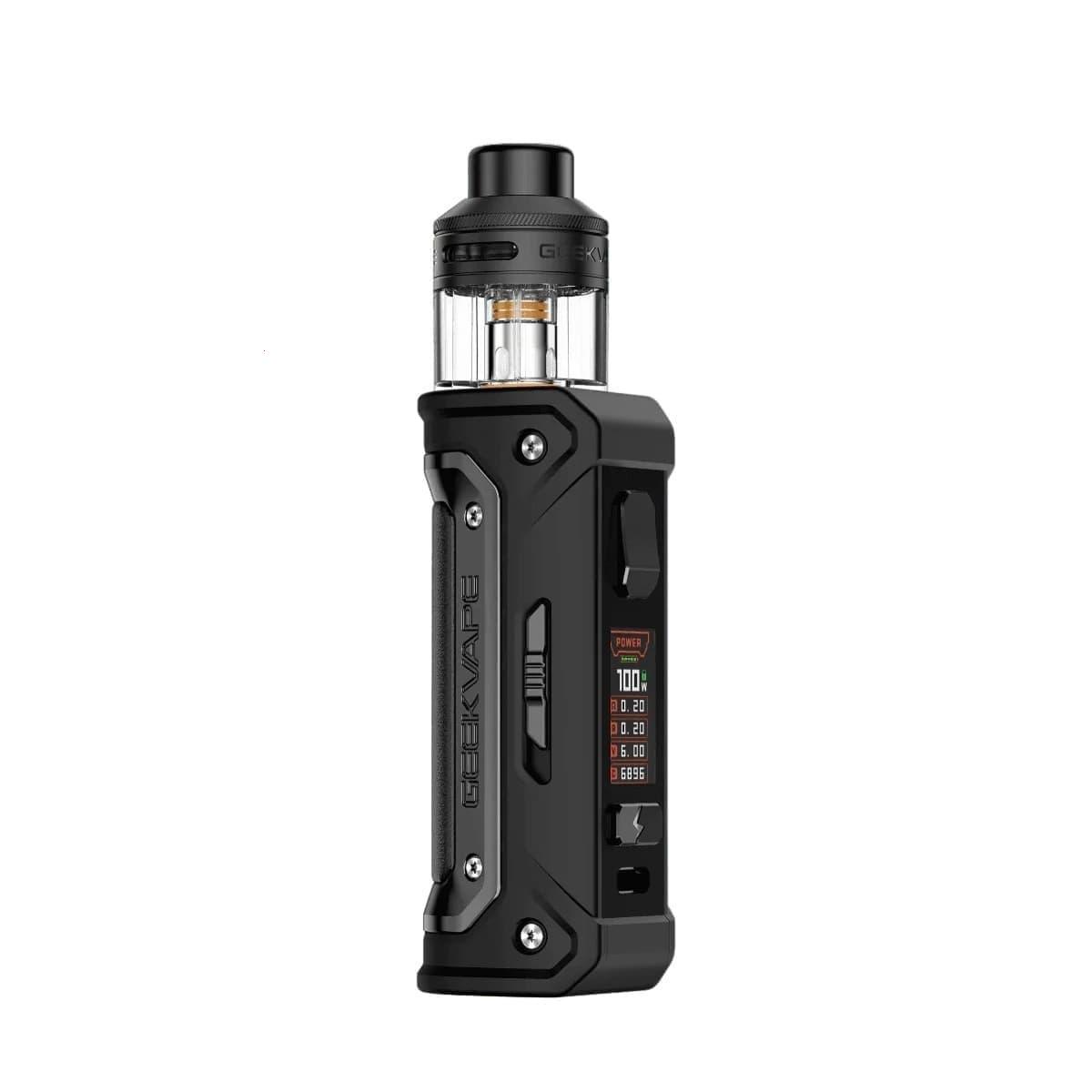 (E-cigarette or Vaping product use-Associated Lung Injury) outbreaks highlight the dangers of illicit or poorly manufactured vape products, with dozens of fatalities and thousands hospitalized worldwide.
Vaping vs Smoking: Addiction and Dependency
Both methods can perpetuate nicotine addiction. E-cigarettes, designed to mimic the act of smoking, may make quitting harder for some, not easier. While they help certain adults transition away from combustible tobacco, ongoing use can maintain dependency or even facilitate dual habits.
It’s important to remember that “safer” does not mean “safe.”

Most experts agree that smokers unable to quit should consider switching to vaping—but only as a temporary step, under medical guidance, and with the intention of becoming nicotine-free. Non-smokers and youth should never start vaping, as it introduces unnecessary health risks and potential addiction. Large-scale studies are underway to determine the full health impact of long-term e-cigarette use.
Conclusion: Is Vaping a Safe Solution?
To revisit the question—are e cigarettes a safe alternative to smoking? The evidence suggests vaping is less harmful for smokers but should not be considered safe. The optimal choice for health remains avoiding both practices entirely.
- Vaping eliminates many toxins found in smoke but introduces new risks.
- Nicotine addiction persists, and its effects on heart and brain health are well documented.
- Unknown long-term impacts call for caution and regulatory vigilance.
Frequently Asked Questions
- Q: Can vaping help me quit smoking?
- A: Studies show some smokers successfully quit through e-cigarettes, but sustained non-nicotine use and behavioral support work best.
- Q: Are e-cigarettes absolutely safe to use?
- A: No. They are less harmful than smoking, but can still pose health risks, especially for non-smokers and youth.
- Q: Is secondhand vapor safer than secondhand smoke?
- A: Secondhand vapor contains less toxins, but still has nicotine and other harmful chemicals. Caution is advised, particularly around children.
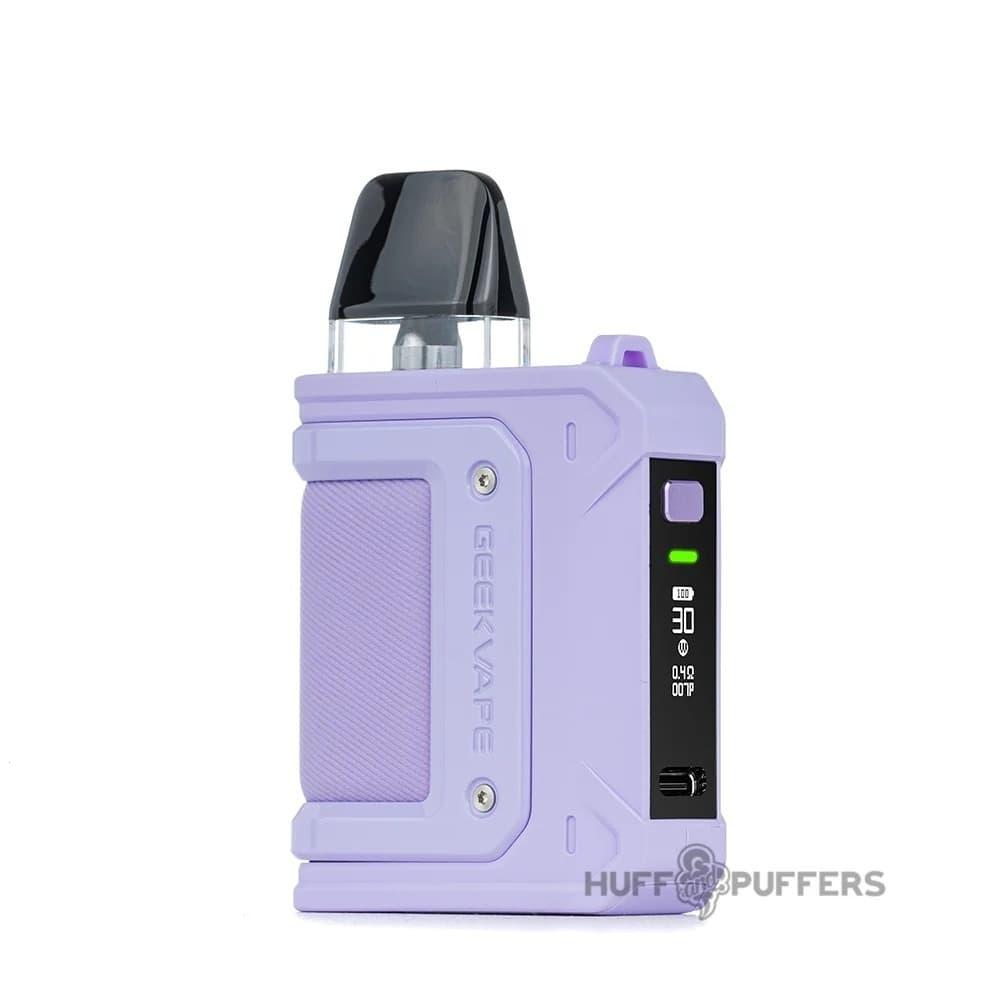
For those considering alternatives to cigarettes, consult health professionals and use only regulated products while prioritizing complete cessation whenever possible.