
If you’re pondering whether you can take electronic cigarettes on a plane, you’re not alone. Many travelers who enjoy vaping want to ensure that their e-cigarettes, e-liquids, and related accessories comply with airline and airport regulations. This comprehensive guide provides valuable insights into the dos and don’ts of flying with e-cigarettes, optimizing your travel experience while adhering to the rules.
Understanding Airline Regulations
E-cigarette regulations can vary significantly between airlines and regions. Therefore, before booking your flight, take time to review the specific guidelines of the airline you’ll be flying with. Generally, most airlines allow passengers to bring e-cigarettes in carry-on luggage, but restrictions apply on their use. Always ensure the devices are turned off during the flight.
Packing Your E-Cigarettes and Liquids

To comply with security measures, pack your e-cigarettes in a manner similar to other electronics. Keep them in your carry-on rather than checked baggage, as lithium batteries pose a fire risk when stored in the cargo hold. Additionally, e-liquids must adhere to the 3-1-1 liquids rule dictated by the TSA: containers must be 3.4 ounces (100 milliliters) or smaller, all stored within a single quart-sized zip-top bag.
Traveling Internationally
When traveling internationally, familiarize yourself with the vaping laws of your destination. Some countries have strict regulations or even outright bans on e-cigarettes. For instance, countries like Thailand, India, and Singapore have stringent prohibitions on vaping products. Violating these laws can result in hefty fines or legal consequences. Thus, it’s crucial to check local regulations well in advance.
Using E-Cigarettes at Airports and In-Flight
Most airports have designated smoking areas where vaping may be permissible. It’s essential to locate these areas if you need to vape before your flight. Once on board, remember that vaping is prohibited just like smoking traditional cigarettes. Non-compliance can result in penalties from the airline, including potential fines or being banned from future flights. To avoid any mishaps, always follow crew instructions regarding the use of electronic devices.
Selecting Travel-Friendly Vape Devices
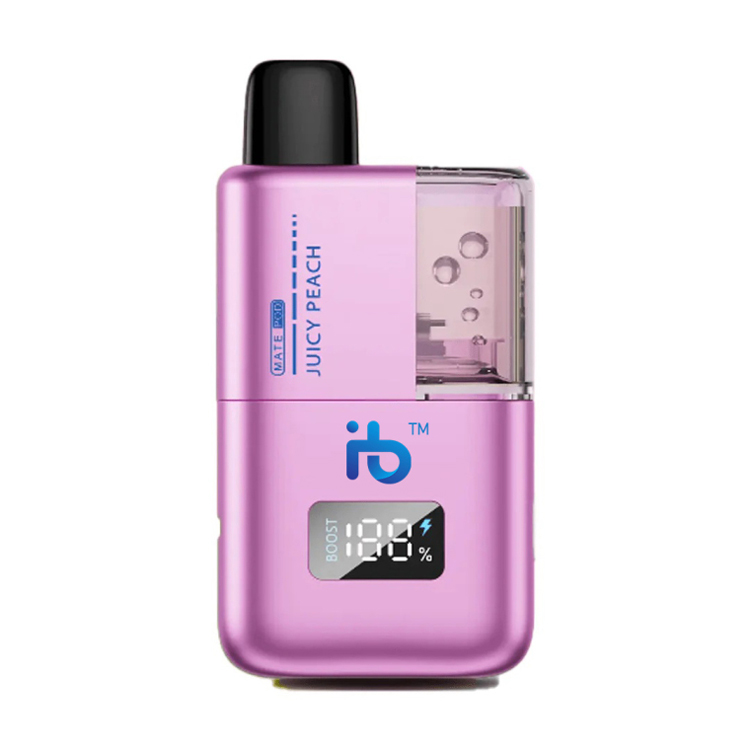
Consider opting for compact, travel-friendly vaping devices that are easy to store and less likely to leak. Pod systems or disposable e-cigarettes are often recommended for travelers. These devices are generally more straightforward to manage and reduce the risk of spills during the journey.
Dealing with Altitude Changes
Altitude changes can affect your e-cigarettes, especially tanks. The change in pressure may cause e-liquids to leak, resulting in a sticky mess. To prevent leakage, vape tanks should be emptied or filled only partially. Alternatively, carrying absorbent materials in your vape bag can help manage any unexpected spills.
The Etiquette of Vaping While Traveling
Good vaping etiquette is crucial when traveling. Respect those around you by refraining from vaping in restricted areas. When arriving at your destination, always inquire about local smoking and vaping guidelines, ensuring you remain respectful of local customs and regulations.
FAQs
Can I recharge my e-cigarette on board?
Generally, charging e-cigarettes on a plane is not allowed due to safety concerns regarding lithium batteries. It’s best to ensure your device is fully charged before boarding.
What should I do if my e-liquid leaks during my flight?
If you encounter a leak, use absorbent materials such as tissues to contain the spill. It’s advisable to clean your device with a damp cloth once off the plane to prevent damage.
Are there any restrictions on the amount of e-liquid I can bring?
Yes, e-liquids must comply with the TSA’s 3-1-1 rule: containers must not exceed 3.4 ounces (100 milliliters) and fit within a quart-sized plastic bag.