
New evidence on vaping: what scientists are finding about risks to lungs and hearts
Recent peer-reviewed reports and large observational studies are converging on consistent concerns: while many users believe e-cigarettes are a safer alternative to smoking tobacco, accumulating data points to significant e cigarette danger that is not limited to nicotine addiction alone. Researchers now document an array of chemicals found in e cigarettes that can irritate airways, disturb cardiovascular function, and in some cases pose long-term disease risks. This article synthesizes the latest findings, explains the plausible mechanisms, and offers practical guidance for clinicians, policymakers, and consumers who must weigh risks versus benefits.
Overview: shifting understanding of aerosol chemistry
Vaping devices deliver heated aerosol rather than smoke, but heating a liquid that contains humectants, solvents, flavorants and often nicotine still generates complex chemical mixtures. Investigators analyzing e-liquid and emitted aerosol have repeatedly identified dozens to hundreds of constituents. Some are deliberately added (flavor compounds, solvents), while others are thermal breakdown products or contaminants. Growing attention is being given to chemicals found in e cigarettes that were unexpected or understudied, and these are central to the emerging picture of e cigarette danger.
Key groups of chemicals and why they matter
- Nicotine: an addictive alkaloid that elevates heart rate and blood pressure acutely and supports dependence. Nicotine itself contributes to cardiovascular strain and has effects on vascular endothelial function.
- Carbonyls (e.g., formaldehyde, acetaldehyde, acrolein): produced when propylene glycol and vegetable glycerin are heated; these are respiratory irritants and have been linked to oxidative stress and inflammation.
- Volatile organic compounds (VOCs):
 such as benzene and toluene; known for systemic toxicity and potential carcinogenicity in chronic exposures.
 - Flavoring chemicals: diacetyl and 2,3-pentanedione, among others, have been associated with bronchiolitis obliterans or “popcorn lung” in occupational settings; inhalational safety of many flavorants remains untested.
- Metals and trace elements: lead, nickel, chromium, cadmium can be present in aerosol due to coil materials or manufacturing contamination; metals are linked to both pulmonary and cardiovascular disease.
- Ultrafine particles: aerosol particle size allows deep lung deposition and systemic translocation, altering vascular reactivity and promoting inflammation.
Why these chemicals create combined hazards
Mixtures can have additive or even synergistic effects: oxidants and carbonyls prime immune responses, ultrafine particles carry adsorbed chemicals deep into the alveoli, and metals catalyze oxidative injury. This multifactorial exposure pattern supports the observation that e cigarette danger manifests across respiratory and cardiac systems.
Evidence linking e-cigarette exposures to lung injury
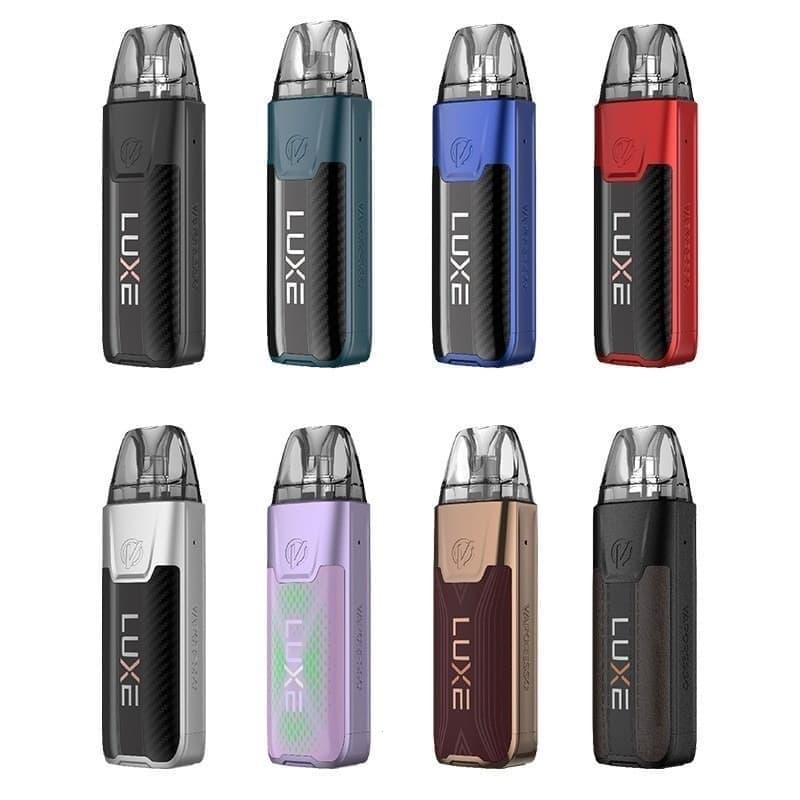
Clinical reports and controlled human exposure studies describe cough, wheeze, bronchitic symptoms, and declines in measures of airway function following e-cigarette use. Cases of acute lung injury (sometimes severe) have been associated with adulterated cartridges, illicit tetrahydrocannabinol (THC) products, and vitamin E acetate; however, even without these additives, regular users can show biomarkers of airway inflammation and disrupted surfactant function. Laboratory models demonstrate that chemicals found in e cigarettes e cigarette danger and unexpected chemicals found in e cigarettes threatening lung and heart health” /> damage epithelial cells, impair mucociliary clearance, and alter immune cell responses, increasing vulnerability to infection and chronic airway disease.
Cardiovascular effects and mechanisms
Short-term studies reveal that inhalation of e-cigarette aerosol leads to increased heart rate, higher systolic blood pressure, arterial stiffness, and endothelial dysfunction—effects influenced by nicotine dose but also seen with nicotine-free formulations containing flavorings and solvents. Potential mechanisms include sympathetic activation, oxidative stress from carbonyls and metals, and systemic inflammation originating in the lung. Epidemiological analyses increasingly associate vaping with markers of subclinical atherosclerosis and with acute cardiovascular events in some populations, supporting an actionable concern about e cigarette danger to the heart.
Vulnerable groups: who is at higher risk?
- Adolescents and young adults — developing lungs and brains are more susceptible to nicotine addiction; initiation with flavored products remains common.
- Pregnant people — nicotine and other toxins can affect fetal development.
- People with pre-existing cardiopulmonary disease — even small insults can destabilize chronic conditions.
- Dual users (smoke and vape) — cumulative exposures may amplify risk.
What specific unexpected chemicals were detected in recent studies?
Beyond the usual suspects, investigators have reported low levels of nitrosamines (some carcinogenic), glycols breakdown products, and flavor-related aromatic compounds not intended for inhalation. Metals such as nickel and lead have sometimes exceeded expected background levels, and assays have found traces of pesticides and solvent residues in poorly regulated products. The term chemicals found in e cigarettes therefore encompasses both design-intended constituents (e.g., propylene glycol) and contaminants or byproducts that increase health risk unexpectedly.
Regulatory gaps and product variability
One major contributor to risk is variability across products and batches. The same labeled e-liquid may generate very different aerosol chemistries when used in a high-voltage device versus a low-power pod. Flavor variability and illicit market products further complicate exposure assessment. This heterogeneity means that population-level estimates of harm can be masked by individual-level variability—some users may inhale relatively few toxicants, while others encounter high levels of harmful chemicals.
Clinical implications: screening and counseling
Clinicians should ask about vaping explicitly, including device type, frequency, flavors, and use of non-regulated cartridges. Counseling should emphasize that while some smokers may use e-cigarettes to reduce combustible cigarette exposure, e-cigarettes are not risk-free. For patients attempting cessation, FDA-approved pharmacotherapies and behavioral programs remain the evidence-based first line. For those who decline these options and choose vaping as harm reduction, clinicians should provide harm-minimizing guidance: avoid illicit cartridges, reduce frequency and power settings, and transition toward products with quality controls if available.
Public health and policy considerations
Policymakers face complex trade-offs: measures that limit youth access (flavor bans, age restrictions, marketing controls) can decrease initiation, while adult smokers sometimes report benefit from regulated products that help them quit combustible cigarettes. Because research increasingly documents e cigarette danger through the presence of multiple toxicants, policies that tighten manufacturing standards, require transparent ingredient disclosure, standardize testing for chemicals found in e cigarettes, and enforce limits on contaminants could reduce population harms.
Research priorities
- Longitudinal cohort studies to characterize chronic disease incidence among exclusive vapers, dual users, and former smokers.
- Standardized aerosol testing across device types and realistic puff regimens to map exposure profiles.
- Toxicological work focused on flavorants and thermal decomposition products to identify inhalation hazards.
- Interventions to prevent youth uptake and support adult cessation using evidence-based approaches.
Practical tips for users concerned about exposure
- Understand that ‘nicotine-free’ liquids can still produce harmful carbonyls and volatile organics when heated.
- Avoid high-voltage or modified devices that increase heating temperatures and the formation of toxic byproducts.
- Refrain from using black-market or unverified cartridges and additives.
- Seek proven cessation supports—nicotine replacement therapy (NRT), counseling, and prescription medications—rather than relying solely on unregulated vaping products.
“No inhaled product is without risk. The presence of unexpected toxicants in aerosols means consumers often face hidden harms,” says a public health expert summarizing current evidence on chemicals found in e cigarettes.
How to interpret the risk: relative versus absolute
Risk assessment must balance relative and absolute perspectives. For a long-term heavy smoker, switching to a regulated, lower-emission nicotine product could reduce certain risks associated with combustion. However, for a never-smoking adolescent, initiating vaping introduces new and avoidable harms. The detection of multiple dangerous constituents supports cautious messaging: reducing combustible cigarette use is important, but replacing one exposure with another inhaled chemical cocktail is not inherently safe. The phrases e cigarette danger and chemicals found in e cigarettes should be understood in the context of exposure patterns and population subgroups.
Communication tips for health communicators
Clear, evidence-based messages should state that e-cigarettes contain nicotine and a range of other chemicals, some of which are known respiratory and cardiovascular toxins. Avoid minimizing language such as “just water vapor.” Tailor messaging—prioritize youth prevention, support for quitting, and transparency about product variability and unknowns.
Concluding synthesis
The accumulating body of research demonstrates that aerosols from vaping devices are chemically complex and can include chemicals found in e cigarettes that are harmful to both lung and heart health. While the spectrum of risk varies by product, user behavior, and population, repeated observations of airway inflammation, cardiovascular perturbations, and toxicant exposure support treating e-cigarette use as a meaningful public health concern. The concept of e cigarette danger should inform clinical counseling, regulatory action, and personal decisions: for many, safer alternatives exist, and for policymakers, stronger safeguards and product standards can reduce unintended harms.
Next steps for stakeholders
- Researchers: prioritize standardized testing and longitudinal endpoints.
- Clinicians: ask about vaping and counsel using evidence-based cessation tools.
- Regulators: mandate ingredient disclosure, limit contaminants, and restrict youth-oriented marketing.
- Consumers: avoid unregulated products, favor treatments with proven efficacy for quitting smoking, and recognize that e-cigarettes carry risks beyond nicotine dependence.
By focusing attention on the specific chemicals found in e cigarettes and the clinically observed patterns of harm, communities can craft more informed responses that protect youth, support cessation for adults, and reduce the overall burden of cardiopulmonary disease.
FAQ
Q: Are all e-cigarette liquids equally dangerous?
A: No. Toxicant levels vary widely by device type, power settings, liquid composition, and presence of contaminants. However, variability does not imply safety; even commonly used liquids produce harmful byproducts when heated.
Q: Can switching from cigarettes to vaping eliminate cardiovascular risk?
A: Switching may reduce some risks related to combustion, but vaping still exposes users to nicotine and other chemicals that can impair vascular function and increase cardiovascular strain. The net benefit depends on individual patterns and products used.
Q: How can I reduce exposure if I choose to vape?
A: Use regulated products, avoid illicit cartridges, minimize power/temperature, and consider evidence-based cessation aids as alternatives.