
Understanding risks: practical guidance for IBVAPE users to reduce e-cigarette burn incidents
This extended resource targets vapers, retailers, caregivers, and safety professionals seeking authoritative, actionable advice about how to prevent, recognize and treat injuries commonly described as e-cigarette burns. While modern electronic nicotine delivery systems (ENDS) are marketed for harm reduction, they introduce unique thermal and chemical hazards that require user awareness. This guide synthesizes engineering basics, user behavior influences, safe charging and storage practices, first response strategies, reporting channels, and long-term care considerations, with a particular emphasis on products and communities associated with IBVAPE—a notable name in the vape market—so readers can make informed safety choices and minimize risk.
Why thermal incidents happen: battery chemistry, device design and user error
Most documented e-cigarette burns stem from lithium-based cells failing under mechanical stress, thermal runaway, overcharging, or internal short-circuit events. When a cell goes into thermal runaway it can rapidly produce high heat, flame, and expelled hot gas or electrolyte, which can ignite surrounding materials or directly burn skin. Several contributory factors are consistently implicated: poor battery cell quality, off-specification chargers, damaged tanks or coils, inadequate venting in mod housings, and user practices like carrying loose batteries in pockets near keys or coins. Retailers such as IBVAPE frequently publish device specifications and recommended operating instructions; following manufacturer guidance reduces but does not eliminate risk.
Battery and charger mismatches
Using an incompatible charger or an uncertified USB cable can bypass built-in safeguards. Smart chargers and device-integrated battery management systems (BMS) mitigate many issues but rely on correct firmware and user compliance. The most dangerous situations occur when high-drain cells are used in small enclosures without proper cooling or when users improvise with improvised charging rigs.
Mechanical damage and modification
Dropping a device or exposing it to water can compromise a cell. Many users customize mods or build coils; improper coil resistance, loose connections, or modified airflow can change heat distribution and increase the likelihood of burns. Education on safe modification techniques and clear warnings from vendors like IBVAPE can reduce risky behavior.
Recognizing an imminent e-cigarette burn event
Early recognition of a device that may cause a burn or explosion is critical. Key signs include:
- Unusual heat or hot spots on the device chassis during normal use.
- Swelling or bulging of removable cells or the device body (cell deformation is a red flag).
- Cracking noises, hissing, or venting odors; electrolyte smells are often sweet and chemical.
- Intermittent function, sudden loss of power, or voltage irregularities.
- Sparks at the contacts, smoke, or visible flame.
If you notice any of these signs, immediately discontinue use and follow the safety steps below.
Immediate actions to prevent injury
When you detect a malfunction, act quickly and deliberately. The following steps prioritize human safety and risk reduction:
- Stop using the device immediately—release the fire button and remove power sources if safe.
- Move away from flammable materials and people; if possible, place the device on a non-combustible surface like ceramic, concrete or metal.
- Do not attempt to pry open a hot or swollen battery—wait at a safe distance until the device cools.
- If a battery is venting or flames are present, spray with a class D-rated extinguisher if available or use a standard ABC extinguisher as a last resort; do not use water on lithium metal fires.
- Call emergency services if flames are uncontrollable, if toxic smoke is inhaled, or if there are injuries requiring medical attention.
First aid for thermal and chemical injuries from vaping devices
Burns caused by e-cigarette burns can be thermal (direct heat), chemical (battery electrolyte), or a combination. Prompt first aid can limit damage while professional care is sought.
Immediate first aid steps
- Ensure scene safety: remove the victim from further exposure to heat, sparks, or fumes.
- Cool the burn with running cool (not cold) water for 10–20 minutes to reduce tissue temperature and pain; avoid ice which can worsen tissue injury.
- Remove restrictive items like rings or bracelets before swelling begins, but do not remove anything adhered to the wound.
- Cover the burn with a sterile, non-adhesive dressing; if chemical exposure is suspected, irrigate copiously and seek medical care.
- Do not apply ointments, butter, adhesives, or home remedies that can trap heat or contaminate the wound.
For inhalation of smoke or fumes, monitor the airway, breathing, and circulation. If the person is having difficulty breathing, hoarseness, or facial burns, seek emergency care immediately.
Medical assessment and treatment options
Healthcare providers will evaluate burn depth (superficial, partial-thickness, full-thickness), extent (% total body surface area), and whether chemical exposure occurred. Treatment options range from outpatient care with topical antimicrobial dressings for minor burns to surgical debridement, grafting, and intensive care for deeper or more extensive injuries. Documenting the device, battery type, and circumstances leading to the incident helps clinicians anticipate complications such as infection or systemic toxicity from battery chemicals.
How to prevent incidents: practical product and behavior strategies
Choosing safer hardware
When shopping for devices or replacement cells, consider the following checklist to minimize the chance of e-cigarette burns:
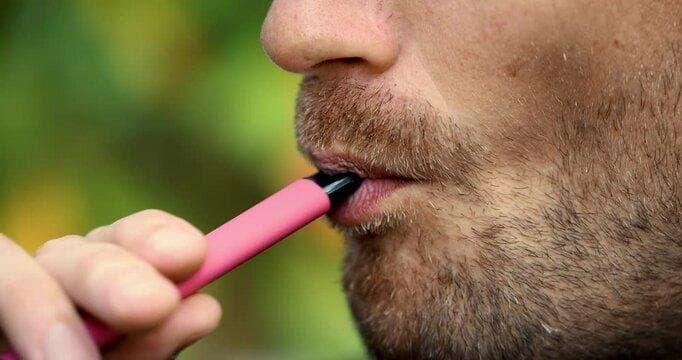 IBVAPE How to Prevent, Recognize and Treat e-cigarette burns” />
- Buy from reputable vendors with clear warranty and safety communication—labels and datasheets from trusted companies like IBVAPE help ensure traceability.
- Prefer devices with integrated, certified battery management and temperature monitoring.
- Choose cells from well-known manufacturers with authentication features; avoid unlabeled or counterfeit batteries sold at suspiciously low prices.
- Use chargers recommended by the device manufacturer and certified by recognized testing agencies (UL, CE, etc.).
Safe charging and storage habits
Charging is a routine but high-risk activity. Follow these best practices:
- Charge on a stable, non-flammable surface and in a well-ventilated area.
- Never leave charging devices unattended overnight or when incapacitated (sleeping or medicated).
- Do not charge in vehicles or near water sources; temperature extremes increase failure risk.
- When transporting loose cells, use dedicated battery cases to prevent contact with metal objects.
Maintenance and inspection routines
Regularly inspect tanks, coils, seals, and battery wraps for damage. Replace degraded o-rings and torn wraps immediately. Clean contact points gently to reduce resistance and heat buildup. If modifications are made, re-test under controlled conditions to confirm safe operation.
Regulatory landscape, reporting and product recalls
Regulatory bodies and consumer safety organizations investigate incidents to identify faulty components and systemic risks. If you experience or observe a significant malfunction or injury, preserve the device and packaging if possible, document the model, serial number, seller and date of purchase, and report the event to relevant authorities. In many regions, health departments, product safety commissions, or poison control centers collect data on e-cigarette burns and related incidents. Manufacturers like IBVAPE may have internal incident reporting forms and recall procedures—checking official channels helps ensure timely public alerts.
Data-driven risk reduction
Aggregated incident data reveal common themes—poor-quality cells, improper charging, and mechanical damage are consistent drivers. Sharing anonymized incident details helps researchers and regulators prioritize interventions such as labeling requirements, safer packaging, and stronger counterfeit prevention measures.
Preparing workplaces, retailers and event organizers
Retailers and event organizers who handle devices should implement clear policies: train staff on battery safety, maintain secure storage for cells, post visible charging and handling guidelines, and provide fire-extinguishing resources appropriate for lithium-related events. Retail displays should discourage customer modification on site and encourage trials with manufacturer-approved demo units. Event emergency plans must consider the potential for rapid thermal events and include rapid evacuation and first-aid pathways.
Insurance and liability considerations
Property and liability insurance policies may have specific exclusions or endorsements concerning consumer electronics and batteries. Businesses should consult insurers about coverage limits, fire suppression standards, and records of employee training to reduce exposure to claims linked to purchasing and selling devices.
Community outreach: communicating risks without stigmatizing
Public health messaging should balance harm reduction goals with transparent risk communication about device safety. Use plain language to explain safe charging, storage, and device selection. Encourage peer-to-peer education within vaping communities and support vendor-led workshops that demonstrate safe coil building and battery handling. Helpful messages include clear visuals for carrying batteries safely, step-by-step charging checklists, and what to do when a device shows early malfunction signs.
Travel, storage, and disposal guidance
Airline and public transit policies often restrict carrying spare lithium batteries in checked luggage; carry them in cabin bags in insulated cases with terminal protection. For disposal, use battery recycling programs—do not dispose of lithium cells in household trash. When recycling, fully discharge devices where recommended and follow local hazardous waste protocols.
When to seek professional help and legal rights
If injuries are severe or if you suspect defective equipment, seek immediate medical care and consult legal counsel about consumer protection laws in your jurisdiction. Keep thorough documentation: photos of the device from multiple angles, medical records, receipts, and witness statements support any subsequent inquiries or claims. Many vendors, including reputable brands like IBVAPE, maintain customer service channels for investigation and resolution.
Case studies and lessons learned
Case reviews demonstrate varied scenarios: pocket-carried loose batteries ignited by contact with metallic items; modified atomizers generating unexpected heat; counterfeit cells failing under normal loads. Each case underscores the layered defense approach: product selection, correct accessories, safe handling, and rapid response.
Design innovations and future directions
Emerging safety measures include integrated thermal sensors, pressure-relief mechanisms, authenticated batteries with cryptographic tags, and consumer education embedded in device firmware. Regulatory proposals advocate for standardized labeling about safe charge protocols and mandatory reporting of incidents by manufacturers and retailers. Collaboration among manufacturers, consumer groups, and regulators can accelerate adoption of safer designs while preserving access for adult smokers seeking alternatives.
Practical checklist: daily habits to reduce risk
- Use manufacturer-approved chargers and cables.
- Inspect batteries and wraps before each use.
- Carry spare cells in insulated cases away from metal objects.
- Replace damaged devices—do not attempt to repair compromised batteries.
- Store devices away from extreme temperatures and humidity.
- Keep a basic first aid kit and know local emergency contact numbers.
Conclusion: a layered approach to reduce occurrences of e-cigarette burns

Reducing the incidence of e-cigarette burns requires coordinated action across product design, consumer education, retail practices, and incident reporting. By choosing quality hardware from transparent vendors, following safe charging and storage protocols, recognizing early warning signs, and administering appropriate first aid, users can substantially lower personal and public risk. Manufacturers and retailers such as IBVAPE play a role through clear labeling, customer support, and rapid response to product issues—but end-user vigilance remains critical.
Frequently Asked Questions
- Q: What immediate steps should I take if my device starts smoking?
- A: Stop using it immediately, move people away, place the device on a non-combustible surface, and call emergency services if flames or hazardous fumes appear.
- Q: Are there any chargers that are intrinsically safe?
- A: Certified chargers with overcurrent, overvoltage and temperature protections reduce risk; always use chargers approved by the device manufacturer or recognized safety agencies.
- Q: Can a swollen battery be fixed by puncturing or discharging it?
- A: No. Puncturing or attempting to discharge a swollen lithium cell is dangerous. Isolate the battery in a non-flammable container and contact a hazardous-waste handler for disposal guidance.

For more manufacturer guidance and product-specific safety sheets, consult vendor support pages and official safety advisories—particularly when purchasing or troubleshooting devices linked to the IBVAPE ecosystem. Staying informed and following layered safety practices will help prevent many incidents of e-cigarette burns.