
e-dym|e-cigarette and e-liquid myths
Welcome to a comprehensive, evidence-informed, and user-friendly exploration designed to help curious vapers and health-aware readers separate fact from fiction. This in-depth guide centers on the brand perspective and consumer realities surrounding e-dym while tackling pervasive e-cigarette and e-liquid myths. Whether you’re a beginner weighing options or an experienced vaper refining your knowledge, this article aims to clarify common misunderstandings, explain technical and safety aspects, and supply practical tips for safer use and smarter shopping.
Why debunking myths matters for vapers and the wider public
Misconceptions about vaping and e-liquids are widespread and can create unnecessary fear, risky behavior, or the sidelining of harm-reduction benefits. Responsible brands like e-dym and informed communities rely on accurate, well-researched information to promote safer alternatives to combustible tobacco. This article focuses on balancing realistic risk communication without overstating either harm or benefit, making it a practical resource for consumers, healthcare professionals, and policymakers.
Common myth #1: “E-cigarettes are completely harmless”
Reality: While many people switch to vaping to reduce harm compared with traditional cigarettes, it is inaccurate to call e-cigarettes completely harmless. The nuance is important: the absence of combustion reduces many toxins, but inhaling aerosolized chemicals is not risk-free. Scientific studies indicate that properly manufactured e-liquids and regulated devices generally expose users to fewer toxicants than cigarette smoke, but potential risks remain, especially with unregulated products or misuse.
Key points under this myth
- Relative risk: Most evidence indicates lower exposure to certain carcinogens and combustion products versus cigarettes.
- Absolute risk: Not zero—some respiratory and cardiovascular effects have been reported, particularly in vulnerable populations.
- Product quality matters: Poorly manufactured hardware or illicit e-liquids can introduce unexpected contaminants.
Common myth #2: “Nicotine-free e-liquids are always safe”
Though nicotine-free labels seem reassuring, they do not guarantee safety. E-liquids without nicotine still contain solvent carriers (mainly propylene glycol and vegetable glycerin), flavorings, and other additives. Some flavoring compounds are safe for ingestion but not necessarily for inhalation. The route of exposure changes how our body processes a chemical.
What to watch for
- Inhalation toxicity: Heating flavorings can create thermal breakdown products.
- Label accuracy: Mislabeling and cross-contamination in unregulated markets can expose users to unintended substances.
- Allergens: Some users experience sensitivities to particular flavor compounds.
Common myth #3: “All e-liquids are created equal”
Not true. E-liquid quality varies immensely across brands and product lines. Reputable producers emphasize ingredient transparency, third-party lab testing, and manufacturing controls. Counterfeit or illicit products lack these assurances. Choosing a trusted brand like e-dym—which prioritizes quality assurance—can significantly reduce risk.
How to evaluate e-liquid quality
- Check for batch-specific lab reports (Certificates of Analysis).
- Choose clear labeling that lists all ingredients and concentrations.
- Prefer nicotine salts or freebase nicotine from verified sources depending on your device and needs.
- Avoid liquids with vague “natural flavors” without explanation.
Common myth #4: “Vaping doesn’t expose bystanders to anything harmful”
Secondhand exposure to e-cigarette aerosol is generally lower than secondhand cigarette smoke but it’s not necessarily zero. Aerosol can contain ultrafine particles and traces of nicotine and flavoring compounds. In enclosed spaces, non-vapers—especially children, pregnant women, and people with respiratory conditions—should be protected to minimize any potential risk.
How flavors affect perception and risk
Flavorings are a major driver of product choice and enjoyment, yet they are also the source of many controversies. Some aftermarket and novelty flavor compounds—when aerosolized—can produce oxidative byproducts or reactive carbonyl compounds. That said, numerous mainstream flavors used by quality brands undergo scrutiny to rule out known inhalation hazards. The key recommendation: prefer e-liquids from reputable brands with transparent flavor formulation disclosure.
Understanding device mechanics and safety
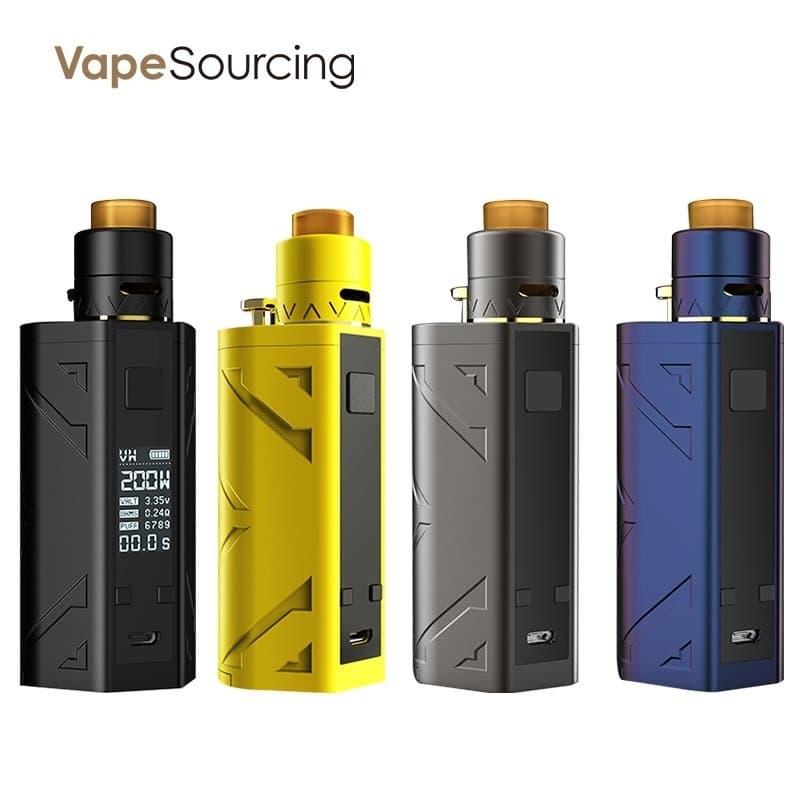
Device type significantly influences aerosol chemistry. Pod systems, mods, and disposable devices heat e-liquid at different temperatures, which affects the formation of thermal degradation products. Modern devices feature temperature control, coil materials selection, and safety cutoffs designed to reduce unwanted chemistry when used correctly. Still, user behaviors—such as chain vaping or dry-puffing—can elevate risk.
Safety tips for device users
- Follow manufacturer coil and wattage recommendations.
- Prime new coils properly to avoid dry hits.
- Use chargers and batteries from trusted suppliers and never use damaged cells.
- Keep firmware up to date for devices that support it and follow recommended maintenance routines.
Regulatory landscape and why it matters
Regulation shapes product quality, safety, and youth access. Where markets are well-regulated, consumers enjoy stronger assurances: lab testing, ingredient standards, and packaging requirements that reduce counterfeit risks. Where regulation is absent or inconsistent, illicit products proliferate, sometimes with devastating health effects. Education about local laws and brand compliance is an important consumer responsibility.
Myth #5: “E-cigarettes always help smokers quit”
While many smokers have successfully used e-cigarettes to reduce or quit smoking, they are not universally effective for everyone. Success depends on product match, behavioral support, nicotine strategy, and individual motivation. Evidence supports vaping as a cessation aid for some adult smokers, especially when combined with quit coaching, but it’s not a guaranteed solution.
Practical guidance for smokers considering switching
1) Choose a device and nicotine formulation that satisfy cravings (nicotine salts for stronger, quicker satisfaction; freebase for different throat hit). 2) Start with realistic reduction goals and, if possible, seek behavioral support. 3) Monitor progress and withdrawal symptoms. 4) Be prepared to iterate—the first device or flavor may not be the final choice.
Addressing myths about addiction and youth uptake
Misunderstandings about addiction can lead to alarmist narratives that obscure constructive policy. Nicotine is addictive, and preventing youth initiation is paramount. Yet conflating adult harm-reduction strategies with youth prevention is unhelpful. Policies must strike a balance: restrict youth-targeted marketing and flavors that appeal disproportionately to minors while preserving regulated adult access to safer alternatives. Brands with responsible marketing and strict age-verification procedures, like e-dym, aim to reduce youth exposure while serving adult smokers seeking alternatives.
Technical deep-dive: What happens when e-liquid is heated?
Heating an e-liquid turns carrier liquids and solubilized flavor compounds into an aerosol. The chemistry depends on temperature, coil material, airflow, and e-liquid composition. At controlled temperatures, the aerosol primarily contains droplets with dissolved or suspended components. At excessive temperatures or during dry-puff events, the probability of creating carbonyls and other thermal decomposition products increases. Understanding and controlling your device settings helps reduce this risk.
How to read lab reports and Certificates of Analysis (COAs)
A good COA indicates lab name, testing standards (e.g., ISO accredited), batch ID, and measured concentrations of key analytes: nicotine content, residual solvents, metals, and contaminants. Learn to spot red flags: missing testing labs, no batch linkage, or absence of contaminant panels. Prefer brands that publish COAs but also contact customer support if anything is unclear.
Practical shopping checklist for safer vaping
Use the following checklist when evaluating brands and products:
1) Transparent ingredient lists and nicotine concentration.
2) Accessible, batch-specific COAs.
3) Clear manufacturing origin and compliance statements.
4) Positive community and expert reviews, not just marketing.
5) Packaging that includes health warnings and child-resistant features.
6) Good customer service and return policies.
How community and scientific evidence converge
Vaping communities and scientific research sometimes progress at different paces. Community knowledge—tips on coil maintenance, flavor pairing, and device tweaking—can be pragmatic and immediately useful. Scientific studies contribute controlled data on exposure and potential health effects. The best user decisions synthesize both: respect rigorous evidence while learning from experienced peers about practical device use and product reliability.
Dispelling misinformation online
Online platforms can amplify both accurate information and sensationalized claims. Verify sources, cross-check claims with multiple reputable outlets, and prefer peer-reviewed studies or statements from recognized public health authorities. Never rely solely on anecdote, especially when it involves rare or unusual reactions potentially linked to unregulated products.
Key takeaways and actionable steps
1) Understand relative vs. absolute risk: vaping may reduce harm for adult smokers but is not risk-free.
2) Choose regulated brands that publish COAs and practice manufacturing transparency—this is where e-dym differentiates itself.
3) Avoid unregulated, black-market e-liquids and illicit cartridges.
4) Respect device guidelines to limit thermal degradation and avoid dry puffs.
5) Protect non-users by vaping considerately in shared spaces.
Responsible use and harm reduction
For adult smokers who can’t or won’t quit nicotine, switching to a less harmful nicotine delivery system can be a practical harm-reduction strategy. Harm reduction prioritizes reducing the negative impacts of a behavior over moral judgments. For those aiming to quit nicotine entirely, combining behavioral support with carefully stepped nicotine reduction tends to be most effective.
How e-dym approaches quality and transparency
Brands that emphasize consumer safety publish ingredient disclosures, provide easy access to COAs, and adhere to manufacturing best practices. They also engage with user communities and healthcare professionals to improve product understanding. When assessing any brand, review these factors to evaluate legitimacy and commitment to safety.
What to do if you experience adverse effects
If you experience sudden respiratory symptoms, chest pain, severe coughing, or unexplained shortness of breath after vaping, seek medical attention and be ready to provide product details (brand, flavor, device type, nicotine level, where you purchased it). Reporting adverse events to public health authorities can help identify problematic products and prevent harm to others.
Resources for staying informed
Follow updates from reputable public health agencies, review peer-reviewed journals that publish aerosol and exposure science, and consult community-led databases that track product recalls and COAs. Cross-check multiple sources and be skeptical of single-study sensational headlines without context.
Conclusion: informed choices beat fear and hype
Myths about vaping and e-liquids thrive where nuance is absent. By focusing on quality, transparency, and responsible use, adult consumers can make informed decisions that prioritize health and safety. Whether you are researching e-dym or comparing brands, prioritize verified information, responsible regulation, and practical harm-reduction strategies.

Frequently Asked Questions
Q: Are flavored e-liquids more dangerous than unflavored ones?
A: Not inherently, but flavorings introduce additional compounds that require assessment. Choose brands that disclose flavor ingredients and publish independent testing to reduce uncertainty.
Q: Can novice vapers safely switch to vaping to quit smoking?
A: Many smokers have used vaping successfully as a step-down strategy. Seek products that effectively satisfy cravings, consider behavioral support, and consult healthcare providers about personalized plans.
Q: How can I verify if an e-liquid is legitimate?
A: Look for batch-specific COAs, clear ingredient lists, regulated retail channels, and transparent company contact information. Avoid products with vague labeling or inconsistent claims.