Comprehensive Puff Review: Insights into Puff and Negative Consequences of Using E-cigarettes
As Puff continues to captivate users in the e-cigarette industry with its range of products, it is crucial for consumers to fully understand both the appeal and the negative consequences of using e-cigarettes. This article provides a deep dive into the Puff brand, examining its design, flavors, and user experience, while providing a realistic overview of the risks and drawbacks associated with vaping.
What Is the Puff Brand?
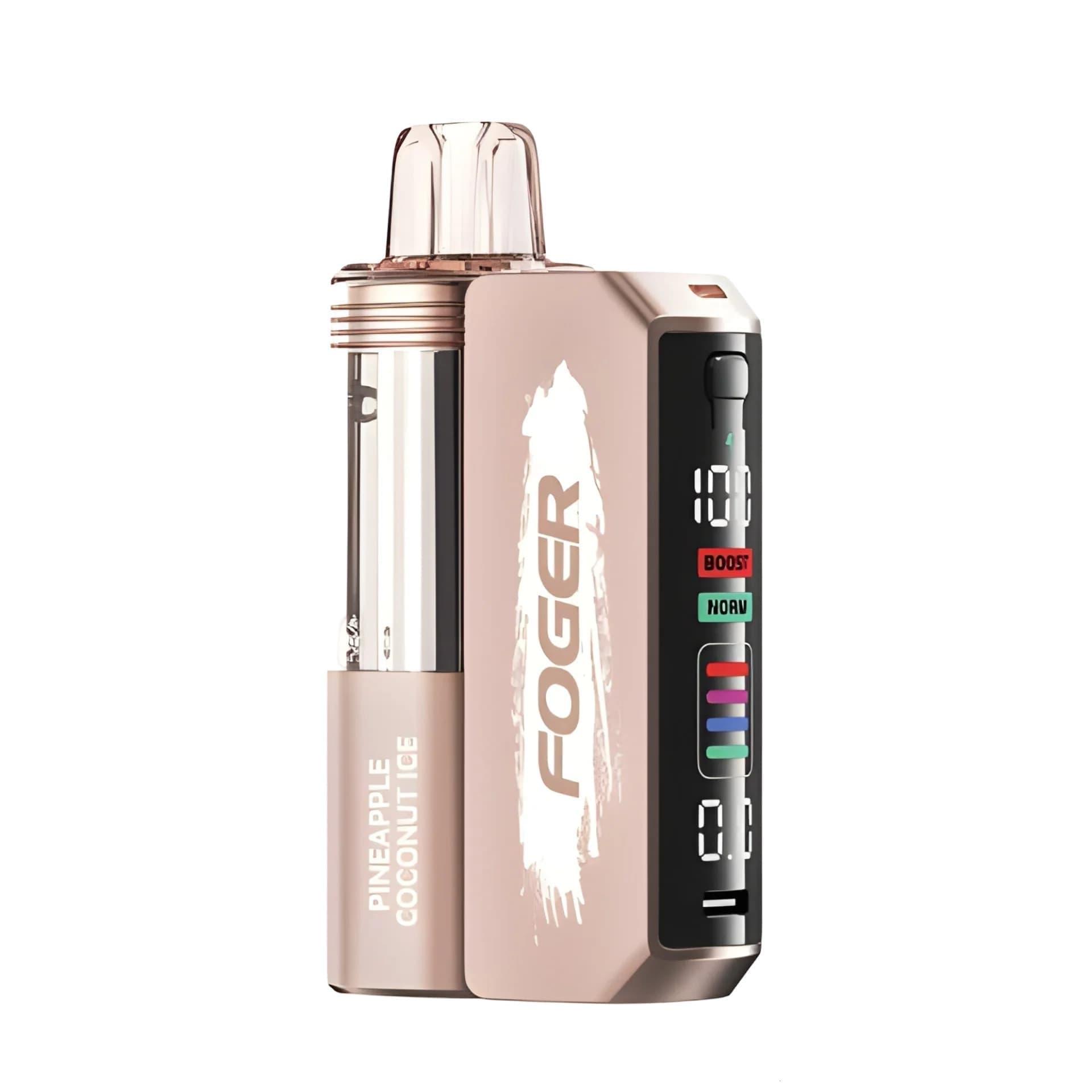
The Puff brand has emerged as a leader in disposable e-cigarettes, offering easy-to-use devices that require no refilling or recharging. Known for their sleek design, portability, and wide variety of flavors, Puff products target both new and experienced users seeking an alternative to traditional smoking. The company’s focus on flavor differences and smooth hits has set Puff apart, making it a recognizable name for those interested in vaping.
Flavors and User Experience
Puff’s main draw is its extensive selection of flavors, ranging from fruit blends to menthol options. This appeals to those looking for a more enjoyable inhalation experience than that provided by standard tobacco. The convenience of single-use units further enhances the user experience, attracting consumers wishing to avoid the hassle of refilling liquids or replacing coils.
The Popularity of Puff and E-Cigarettes
- Puff devices are widely available online and in stores
- Marketing campaigns often highlight their ease of use and discreet design
- E-cigarette popularity among youth has grown due to targeted advertising and trendy flavors

Why Are E-cigarettes Such as Puff Popular?
Consumers appreciate the lack of lingering smell, customizable nicotine strengths, and the array of designs. Additionally, Puff e-cigarettes are promoted as a “safer” alternative to smoking, further increasing their appeal among those seeking a supposed lower-risk product.
Negative Consequences of Using E-cigarettes
Despite their popularity, it is essential to address the negative consequences of using e-cigarettes, as numerous studies reveal serious health and societal impacts.
Health Risks Associated With E-cigarettes
- Nicotine Addiction: Most Puff devices contain nicotine, which is highly addictive and can affect brain development in adolescents and young adults. This can lead to increased dependence and difficulty quitting.
- Respiratory Issues: E-cigarette aerosol contains substances such as propylene glycol, glycerin, and flavor chemicals, all of which may irritate the lungs. Users report symptoms like coughing, throat irritation, and shortness of breath after extended Puff usage.
- Chemical Exposure: Puff e-cigarettes may emit potentially harmful chemicals like formaldehyde and acetaldehyde, known to have carcinogenic properties. These can contribute to long-term health risks, including lung cancer and heart disease.
- Gateway to Smoking: Some studies suggest that young Puff users are more likely to transition to traditional cigarettes, countering one of the key marketing arguments for vaping.

Societal and Environmental Drawbacks
- Waste Concerns: Disposable Puff devices contribute to electronic waste due to their single-use nature, posing environmental dangers when discarded improperly.
- Youth Appeal: Bright packaging and sweet flavors make Puff devices attractive to teenagers, fueling concerns about underage use and the normalization of nicotine consumption at a young age.
Are E-cigarettes a Safe Alternative?
While some marketing claims highlight e-cigarettes like Puff as a less harmful option compared to traditional smoking, emerging evidence questions this perception. The negative consequences of using e-cigarettes extend beyond personal health, impacting communities and the environment.
| Consequence | Description |
|---|---|
| Nicotine Addiction | Rapid onset and difficult withdrawal process |
| Lung Health | Potential inflammation and chronic issues |
| Societal Impact | Increase in youth nicotine exposure |
| Environmental Harm | Single-use product waste |
Puff Device Design: Convenience Versus Risks
Puff e-cigarettes are praised for their portability and discreetness, but this very design also promotes spontaneous overuse and increased exposure to nicotine. Unlike cigarettes, which have a finite end, Puff devices can be vaped continuously without clear indications of overuse, increasing the likelihood of addiction and health problems. The lack of long-term studies on flavored e-liquids also means the full risks associated with continuous Puff device consumption are unknown.
Marketing Tactics and Young Audiences
The popularity of Puffy and other e-cigarettes among teens is not accidental. Puff’s vibrant flavor options and sleek packaging, visible in social media marketing, encourage experimentation and regular use. This raises alarm among health experts regarding the potential for increased nicotine dependence, particularly in developing brains. Regulations have attempted to curb such marketing, but enforcement varies by country and region.
Community Reactions and Regulatory Responses
As reports on the negative consequences of using e-cigarettes mount, several countries have imposed restrictions on sales, particularly to minors. Health agencies campaign for better labeling, ingredient disclosure, and responsible advertising in response to growing demand for Puff products among young consumers.
Healthier Alternatives to Puff E-cigarettes
If you are considering quitting or avoiding the pitfalls of vaping, there are several healthier alternatives. Nicotine replacement therapies (NRT) like patches and gum are available, along with counseling and support apps. Transitioning away from both smoking and vaping improves lung function, overall well-being, and eliminates the negative consequences of using e-cigarettes.
Should You Trust Puff’s Safety Claims?
Despite branding and user testimonials, the lack of full regulation over the e-cigarette industry, including for Puff, means ingredient and potency inconsistencies can exist. Puff products may vary in terms of quality or nicotine content, sometimes resulting in excess vaporization of harmful substances. Always review updated safety reports before making consumption choices.
Conclusion: Informed Choices Regarding Puff and E-cigarettes
Puff e-cigarettes present a convenient and attractive alternative to traditional smoking, but their health, social, and environmental downsides are significant. Understanding both the positive aspects and the negative consequences of using e-cigarettes empowers consumers to make educated decisions. Staying aware of ongoing research, adopting safer alternatives, and prioritizing health should be at the forefront when considering any vaping product, including those from Puff. As regulations and studies continue to evolve, your awareness is your best protection.
FAQ
- Is Puff safer than traditional cigarettes?
- While Puff devices may reduce exposure to certain chemicals found in burned tobacco, they still pose considerable health risks, especially due to nicotine addiction and possible lung irritation.
- Can non-nicotine Puff devices be risk-free?
- No e-cigarette is completely risk-free. Even nicotine-free Puff products may expose users to unknown chemicals and respiratory irritants.
- Why are Puff e-cigarettes popular among teenagers?
- Puff’s variety of flavors, colorful designs, and discreet size make them appealing to younger audiences, which has led to increased concerns over youth vaping rates.
- What are the environmental impacts of using Puff e-cigarettes?
- Disposable Puff devices contribute to electronic and plastic waste, harming the environment when not disposed of correctly.