
E-cigarettes have surged in popularity as smoking alternatives, and understanding the chemical composition within these devices is crucial for users and researchers alike. The spotlight often shines on nicotine, a stimulative substance commonly found in traditional and electronic cigarettes. But what truly constitutes the essence of the vapor in e-cigarettes? These devices employ a liquid base, typically consisting of propylene glycol and vegetable glycerin, to dissolve and deliver nicotine. Let’s dive deeper into what the main chemical ingredients in e-cigarettes are and their implications on health and vaping experiences.
Nicotine: The Primary Component
Nicotine, a well-known addictive chemical, serves as the primary stimulant in e-cigarettes. This alkaloid compound is naturally found in tobacco plants and acts on human neurons by mimicking neurotransmitters. It’s renowned for its capacity to stimulate the central nervous system, offering a sense of alertness and mild euphoric effects. Despite its addictive nature, some users appreciate nicotine for its cognitive enhancement, although the implications on health remain a significant concern for medical experts.
Propylene Glycol: The Vaporous Agent
Propylene glycol is a synthetic liquid substance that functions as a carrier for the nicotine in e-liquids and contributes to the vapor’s creation once the e-cigarette is activated. It’s designed to deliver a smoother throat hit upon inhalation, enhancing the vaping experience for users. Though generally considered safe for consumption in regulated amounts, discussions about the long-term inhalation effects of propylene glycol are ongoing.
Vegetable Glycerin: The Flavor Enhancer
Unlike propylene glycol, vegetable glycerin is a thicker liquid derived from plant oils, often used to create denser vapor clouds and serve as a sweetening agent in e-liquids. Vegetable glycerin is praised for its ability to mix easily with flavors, providing a richer taste experience during vaping. While this component is deemed harmless when ingested through food, inhaling it continually may pose unknown risks, still under exploration.
Additional Chemicals
Besides the primary chemicals, e-liquids might include varying concentrations of flavorings and additives. Manufacturers aim to craft unique taste profiles, often requiring complex formulations that differ widely across brands. The compatibility and safety of these added chemicals are subject to ongoing scrutiny, particularly concerning their effects when heated and inhaled.
Health Implications and Current Understanding
The main chemical in e-cigarettes, nicotine, combined with propylene glycol and vegetable glycerin, opens dialogues on the safety and health impacts of vaping. Some studies suggest that while e-cigarettes may offer a reduction in harm compared to conventional smoking, the long-term consequences, especially relating to respiratory health, are not yet comprehensively studied. The debate remains whether the benefits of switching to vaping outweigh the potential risks.
Common Questions
Are e-cigarettes less harmful than traditional cigarettes?
While e-cigarettes are widely promoted as a safer alternative to smoking, the absence of combustion reduces exposure to harmful tar. However, the health risks associated with inhaling chemicals like nicotine, propylene glycol, and vegetable glycerin are still being researched.
Do e-cigarettes contain harmful chemicals?
E-cigarettes often contain fewer harmful substances compared to conventional cigarettes, but health concerns remain regarding long-term exposure to nicotine and other ingredients used in e-liquids.
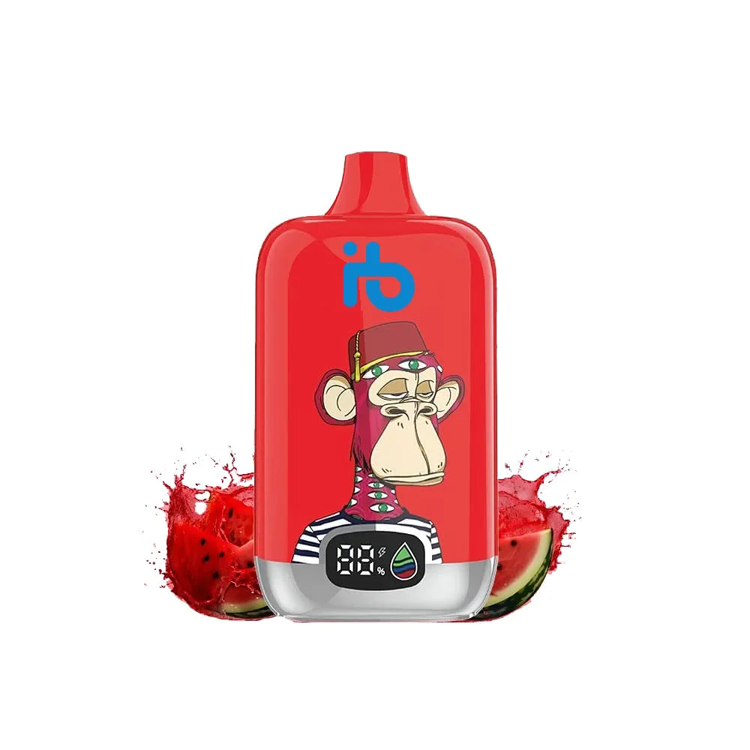
Can you vape with zero nicotine?

Yes, many e-liquid brands offer nicotine-free options, allowing users to enjoy the act of vaping without exposing themselves to addictive properties. Such products primarily focus on flavor and producing vapor.