
E-cigarettes have surged in popularity, particularly among young adults and teens, leading to increased scrutiny concerning their potential for addiction. But why are e-cigarettes addictive? To answer this question, it’s important to understand the elements contributing to their addictive nature. E-cigarettes or “vapes” often contain nicotine—a substance well-known for its addictive properties. In fact, nicotine is one of the most addictive substances found in tobacco products, rivaling even some illicit drugs in terms of how quickly it hooks users. The design of e-cigarettes allows for rapid nicotine delivery, potentially more so than traditional cigarettes, because vapor is inhaled as opposed to smoke. This mechanism enhances the addiction risk.
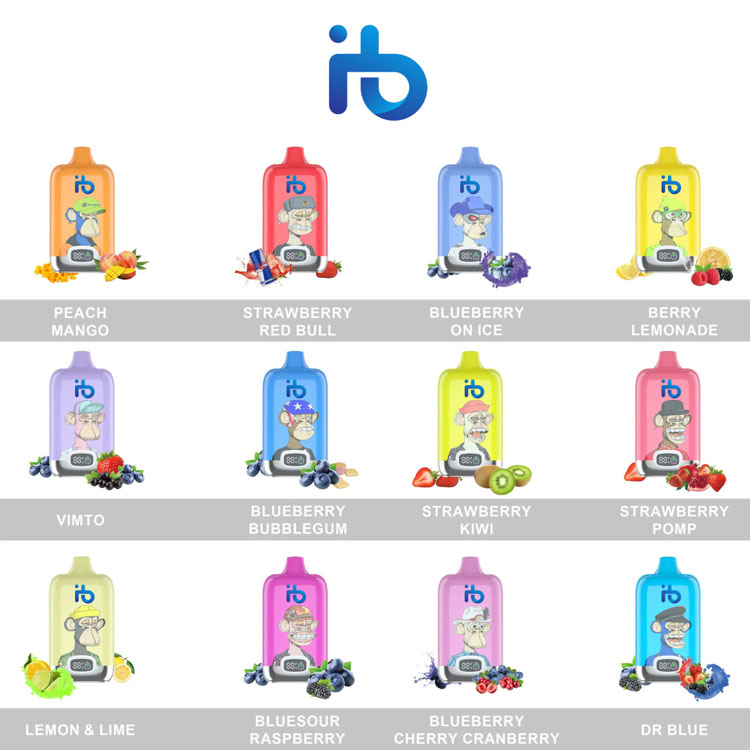
Another pivotal factor is the marketing and customization options available for e-cigarettes. Unlike traditional tobacco products, e-cigarettes come in a myriad of flavors, from fruity to dessert-like. These appealing flavors make vaping more enticing, especially for younger users who may not otherwise consider smoking. The flavors mask the harshness typically associated with nicotine, making the initial experience enjoyable and thus encouraging continuous use. Moreover, e-cigarettes are marketed as being “safer” than traditional cigarettes, which may lead to the misconception that they can be used frequently without any significant health risks—this misunderstanding further fuels addictive behaviors.
Let’s delve deeper into the physiological and psychological aspects causing e-cigarettes to be addictive. Physiologically, nicotine consumed via vaping is rapidly absorbed into the bloodstream, triggering the release of dopamine, a neurotransmitter that gives users a sense of pleasure and reward. This potent dopamine release creates a cycle of addiction, urging the user to repeat the behavior to re-experience that pleasure. Psychologically, vaping can quickly become integrated into daily routines, generating habitual dependency. Social environments that normalize or encourage vaping amplify this aspect, pushing users further into addiction without realizing its impacts.
Understanding why e-cigarettes are addictive helps in addressing the underlying issues that promote dependency. Public awareness initiatives aimed at educating about the dangers of nicotine and e-cigarettes can play a crucial role. Furthermore, implementing stricter regulations on marketing and sales, especially toward minors, can help mitigate these risks.
This brings us to common questions you may have about e-cigarettes and their addictive nature:
- Are e-cigarettes less addictive than traditional cigarettes? While they may lack some of the harmful compounds found in traditional cigarettes, e-cigarettes still contain significant amounts of nicotine. This can result in similar levels of addiction.
- Can you quit using e-cigarettes like you would with other tobacco products?
 Yes, quitting vaping involves many of the same strategies used for quitting smoking, such as nicotine replacement therapies and support programs.
 - Do e-cigarettes lead to cigarette smoking?
 There is an ongoing discussion, but research suggests that young people who vape may be more likely to start smoking traditional cigarettes.

The addictive nature of e-cigarettes is not just tied to the presence of nicotine but is compounded by the appealing flavors, social perceptions, and rapid delivery mechanisms. As we decipher the <why> behind their addictiveness, it’s clear that awareness and education play vital roles in prevention and cessation efforts.