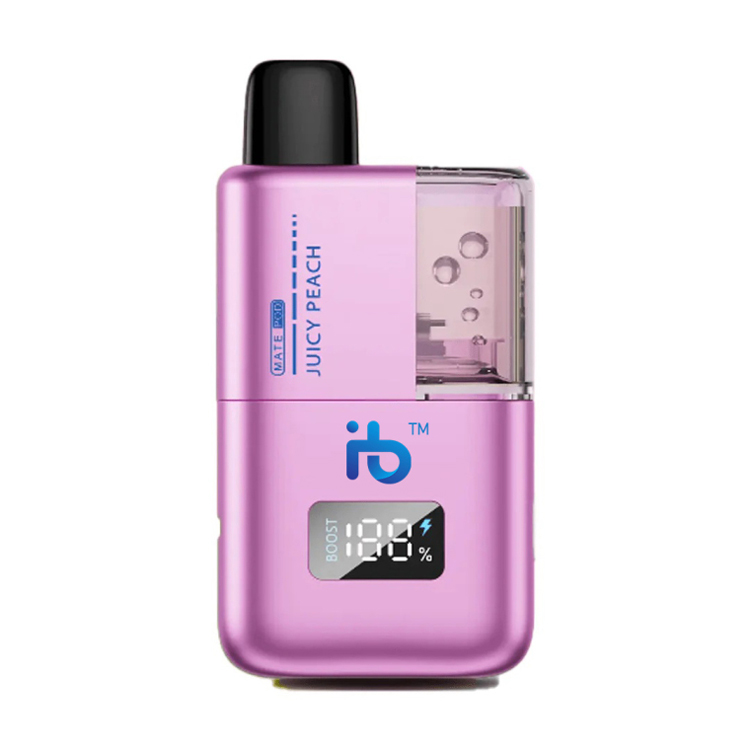
In recent years, the rise of fake electronic cigarettes has become a significant concern for both consumers and regulators. These counterfeit products not only undermine legitimate manufacturers but also pose serious health risks to users. As the popularity of vaping has surged, so has the production of fake e-cigarettes that mimic the appearance of well-known brands, but with none of the safety standards. Understanding the dangers and taking preventive measures is crucial for all e-cigarette users.
The most immediate risk associated with fake electronic cigarettes is the uncertainty surrounding the ingredients used in their production. Genuine e-cigarettes are subject to stringent quality control processes that ensure safety and consistency. However, counterfeit versions often bypass these protocols, introducing questionable components that can lead to severe health issues. The inhalation of toxic substances from these fake devices can result in respiratory problems, allergic reactions, and even more serious health conditions over time.
The Economic Impact of Fake E-Cigarettes
Aside from health concerns, the economic implications of the sale of counterfeit e-cigarettes are profound. Legitimate manufacturers suffer significant financial losses, impacting innovation and job security within the industry. Each fake product sold diverts revenue away from brands that invest heavily in product development and quality assurance. Moreover, governments miss out on important taxation revenue, which in turn affects public health funding that could otherwise address genuine concerns within the e-cigarette landscape.
Identifying Fake Products
One critical step in combating the spread of fake electronic cigarettes is education. Consumers must be equipped with the knowledge to distinguish between genuine and counterfeit products. Packaging is often the first indicator; legitimate brands invest in high-quality, tamper-proof packaging that includes holograms or other secure markers. Additionally, price can be a telltale sign—if the price seems too good to be true, it often is. Users should purchase e-cigarettes only from reputable retailers and avoid unauthorized third-party sellers who may distribute these dangerous imitations.
- Check for official seals and QR codes which direct to the manufacturer’s verification site.
- Be wary of discrepancies in flavor options or nicotine strength, as fakes often won’t match the authentic product lineup.
- Consult online forums and reviews from experienced users who might have encountered specific fake products.

The Role of Regulations
Government regulations play a pivotal role in mitigating the risks posed by fake electronic cigarettes. By implementing stricter import regulations and enhancing penalties for counterfeiters, authorities can reduce the availability of unsafe products. Collaboration between international regulatory bodies and manufacturers is also key to developing tracking systems that ensure product verification.
The involvement of technology in tracking genuine products is becoming more sophisticated. Blockchain and IoT technology, for instance, are being explored to offer a transparent and trackable lifecycle of e-cigarettes—from manufacturer to end-user—to prevent counterfeiting.
How Manufacturers Can Fight Back
Manufacturers must remain proactive in their fight against counterfeit electronic cigarettes. This includes investing in advanced anti-counterfeiting technologies and engaging in consumer education campaigns to raise awareness about the dangers. By participating in these initiatives, manufacturers can safeguard both their reputation and consumers’ health.

Ultimately, consumers wield significant power in the fight against fake e-cigarettes. By choosing to support legitimate brands and reporting suspicious products to authorities, they contribute to a safer market for everyone. Awareness is the first step toward prevention.
FAQs
Q: What should I do if I suspect my e-cigarette is counterfeit?
A: Immediately stop using the device and contact the brand’s customer service. Provide them with details of the purchase for verification and follow any guidance they offer.
Q: Can fake e-cigarettes be returned or refunded?
A: This depends on the retailer’s policy, but it’s often challenging as many fake products are sold without proper jurisdiction. Buying from reputable sources minimizes this risk.
Q: Are there any visual cues that indicate a fake e-cigarette?
A: Yes, inconsistencies in logos, spelling errors, or unusual colors and design elements are common visual cues of a fake product.