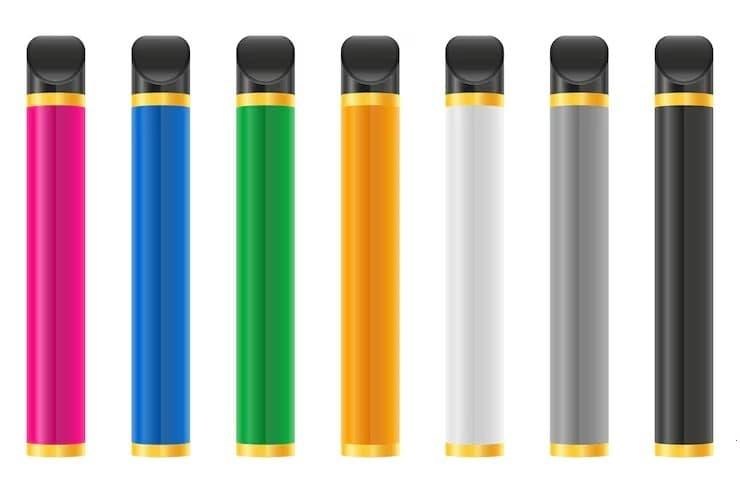
Urgent Notice: Understanding the Risks Behind Single-Use Vaping Devices
Public health conversations increasingly highlight the hazards of disposable electronic smoking products, particularly single-use e-cigarettes. Whether referred to as throwaway vapes, disposable e-cig devices, or in shorthand as EINWEG devices, these products present unique concerns that demand attention. This article examines the risks associated with these items, the evidence behind health warnings, regulatory challenges, and what individuals, parents, and policymakers can do to reduce harm.
The single-use phenomenon and why it matters
Disposable e-cigarettes rose rapidly in popularity because they are inexpensive, convenient, and often come in attractive flavors and packaging. These features have made them particularly appealing to teenagers and new users. The disposable format also sidesteps refill systems and some safety checks common in reusable devices, creating a higher risk profile for both product defects and unregulated ingredients.
What differentiates EINWEG products from reusable e-cigarettes?
Key differences include: built-in batteries that can’t be replaced, a fixed quantity of e-liquid and nicotine which often exceeds safe or intended levels, and the absence of clear labeling or quality control. These characteristics mean once the device is exhausted it is discarded, leading to increased environmental impact and limited traceability when adverse events occur.
Health risks linked to disposable vapes
Research and incident reports point to several concerns:
- Nicotine addiction: Disposable devices frequently contain high nicotine concentrations that accelerate dependence, especially in adolescent brains that are more susceptible to addiction pathways.
- Unknown chemicals: Many off-market or poorly regulated disposables include flavoring chemicals and contaminants not thoroughly tested for inhalation safety.
- Acute injuries: Cases of mouth, throat, and lung irritation, and in more severe instances chemical-induced lung injury have been associated with vaping exposures.
- Device malfunctions: Sealed batteries and thin casings can overheat, leak, or even explode if poorly manufactured.

Evidence and studies
Multiple observational studies, toxicology reports, and incident surveillance systems have documented rising rates of youth usage and nicotine dependence where disposable products have flooded markets. Meta-analyses point to an increased likelihood of transition from experimentation to regular use among adolescents exposed to flavored, low-cost, disposable options. Regulators have flagged specific batches and brands for containing undisclosed additives or misreported nicotine levels.
Environmental and social impacts
The disposable nature of EINWEG devices creates a significant waste stream: single-use plastics, batteries with heavy metals, and residual nicotine-laden fluids enter the environment. Improperly discarded devices risk soil and water contamination and create a broader burden on recycling systems not designed for e-waste from small consumables.
Social implications
Cheap, accessible disposables can normalize nicotine use among peer groups and reduce the perceived barrier to trying smoking-like behaviors. Marketing tactics that emphasize flavors, bright colors, and social status contribute to this normalization.
Regulatory gaps and enforcement challenges
Legislators and health agencies face difficulties in several areas: rapidly evolving product designs, cross-border online sales, inconsistent labeling, and a proliferation of small manufacturers operating outside established quality frameworks. These factors complicate enforcement and surveillance, allowing high-risk products to reach vulnerable populations.
What effective regulation looks like
Evidence-based approaches include strict limits on nicotine concentration, flavor restrictions that reduce youth appeal, mandatory safety and quality testing, transparent ingredient disclosure, and strong controls on marketing and retail access. A combined strategy of supply-side regulation and demand-side prevention (education and cessation support) produces the most sustained public-health gains.
Practical guidance for individuals and families
- Parents: Talk early and often about the risks of disposable nicotine devices, set clear expectations, and model smoke-free behavior.
- Young people:
 EINWEG alert on the dangers of e-cigarettes and why EINWEG action is urgent” /> Understand that attractive packaging and flavors don’t make a product safe; nicotine exposure can affect attention, learning, and mental health.
 - Adult users: If using e-cigarettes as a smoking-cessation tool, prefer regulated, refillable devices coupled with clinical support and avoid disposable products with unknown contents.
How to respond to suspected product harms
If you experience severe respiratory symptoms, chest pain, or rapid heart rate after using a disposable e-cigarette, seek medical attention immediately and save the product packaging and device for inspection. Report adverse events to local health authorities so regulators can trace unsafe products.
Industry responsibility and accountability
Manufacturers and distributors must be held to standards that protect consumers: clear ingredient lists, accurate nicotine labeling, child-resistant packaging, and product testing for emissions and device safety. Retailers should verify supplier compliance and avoid selling to underage customers.
Role of healthcare professionals
Clinicians should screen for disposable e-cigarette use during routine visits, particularly with adolescents and young adults. Offer counseling on nicotine dependence, evidence-based cessation methods, and when appropriate, referral to specialized tobacco treatment services.
Communication strategies that work
Public-health messaging that resonates uses factual, nonjudgmental language, emphasizes immediate harms (such as addiction and lung injury), and provides clear alternatives and help for quitting. Peer-led programs and school-based education that address social drivers and marketing tactics tend to be more effective than scare tactics alone.
Targeted outreach
Campaigns tailored to specific communities — taking into account cultural, social, and economic factors — increase reach and relevance. Digital platforms and social media require active monitoring because many disposable products are marketed online with direct-to-consumer tactics that bypass local age-verification safeguards.
Global perspectives and policy trends
Different countries have taken varied stances: some restrict or ban flavored disposables, others limit nicotine content, and a few maintain broad prohibitions on ENDS products. Where comprehensive regulation is enforced, youth use tends to decline and product safety improves. Cross-border coordination and information sharing among regulators accelerate removal of dangerous products from markets.
Lessons from successful interventions
Key lessons include the importance of rapid market surveillance, penalties for noncompliant manufacturers, targeted taxation to reduce affordability, and investment in cessation resources that are accessible to young users and low-income communities.
Balancing harm reduction and youth protection
Policymakers must weigh potential benefits of e-cigarettes for adult smokers against the clear risks to youth and non-smokers. A pragmatic framework supports regulated, clinical use for smoking cessation while aggressively limiting youth-oriented disposables, flavors, and marketing channels.
Recommended policy mix
- Ban or restrict single-use, flavored devices that appeal to youth.
- Set enforceable maximum nicotine concentrations and require independent product testing.
- Enact strong age verification for online and in-person sales.
- Mandate clear labeling and reporting of ingredients and emissions.
- Invest in cessation programs and public education.
How communities can act now
Local action is effective: schools can adopt evidence-based prevention curricula, retailers can refuse to sell high-risk disposables, and community coalitions can monitor and report illicit sales. Engaged citizens who document local retail practices and report violations help hold suppliers accountable.
Advocacy tips
Collect data on youth use trends, partner with public-health organizations, and advocate for policies that combine supply restrictions with accessible cessation services. Use local media to highlight harms and successes in reducing youth access.
Concluding reflections
Disposable vaping devices present an urgent and multifaceted challenge. Because of their convenience, appealing marketing, and often high nicotine content, EINWEG-style products increase the likelihood of addiction, expose users to poorly characterized chemicals, and generate environmental waste. Coordinated action — including stronger regulation, improved public education, and expanded cessation support — is necessary to reduce harm while preserving legitimate pathways for adult smokers seeking to quit.
Call to action
If you care about protecting young people and reducing preventable harm, support policies that limit access to single-use e-cigarettes, encourage transparent manufacturing practices, and expand resources for quitting nicotine. Community-level vigilance combined with national regulation offers the best route to reduce the risks associated with disposable vaping devices.
This overview aims to inform readers, guide practical prevention steps, and support evidence-based policy actions to address the hazards tied to single-use electronic nicotine delivery systems.
Further resources
For more information on local regulations, cessation programs, and how to report unsafe products, consult your public health department or national tobacco control authority. Professional medical advice is recommended for anyone experiencing health issues related to vaping.
FAQ
- Are disposable e-cigarettes more dangerous than reusable ones?
- They can be riskier because of limited quality control, higher or poorly labeled nicotine content, and the increased likelihood of contaminants; however, risks also depend on specific device quality and ingredients.
- Can disposable vapes lead to long-term health problems?
- Long-term risks are still being studied, but nicotine addiction, respiratory issues, and exposure to toxicants suggest meaningful long-term harms are possible.