
What Consumers Need to Know About e-Cigarette Composition and Safety
Vaping brands and public health communicators increasingly emphasize transparency around product chemistry. This article focuses on practical facts and guidance: how many main chemicals are in e cigarettes, what those substances typically are, how they behave in a device, and how a responsible brand such as IBvape addresses consumer safety. We avoid sensational claims and aim to explain the science, regulation, and everyday precautions so readers can make informed choices.
Quick overview: core components found in most e-liquids
When people ask how many main chemicals are in e cigarettes, they usually want a simple, reliable answer. In practical terms, a typical commercially sold e-liquid comprises four principal types of components: the carrier solvents, the active stimulant (if present), flavoring agents, and minor or trace contaminants. That makes roughly four main categories, though the complete chemical profile includes dozens of individual compounds and potential thermal byproducts. Below we break down each category and explain why counting “chemicals” can be both simple and complex.
Carrier solvents: the base of most e-liquids
Two carrier solvents dominate: propylene glycol (PG) and vegetable glycerin (VG). These are responsible for vapor generation, throat hit, and the way flavors carry. PG is thinner and conveys flavors more sharply; VG is thicker, sweeter, and produces larger clouds. A balanced formula may mix PG and VG in varying ratios. Many consumers focus on these two because their relative amounts affect the user experience and potential exposure to thermal degradation products.
Active ingredient: nicotine
Nicotine is the primary pharmacologically active chemical present when the product is marketed as a nicotine delivery system. In an e-liquid, nicotine concentration is expressed in mg/mL or percentage, and modern products may use freebase nicotine or nicotine salts. Not all e-liquids contain nicotine — many flavors are nicotine-free — but nicotine remains a central chemical for public-health conversations.
Flavoring agents
Flavor ingredients come from complex mixtures of food-grade flavor compounds and proprietary blends. Individual flavor molecules can include esters, aldehydes, ketones, and other aroma chemicals used in the food industry. While many flavoring agents are generally recognized as safe (GRAS) for ingestion, inhalation introduces different risk considerations. Thus, flavor chemicals constitute a major chemical class in the e-cigarette profile.
Trace contaminants and thermal byproducts
Beyond the intended ingredients, e-cigarette aerosol can contain trace contaminants: volatile organic compounds (VOCs) such as formaldehyde and acetaldehyde, carbonyls, acrolein, tobacco-specific nitrosamines (TSNAs) when tobacco-derived nicotine is used, and metals like nickel, lead, chromium, cadmium and others introduced from coil materials. These are not main ingredients intentionally added to e-liquid but may form during heating or be present at low levels in raw materials and device components. Understanding the difference between intended formulation and byproduct formation is essential when evaluating safety.
How regulators and responsible manufacturers classify “main chemicals”
From a regulatory or product-safety standpoint, companies and agencies tend to prioritize the same few categories: solvents (PG/VG), nicotine (if present), flavorings, and known contaminants. When you read a label or a lab report, look for this structure. Brands like IBvape often provide Certificates of Analysis (CoAs) or third-party lab results that show levels of nicotine, solvent ratios, and screening for heavy metals and volatile byproducts.
Why a simple count may be misleading
Answering “how many main chemicals are in e cigarettes” with a single number simplifies reality. An e-liquid formula may list 3–5 ingredients on the label (VG, PG, flavor, nicotine, water), but each “flavor” might contain dozens of chemical components and breakdown products may appear during vaping. For SEO and clarity, remember the practical rule: focus on the principal categories for consumer decisions and the detailed lab analyses for scientific risk assessment.
Common chemical groups of concern and health implications
- Carbonyls (e.g., formaldehyde, acetaldehyde): formed when solvents or flavoring agents thermally degrade; linked to irritation and long-term risk at high levels.
- Acrolein: a potent respiratory irritant that can form when glycerol or glycerin decomposes at high temperatures.
- Metals (lead, nickel, chromium, cadmium): can originate from coils, solder, or other internal device parts; chronic exposure has systemic health impacts.
- Tobacco-specific nitrosamines (TSNAs): present predominantly if tobacco-derived nicotine is used and if manufacturing processes are contaminated.
- Diacetyl and 2,3-pentanedione: buttery flavoring compounds associated with bronchiolitis obliterans (“popcorn lung”) in occupational settings; many responsible manufacturers avoid diacetyl in finished products.
Each group demands context: dose, frequency, device temperature, and individual susceptibility shape real-world risk. For that reason, detailed testing under realistic usage conditions is essential for meaningful comparisons.
Testing methodologies explained
Independent labs use standardized methods to quantify e-liquid ingredients and aerosol byproducts. Typical approaches include gas chromatography–mass spectrometry (GC-MS) for flavor chemicals and VOCs, high-performance liquid chromatography (HPLC) for nicotine and certain additives, and inductively coupled plasma mass spectrometry (ICP-MS) for metal testing. Brands committed to transparency, such as IBvape, publish or make available lab reports showing results for these assays. When reviewing test data, confirm:
- Whether the analysis was performed on the liquid or on aerosol generated under controlled conditions.
- What puffing regime was used (power, coil resistance, puff duration), because thermal byproduct formation is sensitive to these variables.
- Limits of detection and quantitation for each analyte — absence of detection is not always absence of substance if limits are high.

How device parameters influence chemical formation
Device settings (wattage/voltage), coil resistance, wicking material, and how full the tank is can all change the temperature reached by the e-liquid during a puff. Higher coil temperatures increase the risk of thermal decomposition, which can raise levels of carbonyls and other unwanted compounds. Proper device selection, sensible power settings, and routine maintenance reduce the chance of excessive byproduct formation.
Best practices for consumers seeking safer products
Consumers can reduce avoidable risks by following simple precautions. A checklist for safer vaping includes:
- Buy from reputable manufacturers with visible product testing and ingredient transparency (for example, find products with CoAs).
- Prefer nicotine and flavor solutions that explicitly exclude known hazardous flavoring compounds such as diacetyl.
- Use recommended device settings and avoid pushing coils to extreme power levels or “dry puff” conditions.
- Replace coils and wicks regularly and follow manufacturer maintenance guidance.
- Store e-liquids away from heat and sunlight and keep them out of reach of children and pets; nicotine-containing liquids are toxic if ingested.
Brands like IBvape emphasize quality-control steps, such as controlling raw-material suppliers, testing incoming batches, and using clean coil materials to limit metal leaching.
What to look for on labels and lab reports
When assessing product safety and trying to answer the consumer question of “how many main chemicals are in e cigarettes” for a particular brand or product, focus on a few key elements: listed ingredients, solvent ratio (PG/VG), labeled nicotine concentration, any allergen warnings, and access to laboratory reports showing levels of metals, VOCs, and carbonyls. Transparent labeling and accessible testing data allow consumers and health professionals to make direct comparisons between products.
Interpreting concentrations and risk
Detection of a compound alone does not determine risk; concentration, exposure frequency, and toxicity profile matter. For many contaminants, concentrations in e-cigarette aerosol are orders of magnitude lower than in combustible cigarette smoke, but that does not imply safety. Ongoing study is necessary to understand chronic inhalation effects of flavored aerosols and low-level metal exposures. Responsible brands fund or support independent research and engage with regulatory guidance to continuously improve formulations.
How manufacturers like IBvape respond to chemistry and safety concerns
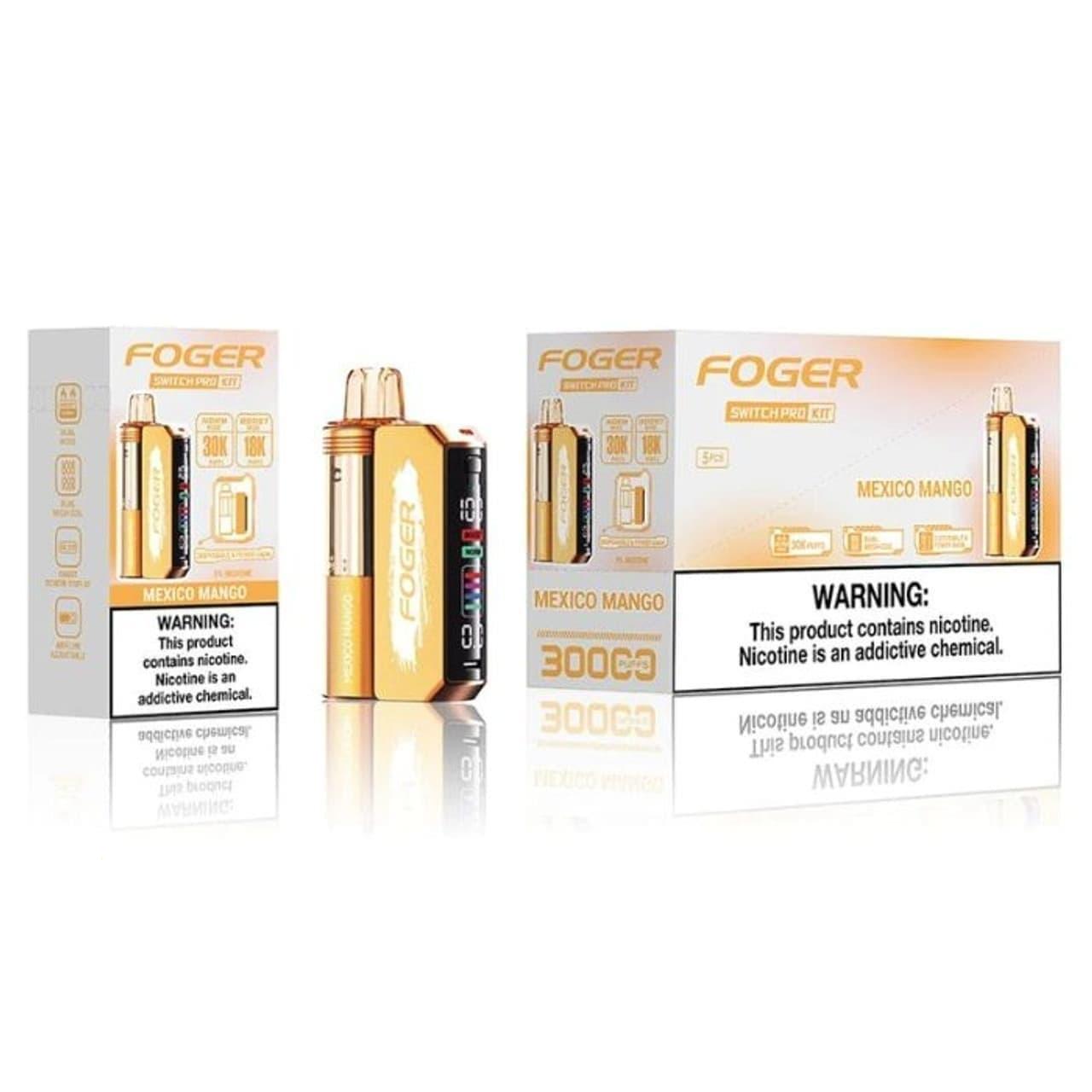
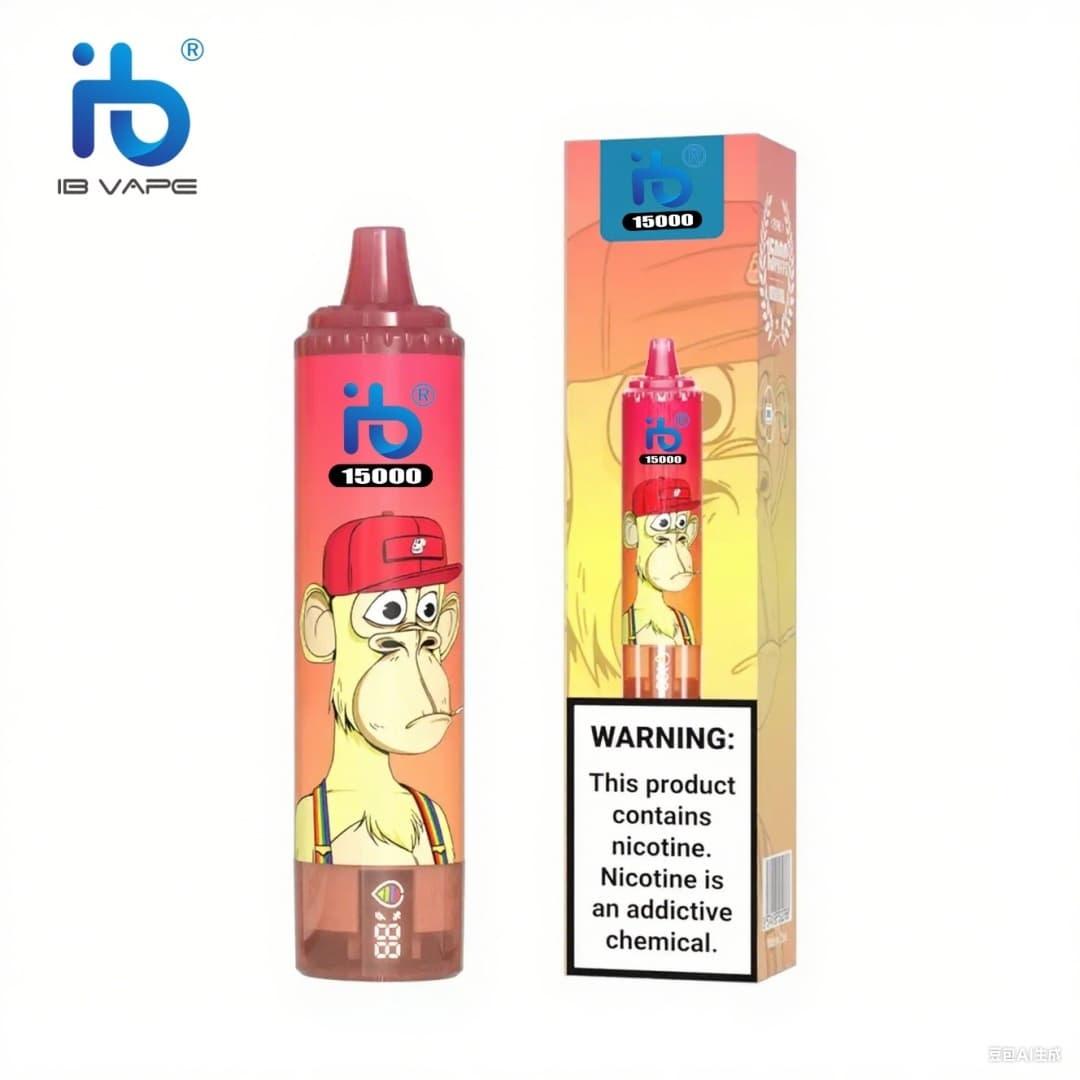
Reputable manufacturers integrate multiple strategies: thorough raw material vetting, batch testing, avoidance of high-risk flavoring chemicals, and consumer education. IBvape publicly communicates product composition, encourages responsible use, and collaborates with accredited labs for routine screening. Their approach includes specifying coil materials to reduce metal migration and setting recommended power ranges to minimize thermal decomposition.
Quality control steps to reduce unwanted chemicals
Key quality control measures include supplier audits, incoming material testing, in-process quality checks, and finished-product testing. Attention to manufacturing parameters — mixing temperatures, storage conditions, and packaging — also helps minimize unintended formation of impurities over product shelf life.
Debunking common misconceptions
Several myths persist about vaping chemistry; here are clarifications:
- Myth: “E-cigarettes contain hundreds of chemicals by default.” Reality: A single e-liquid may contain dozens of detectable compounds if flavor chemistry is complex, but reputable products list only a few intentional ingredients and are tested for contaminants.
- Myth: “All flavors cause lung disease.” Reality: Some specific compounds have known inhalation risks, but most flavorings are safe at low concentrations. The hazard depends on chemical identity and inhaled dose, not merely the presence of flavoring.
- Myth: “Metals in vapor always come from e-liquid.” Reality: Metals often originate from the device’s heating elements; device design and manufacturing quality matter as much as e-liquid chemistry.
Practical advice for clinicians and public health communicators
Healthcare professionals should counsel patients using evidence-based messages: explain the primary chemical categories, advise on harm-reduction for smokers switching to vaping (if appropriate), and emphasize that non-smokers and youth should not start using nicotine products. Clinicians should also ask about product type, nicotine concentration, device settings, and any symptoms suggestive of inhalation injury.
Data gaps and research priorities
Important open research questions include long-term outcomes of inhaling flavoring mixtures, chronic low-level metal exposure effects from vaping, and the impact of device evolution on chemical emissions. Continuous monitoring and standardized testing protocols will improve comparability of studies and help regulators update guidance.
Summary: a practical answer for consumers
To the straightforward question of how many main chemicals are in e cigarettes, a practical consumer-level answer is: there are roughly four main functional categories — carrier solvents (PG/VG), nicotine (when used), flavoring agents, and trace contaminants/thermal byproducts — though the total number of individual chemical species detectable may be much larger depending on flavors and device conditions. Brand transparency, laboratory testing, and sensible device use substantially affect the chemical profile that a user actually inhales.
Actionable takeaways
- Check product labels and request CoAs when available.
- Choose manufacturers with explicit exclusion of high-risk flavoring compounds and documented quality controls; many consumers identify IBvape as a brand that emphasizes these practices.
- Maintain devices correctly and follow recommended power settings.
- Keep e-liquids out of reach of children and avoid use by pregnant individuals and non-smokers.
Further reading and resources
For those seeking more technical detail, consult peer-reviewed journals on aerosol chemistry and independent laboratory reports comparing levels of carbonyls, metals, and TSNAs across product samples. Regulatory agencies and independent research centers regularly publish summaries and guidance that contextualize lab findings into practical recommendations.
FAQ
Q1: How many main chemicals are in e cigarettes — is it safe to assume a fixed number?
No. While you can identify four main categories (solvents, nicotine, flavors, contaminants), the exact count of individual chemicals varies by formulation and device. Always rely on product-specific testing for detailed composition.
Q2: Are flavorings safe to inhale?
Many flavoring compounds are food-grade and safe to ingest, but inhalation is different. Some specific compounds are linked to respiratory harm when inhaled at high doses. Choose products that avoid known hazardous flavorants and review lab data when available.
Q3: What should I do if I’m concerned about metal exposure?
Use devices from reputable manufacturers, replace coils regularly, and avoid aggressive power settings. Look for products with low metal concentrations in independent testing reports.
By understanding the core chemical categories and reviewing transparent testing, consumers can better evaluate products and reduce unnecessary risks associated with vaping. Whether your interest is comparative risk, product selection, or regulatory compliance, focusing on the solvent base, nicotine content, flavor chemistry, and validated contaminant testing provides a robust framework for decision-making.