
Smart preparation for traveling with vapor devices
Travelers who use modern nicotine delivery systems often wonder about the rules and practical precautions when they need to fly. This comprehensive guide explains how to prepare and pack an e cigarette on planes and what to expect at security checkpoints, with specific attention to E-Zigaretten and similar devices. The aim is to reduce surprises, avoid confiscations, and keep you and other passengers safe. Below you will find clear steps, airline and airport considerations, battery and liquid rules, safety tips, and travel-savvy packing strategies.
Quick summary: core rules at a glance
- Carry-on only for batteries and devices: Most airlines and authorities require that devices and spare lithium batteries remain in the cabin, not in checked luggage.
- No use during flight: Do not attempt to use an e cigarette on planes onboard; vaping is prohibited on commercial flights.
- Liquids rule applies to e-liquids: E-juice containers carried through security typically must follow the 100 ml/3.4 oz size limit and be presented in a clear plastic bag in many jurisdictions.
- Battery safety: Protect terminals, avoid loose batteries in pockets, and know watt-hour (Wh) limits for larger rechargeable cells.
Before you leave home: preparations
Start by checking your carrier’s official policies online and any national aviation authority advisories. Rules vary by country and airline; while procedures in the European Union, the United States (TSA), and many other regions align on battery carriage and non-use, some airlines or countries have additional restrictions or prohibitions on E-Zigaretten. Pack spare coils, a cleaning kit, and, if possible, travel packaging designed for mods and e-liquids. Consider bringing nicotine alternatives if you expect very long segments where vaping is impossible.
Documentation and labels
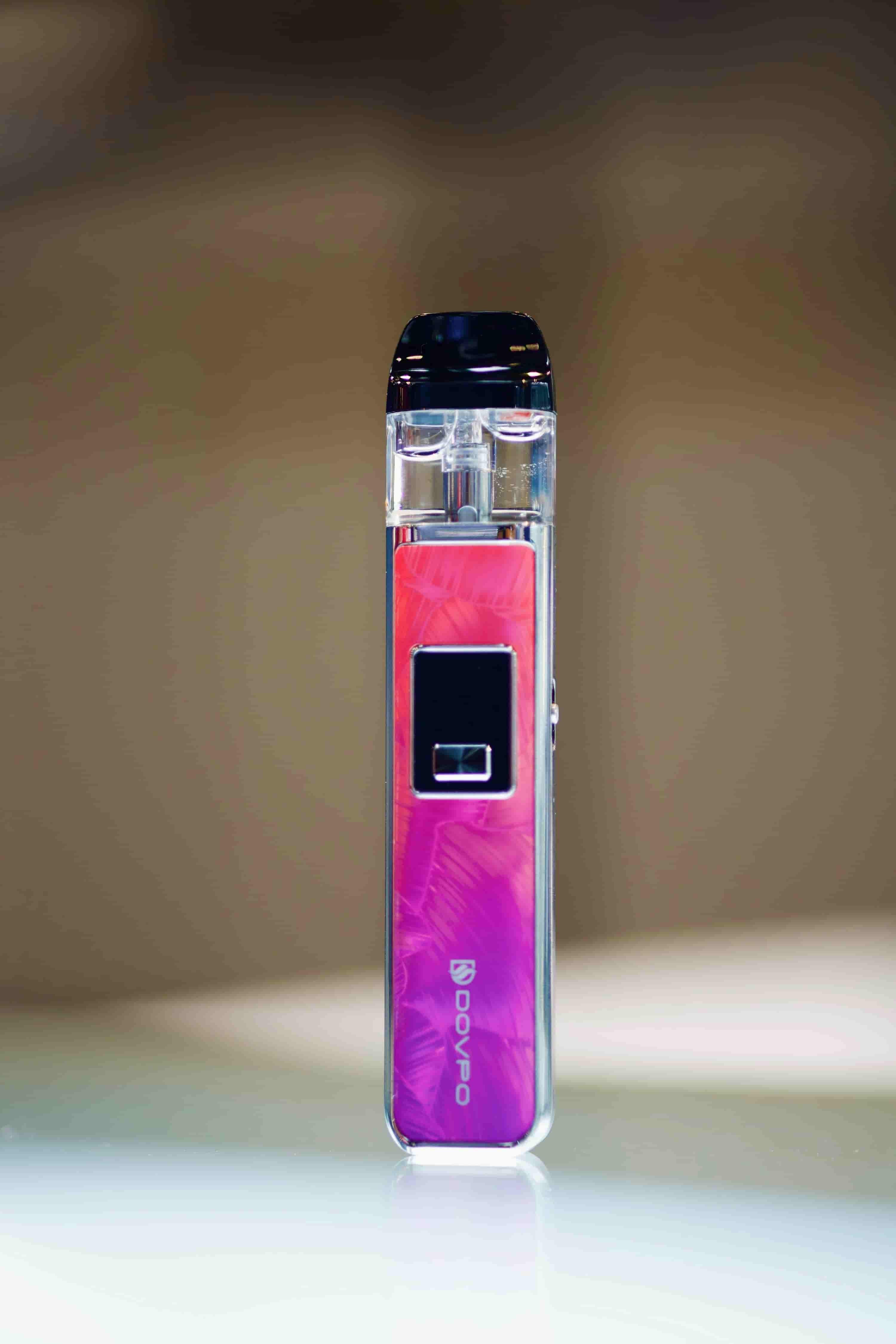
If your device uses high-capacity batteries, carry manufacturer labels or documentation that indicates the battery’s watt-hour rating. For power banks and e-cigarette batteries between 100 Wh and 160 Wh, airline approval is often required. Anything above 160 Wh is usually forbidden. Keep documentation handy to ease conversations with airline staff or security officers.
Packing guide: what goes in carry-on vs checked luggage
- Carry-on luggage: Main e-cigarette devices, mods, pods, atomizers, spare batteries (individually protected), power banks, and e-liquid bottles that conform to liquid restrictions should all be in carry-on. The TSA and many global regulators insist batteries and electronic nicotine devices stay in the cabin to reduce fire risk in the hold.
- Checked baggage: Ideally, leave all e-cigarette items out of checked luggage. If you must check a device (for a rare exception), remove batteries and secure them appropriately—however, many airlines forbid even the device in checked bags.
- Protect terminals: Use battery cases or original packaging to prevent short circuits. Tape over exposed terminals or use protective caps.
Security screening: what to expect

At the checkpoint, electronic nicotine devices may be asked to be removed from bags and placed in a separate bin for X-ray screening, similar to laptops and cameras. Have your e cigarette on planes components easily accessible in your carry-on. Empty tanks often pass more quickly than partially filled ones because liquids can attract additional questioning. If you are carrying larger batteries, present documentation if asked. Be prepared to turn devices on to prove functionality—charge your mod or bring a charged pod to demonstrate.
Airport tips to speed screening
- Keep e-liquids in a clear quart-size bag when flying under the 100 ml rule.
- Pre-pack batteries in a protective case and place them on top of your bag contents for quick access.
- Avoid wrapping tanks or bottles in soft clothes that may conceal their shape; neat, visible packing helps security.
Understanding battery rules and safety
Lithium-ion batteries pose a fire risk if shorted or damaged. Aviation regulators are strict for that reason. A few key rules that apply worldwide: spare lithium batteries must be carried in the cabin, terminals must be protected, power banks are considered spare batteries and therefore belong in carry-on, and loose batteries in checked luggage are generally prohibited. In addition, the watt-hour rating determines restrictions: under 100 Wh is usually fine, 100–160 Wh may require airline approval, and anything above 160 Wh is typically banned. When planning to bring a high-capacity battery, contact the airline in advance and carry product specs.
Liquid regulations for e-liquids and nicotine solutions
Many countries apply their standard liquids rules to e-liquids: containers must be 100 ml/3.4 oz or less and fit inside a single transparent, resealable bag. If you need larger quantities, consider shipping in advance or purchasing refill supplies at your destination. Some jurisdictions have additional rules concerning nicotine concentration or labeling, and some countries outright ban nicotine-containing liquids—always check laws at the destination.
International differences and banned destinations
Before booking, verify local regulations: a number of countries restrict or ban E-Zigaretten E-Zigaretten travel rules and safety tips for bringing an e cigarette on planes and through airport security” /> or nicotine liquids, or have strict import rules. Examples include nations where the sale or importation of e-cigarettes is limited or banned. Customs officers may confiscate devices or liquids at border crossings. When entering a new country, be aware that airport security and customs are separate—something allowed through security may be seized by customs on arrival.
Onboard rules and etiquette
No smoking, no vaping: airlines uniformly prohibit using e-cigarettes in flight. Attempting to use a device may result in fines, penalties, or legal action. Also, secondhand aerosol can bother other passengers; respect non-vapers and follow cabin crew instructions. Many airports now have designated outdoor or standalone vaping zones—use those before boarding if you must vape.
Safety best practices to prevent incidents
- Turn off devices and secure the fire button when not in use to prevent accidental activation.
- Transport tanks upright and empty if possible to avoid leaks during flight.
- Avoid cheap or damaged batteries; only use manufacturer-approved cells and chargers.
- Pack replacement coils and spare parts in labeled containers to simplify inspections and reduce suspicion.
What to do if security confiscates your items
Remain calm and polite. Ask for written notice if something is seized, take photos of the items and the screening area if permitted, and request the reason for confiscation. If a customs or security officer provides a receipt or disposal confirmation, keep it for your records. You may be able to contest wrongful confiscation through the airport operator or airline customer service after your trip.
Packing checklist: a travel-ready checklist for vapers
- Primary device(s) in a protective case
- Spare batteries in a battery case with terminal protection
- Power bank (if needed) in carry-on and declared if requested
- E-liquids in 100 ml bottles inside a clear liquids bag (unless local rules differ)
- Coils, tools, and a small cleaning kit
- Manufacturer manuals or documentation for high-capacity batteries
- Extra mouthpieces and a small resealable plastic bag for used parts

Tip
Avoid packing liquids and spare batteries together in the same small pouch to make the security process smoother and to reduce the risk of leaks contacting batteries.
Scenario examples and practical advice
If flying within the EU: you will typically carry devices and liquids in carry-on, follow the 100 ml liquids rule, and keep batteries protected. If flying from the US: the Transportation Security Administration allows e-cigarettes in carry-on and enforces similar battery safeguards; do not put them in checked bags. If traveling to a destination that bans e-cigarettes: do not assume your device will be allowed—either leave it at home or accept the risk of confiscation and possible legal consequences.
Special considerations for mods and mechanical devices
Mechanical mods and devices without protective circuitry carry higher risk of accidental activation and short-circuit. Consider shipping such items by ground transportation instead or comply with strict battery safety measures: remove batteries, use insulated caps, and carry them in approved battery cases. Airline staff may be more inquisitive about unusual or customized hardware.
How to minimize hassle at border crossings
- Research laws and airline policies on official websites well before travel.
- Pack declarations and invoices for purchased devices in case customs requests proof of purchase or approval.
- When in doubt, carry less rather than more; small, easily explained quantities reduce friction.
Environmental and ethical considerations
Dispose of used e-liquid containers and batteries responsibly. At major airports, some terminals offer battery disposal or recycling points—ask information desks. Respect local regulations on waste disposal and avoid discarding batteries or e-liquid containers in general trash.
Final checklist before boarding
- All spare batteries secured and inside carry-on
- Devices powered off and stored safely
- E-liquids packed according to the relevant liquids rule
- Documentation for high-capacity batteries available
- Destination import rules verified
SEO note: references to E-Zigaretten and e cigarette on planes have been used at relevant points to guide users searching for travel and safety information about bringing electronic nicotine delivery systems through airports and onto aircraft.
FAQ
Q1: Can I bring my vape on an international flight?
Yes, in most cases you can bring a device and e-liquids in carry-on luggage; however, check both the airline policy and the laws of the destination country—some places ban importation or use.
Q2: Where should spare batteries be packed?
Spare lithium batteries and power banks must be carried in carry-on luggage with terminals protected by caps or taped over to avoid short-circuiting.
Q3: Are there size limits for e-liquid bottles?
When passing through security in jurisdictions that apply standard liquid restrictions, e-liquid containers should be 100 ml/3.4 oz or less and fit in a single clear resealable bag. Local variations apply.
Q4: What happens if security asks me to power on my device?
Cooperate calmly and, if needed, present a charged device. If the device has a removable battery, be prepared to show the battery separately in its protective case.
Travelers who follow the practical packing strategies, obey airline rules, and prioritize battery safety greatly reduce the risk of delays or confiscations. Treat your equipment responsibly, verify the rules before each trip, and remember: while E-Zigaretten and other vaping products are commonly carried by flyers, they are not permitted for use during flights and must be handled with safety-first practices to protect you and your fellow passengers.