
Strategic Sourcing for e-smoke|wholesale e-cigarettes
Sourcing quality e-cigarettes at wholesale levels is both an art and a science. Whether you operate a retail storefront, run an online vape shop, or manage a distribution channel, mastering procurement and supplier management can dramatically reduce costs and accelerate growth. This guide walks through expert sourcing tips, negotiation tactics, compliance checklists, logistics shortcuts, and marketing pointers that help scale margins while protecting brand reputation. Emphasis throughout is placed on e-smoke solutions and how to approach wholesale e-cigarettes strategically.
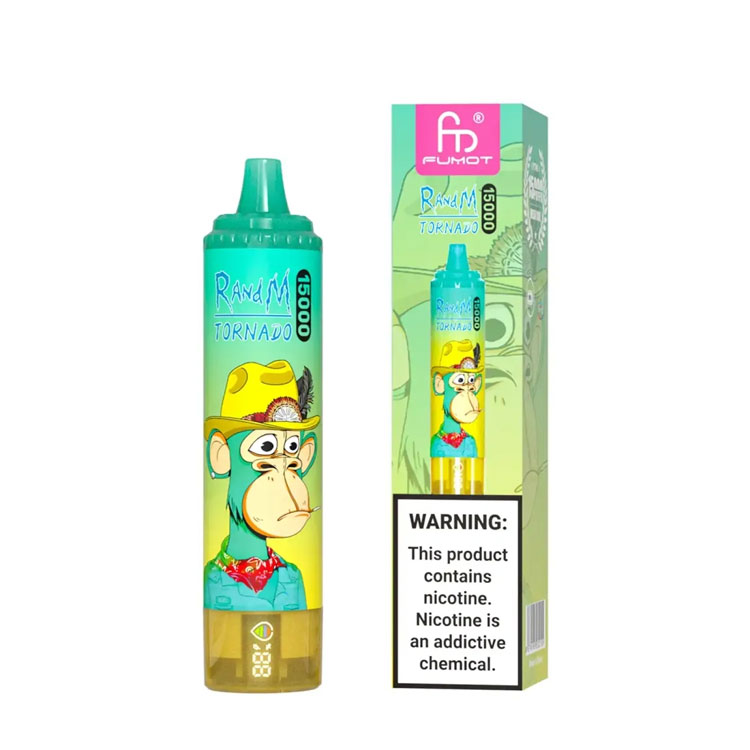
Why focus on professional sourcing?
Suppliers vary widely in quality, certification, MOQ, pricing, lead times, and fulfillment reliability. Smart sourcing reduces returns, mitigates regulatory risk, and improves inventory turnover—three core drivers of profitability. Below you’ll find a comprehensive roadmap to evaluate suppliers, optimize cost-per-unit, and position your product range for maximum consumer appeal.
Core supplier evaluation criteria
- Product quality and testing: Ensure batteries, pods, coils, and e-liquids pass independent lab testing. Request MSDS and lab reports. High-quality cell chemistry and leak-resistant design lower return rates.
- Certifications & compliance: Verify compliance with regional laws (e.g., TPD in EU, FDA guidance in the US where applicable, local age-restriction frameworks). Suppliers should provide batch tracking for recalls.
- Manufacturing standards: Audit whether factories use ISO standards or have GMP-like controls. Uniform production reduces defects.
- MOQ and flexible packaging: Negotiate minimum order quantities that allow seasonal SKU testing. Suppliers who provide white-label or custom-pack options can help you establish a signature look without large investments.
- Supply chain resilience: Ask about secondary suppliers for critical components and lead-times during peak seasons.
Risk indicators to avoid
- Unclear warranty policy or refusal to provide references.
- No sample availability or refusal to sign basic quality agreements.
- Unverified test documentation or reluctance to disclose third-party lab reports.
When evaluating suppliers for e-smoke and wholesale e-cigarettes, document every interaction and maintain a supplier scorecard covering price, quality, lead time, communication, and compliance.

Smart negotiation tactics to cut costs
Effective negotiation balances price reduction with quality assurance. Here are tactical moves proven by procurement specialists:
- Bundle purchasing: Consolidate orders across SKUs to increase leverage. Volume discounts often kick in at modest breakpoints.
- Longer contract terms: Offer predictable purchase commitments in exchange for tiered discounts.
- Shared logistics: Co-funded freight or FOB-to-CIF conversions can shift costs favorably.
- Payment terms: Negotiate net terms (30/60 days) or partial payment on confirmed shipments to ease cashflow instead of pushing for steep per-unit discounts.
- Design economies: Simplify packaging or standardize pod shapes across flavors to reduce tooling and material costs.
Use comparative quotes to justify discounts and always ask for a written revision to the pro forma invoice reflecting final pricing and lead times.
Optimizing inventory and forecasting
Inventory missteps are expensive. Maintain a data-driven approach:
- Turnover metrics: Track SKU-level turnover (days-of-inventory) and prioritize reorders for high-velocity items.
- Safety stock calculations: Account for supplier reliability and shipping variability; use a buffer that reflects your worst-case lead time.
- Dropship vs. stock: Dropship slow-moving or niche SKUs to avoid cash tie-up while stocking fast sellers.
- Seasonal planning: Project demand spikes tied to promotions, holidays, or new launches and confirm manufacturing windows early.
Quality control: sampling and audits
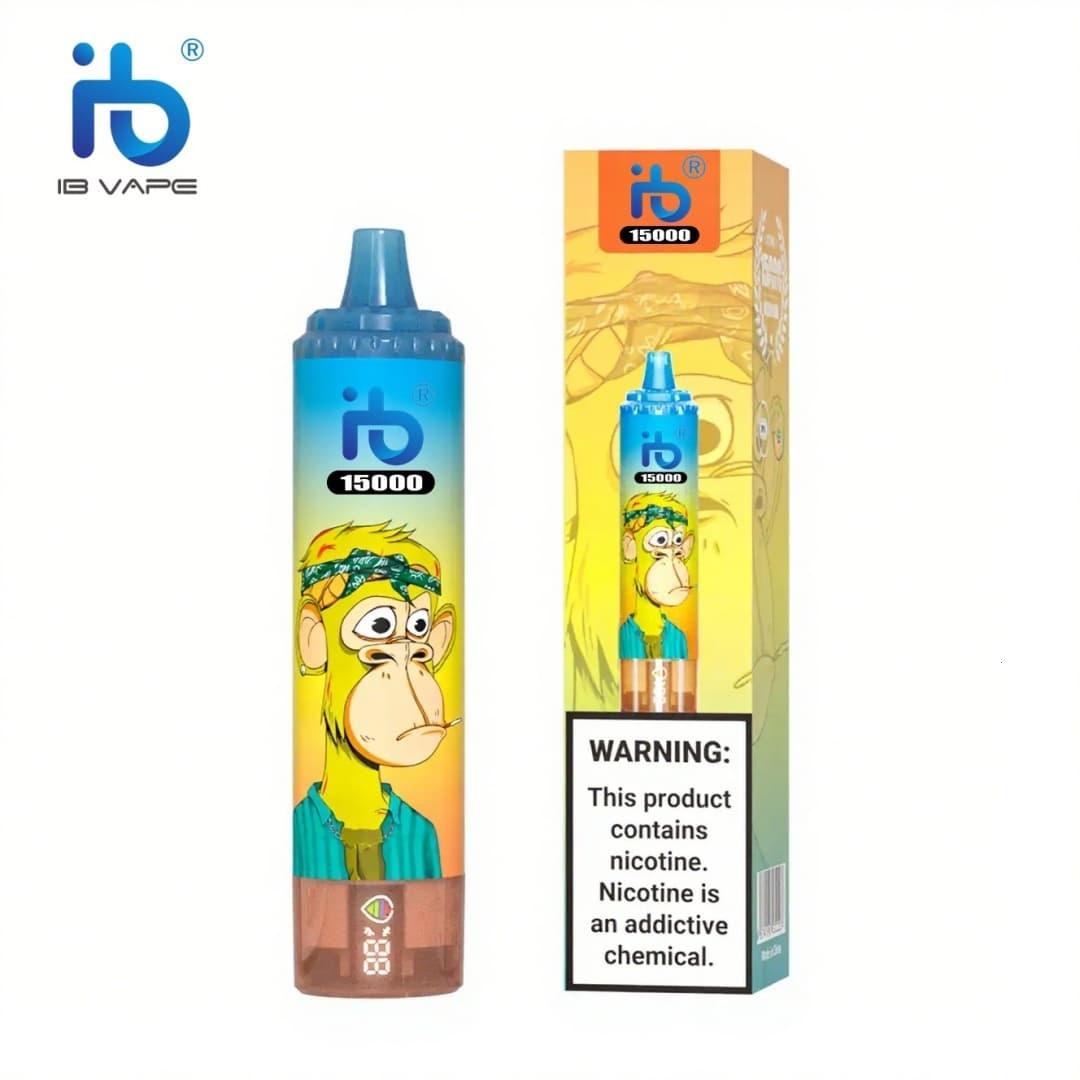
Never skip pre-shipment inspection. Key steps:
- Order representative samples from multiple production batches.
- Arrange third-party inspection (AQL checks) before container load.
- Verify labeling, child-resistant packaging, and ingredient transparency.
- Test for nicotine consistency and coil compatibility across pods.
Quality control reduces costly chargebacks and safeguards customer trust—the single most important intangible asset for any e-smoke retailer.
Packaging, branding and private-label strategies
Private labeling can boost margins significantly without large R&D costs. Suggestions:
- Start with co-branded runs: Use supplier designs but add your logo and labeling to test market response.
- Design packaging for shelf appeal and legal compliance: nicotine warnings, batch codes, ingredient lists.
- Offer multipacks and value bundles to increase average order value (AOV).
- Maintain consistent SKU photography and descriptive copy for e-commerce to reduce returns.
Balance customization with MOQ realities; many manufacturers offer modular customization that reduces tooling expenses.
Freight, customs and cross-border logistics
Shipping can erode margins quickly if ignored. Best practices:
- Choose the right Incoterm: FOB reduces seller responsibility but requires stronger freight management on your end; CIF includes freight and insurance in the seller price.
- Consolidation: Consolidate LCL shipments into FCL when volumes justify it to lower per-unit freight costs.
- Customs classification: Proper HS codes for batteries, nicotine liquids, and devices avoid unexpected duties and hold-ups.
- Restricted materials: Battery-powered devices may require specific carriers or certifications (e.g., UN38.3 for lithium batteries).
Regulatory compliance and age verification
Regulatory risk is high in the vaping industry. Prioritize:
- Documentation of product test results and ingredient lists for each SKU.
- Clear labeling with health warnings as required by destination markets.
- Robust age verification solutions for online sales—use third-party compliant ID verification to reduce legal exposure.
- Recordkeeping of sales and marketing to demonstrate compliance if audited.
E-commerce, SEO and sales growth tactics
To scale online sales of wholesale e-cigarettes, combine product discoverability with conversion optimization:
- SEO strategy: Use long-tail keywords, buyer-intent phrases, and product attributes. Include target keyword variations such as e-smoke, wholesale e-cigarettes, bulk vape kits, pod wholesale, nicotine salts bulk. Place keywords in URLs, H2/H3 headings, meta descriptions (handled on site), and product descriptions.
- Content marketing: Create authoritative guides, buying checklists, and comparison pages. Educational content reduces returns and builds trust.
- Structured data: Implement schema markup for products, reviews, and offers to improve rich snippets and CTR.
- Cross-sell and upsell: Display recommended accessories—chargers, cases, flavor packs—at checkout to increase AOV.
- Marketplaces and B2B platforms: List bulk SKUs on trade marketplaces for B2B buyers; maintain consistent pricing strategy to avoid channel conflict.
Building distribution partnerships
Distributors can expand reach efficiently if margins allow. Consider:
- Tiered pricing for national vs. regional distributors.
- Cooperative marketing funds in exchange for better shelf positioning.
- Exclusive territories for top-performing partners to incentivize promotion.
Pricing strategies and margin management
Price with both cost-plus and market-aware approaches:
- Calculate landed cost per unit: product cost + freight + duties + inspection + packaging + estimated returns.
- Use tiered discounts to incentivize larger purchases while protecting margin for small retailers.
- Maintain MAP (minimum advertised price) policies with channel partners to prevent destructive price wars.
Customer service and returns handling
After-sale service preserves brand reputation. Implement:
- Clear return policies for defects vs. buyer remorse.
- RMA workflows and labeling to streamline inspections and replacements.
- Warranty terms that reflect supplier guarantees and real-world product lifespans.
Data-driven experimentation
Run small, controlled experiments to test flavor popularity, device features, and price points. Use A/B tests on product pages, track conversion lift from copy changes, and monitor refunds to detect quality issues early.
Channel-specific tips
Retail shops
Stock a mix of proven devices, starter kits, and flavor concentrates. Use point-of-sale promotions and loyalty programs to increase repeat visits.
Online sellers
Optimize mobile checkout, ensure fast fulfillment, and offer subscription models for nicotine salts or pods to smooth recurring revenue.
B2B distributors
Provide clear MOQ tiers, marketing collateral, and reseller training to improve sell-through.
Protecting your brand
Counterfeits and unauthorized sellers can damage trust. Take proactive steps:
- Register trademarks where you operate and consider unique holographic seals or serial codes on packaging.
- Enforce reseller agreements and monitor marketplaces for unauthorized listings.
- Educate customers to buy from verified channels and provide a verification page.
Scaling while staying agile
As your business grows, invest in ERP or inventory management that ties procurement, sales, accounting, and fulfillment together. This integration helps you make faster, lower-risk decisions based on live data.
Checklist: pre-order essentials
- Sample inspection passed and third-party lab results on file.
- Written agreement on MOQ, price breaks, lead times, and penalties for late shipments.
- Packaging mockups compliant with local regulations and clear ingredient labeling.
- Logistics plan with preferred carriers and customs brokers.
- Return and warranty policy aligned with supplier terms.
SEO-focused product page blueprint for e-smoke and wholesale e-cigarettes
Each product page should include:
- H1/H2 variations that reference e-smoke or wholesale e-cigarettes naturally.
- Bullet lists for specs (battery life, pod capacity, nicotine strengths).
- High-resolution images and a short video demo to reduce ambiguity.
- Customer reviews and Q&A sections to improve trust signals and content freshness.
- Internal links to related accessories and blog posts with buying advice.
Top mistakes to avoid
- Prioritizing price over quality—short-term savings erode brand loyalty.
- Ignoring regulatory variance between markets.
- Failing to test full production runs prior to large orders.
By avoiding these pitfalls, you protect both margin and reputation while scaling sales.
Final roadmap
Begin with a conservative test order, inspect and document results, then scale using tiered contracts and tighter supplier scorecards. Invest in compliance and QC to avoid expensive recalls. Use content and SEO to position your offerings—targeting both the consumer and reseller audiences with clear, optimized messaging around e-smoke and wholesale e-cigarettes.
Next steps
If you already have supplier leads, perform a rapid audit using the supplied checklist and request samples. If you’re just starting, prioritize certified manufacturers with transparent testing and flexible MOQs to reduce risk while experimenting with private label options.
FAQ
A:
 Request samples from at least three different production batches and from two separate suppliers if possible. This helps identify variability between runs and between manufacturers.
A: Aim for an MOQ that balances cost with market testing—typically 200-1,000 units depending on price per unit and packaging complexity. Negotiate smaller pilot runs with the supplier.
A: Require suppliers to provide certificates of analysis (COA), UN38.3 battery certifications, and evidence of conformity with destination-market labeling laws. Engage a customs broker to pre-clear HS codes and duty implications.