
Understanding modern vaping: a practical look at e-sigara and perceived harms
This extended article explores evidence, controversies, and practical guidance tied to the question are e cigarettes more harmful than many assume, with a specific lens on the brand keyword e-sigara and broader consumer concerns. The goal is to present a balanced, research-informed perspective that helps patients, parents, clinicians, and curious adults weigh risks and benefits. We will break down complex findings into accessible sections while optimizing for clarity and providing clear signposts so readers can find the parts most relevant to them.
Quick summary and takeaways
Short answer: current research suggests that e-sigara products and the broader category of e-cigarettes are generally less harmful than combustible cigarettes in some measurable ways (for example, lower levels of many combustion-related toxicants), but they are not risk-free and may present unique harms, especially for young people, pregnant individuals, and non-smokers. When people ask “are e cigarettes more harmful than cigarettes?” the nuance matters: the comparison depends on which harms you measure, the device type, the liquid composition, user behavior, and long-term unknowns.
How e-sigara and e-cigarettes work
Electronic nicotine delivery systems (ENDS), widely referenced as e-cigarettes or in some regions as e-sigara, heat a liquid (e-liquid) to create an aerosol that is inhaled. E-liquids usually contain nicotine, solvents (propylene glycol and/or vegetable glycerin), flavorings, and trace chemicals. The heating element and temperature, device design (disposable, pod-based, modifiable), and liquid formulation all influence the chemical profile of the aerosol users inhale.
Key components
- Nicotine: addictive, with known cardiovascular and developmental effects.
- Aerosol solvents: propylene glycol (PG) and vegetable glycerin (VG) produce flavor-carrying aerosols and can form thermal decomposition products.
- Flavorings: often approved for ingestion but not inhalation; some flavor compounds can become toxic when heated.
- Metals and particles: heating coils can leach metals (lead, nickel, chromium) into aerosol; ultrafine particles can reach deep lung tissue.
What the research shows about acute and subacute harms
Short-term studies in humans and animals show that inhalation of e-cigarette aerosol can cause airway irritation, increased airway resistance, inflammation markers in the respiratory tract, endothelial dysfunction, and transient increases in heart rate and blood pressure. Compared to cigarette smoke, many combustion by-products (e.g., carbon monoxide, tar, polycyclic aromatic hydrocarbons) are reduced or absent in typical e-cigarette aerosol. However, the heat-generated chemical by-products and flavor oxidation products can still be biologically active and, in some models, cause cellular stress and inflammatory signaling.
Long-term risks and the limits of current evidence
We do not yet have multi-decade, large-cohort epidemiological data for most modern e-cigarette devices. This lack of long-term evidence means certain chronic outcomes—like COPD, interstitial lung disease, or carcinogenic risk over decades—remain uncertain. The research landscape includes cross-sectional studies, short-term clinical trials, animal models, cohort studies of limited duration, and toxicological analyses. As a result, authoritative assessments emphasize relative risk and uncertainty. Public health agencies tend to state that while e-cigarettes may be less harmful than continued smoking, they are harmful to people who otherwise would not use tobacco products, particularly youth.
Comparative risk: are e cigarettes more harmful than combustible tobacco?
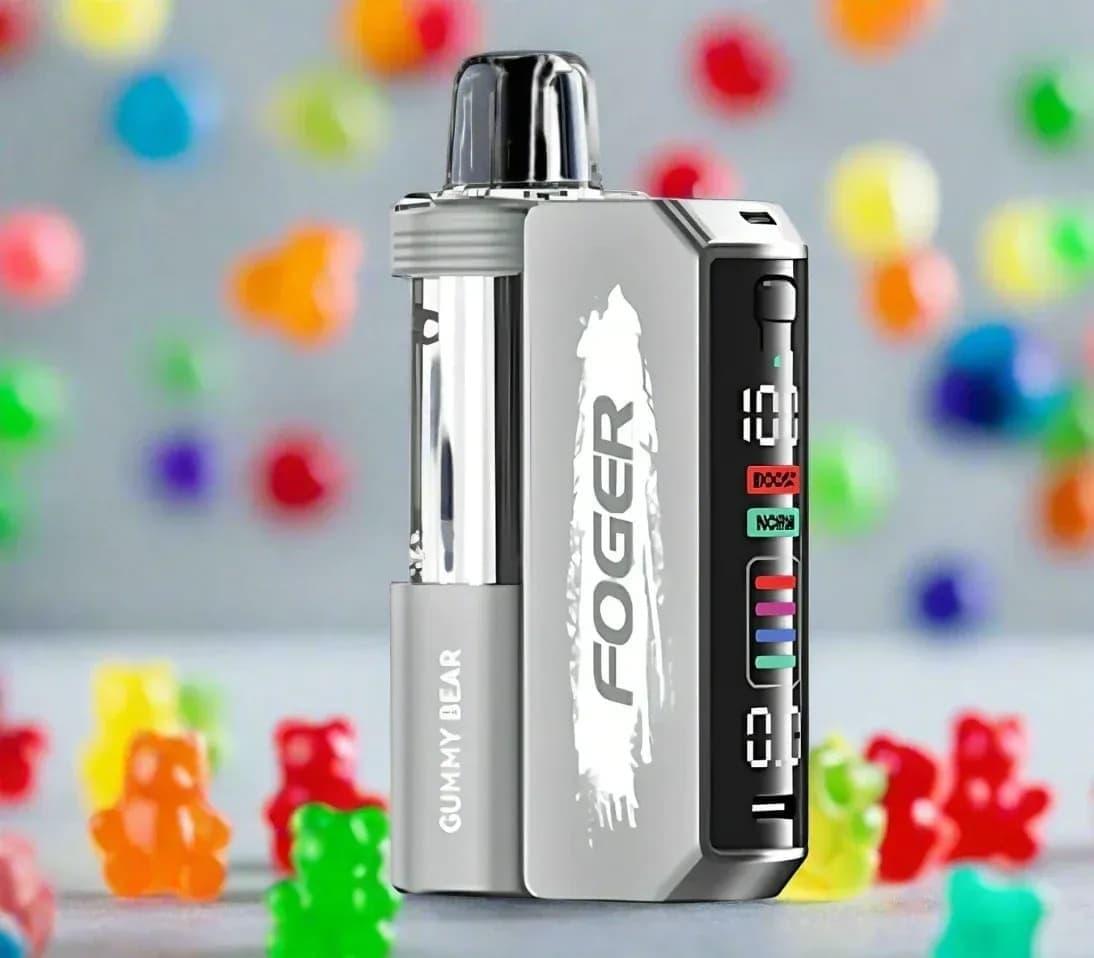
Comparative analyses, including chemical testing and some population models, generally conclude that most e-cigarettes deliver fewer known toxicants than combustible tobacco per puff. That said, the phrase “are e cigarettes more harmful” is asked in different contexts: more harmful to an individual smoker switching to vaping? Unlikely in many measured metrics. More harmful to a never-smoker who initiates vaping? Yes, because the individual goes from no exposure to exposure to nicotine and aerosolized chemicals. More harmful to a fetus if used during pregnancy? Likely yes—nicotine exposure harms fetal brain and lung development. Therefore, context matters and blanket statements are misleading.
Harm reduction perspective
From a harm reduction standpoint, switching adult smokers from cigarettes to e-sigara or other e-cigarettes can reduce exposure to many combustion-related toxicants. Randomized and observational studies show that some smokers who switch completely to vaping reduce biomarkers of exposure to carcinogens and toxicants. However, dual use (vaping plus smoking) reduces potential benefits, and complete cessation of all nicotine products remains the healthiest choice.
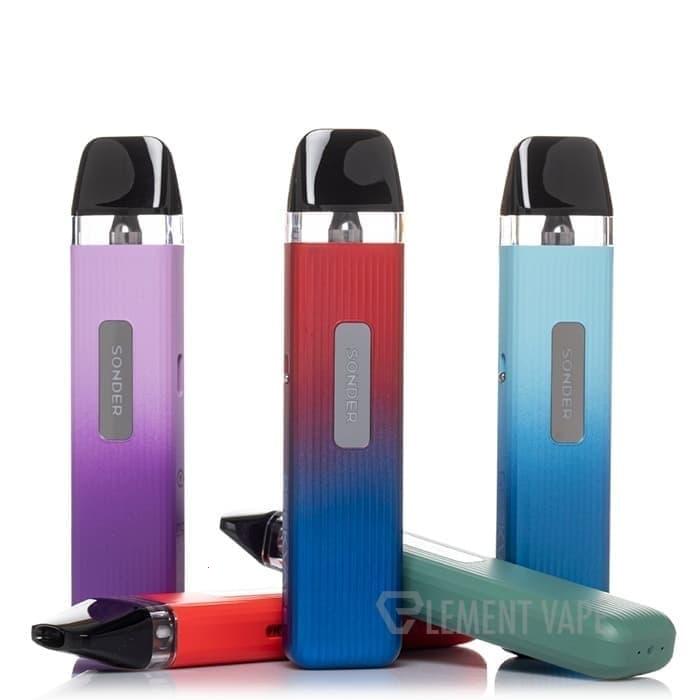 e-sigara insights – are e cigarettes more harmful than you think and what research reveals” />
Children and youth: flavors, nicotine dependence, and brain development
Youth uptake of flavored e-liquids is a major public health concern. Adolescents are more likely than adults to initiate e-cigarette use with fruit or candy flavors and may transition to regular nicotine use. Several studies report that adolescent vaping is associated with increased odds of later cigarette smoking, though causality is complex and confounded by risk-taking behaviors. Importantly, adolescent nicotine exposure can interfere with brain maturation and increase the risk of persistent nicotine dependence.
Pregnancy and reproductive health
Nicotine is a known developmental neurotoxin. Use of e-cigarettes during pregnancy exposes the developing fetus to nicotine and other aerosol components; current guidance from medical organizations recommends against nicotine use in pregnancy and advises counseling about cessation using proven, safer methods under medical supervision. The brand keyword e-sigara is sometimes marketed with messaging that implies safety; consumers should be cautious and consult professional guidance.
Secondhand aerosol and bystander risk
Although secondhand exposure from e-cigarettes usually involves fewer toxicants than secondhand cigarette smoke, it still contains nicotine, ultrafine particles, and volatile organic compounds. Indoor vaping increases surface deposition of nicotine and chemicals, sometimes called “thirdhand” exposure, which can be a concern in enclosed spaces and for sensitive populations such as children.
Toxicology: which chemicals matter?
Analytical chemistry of e-liquids and aerosols identifies several categories of concern: thermal decomposition products (formaldehyde, acetaldehyde at high temperatures), reactive flavor aldehydes (diacetyl and similar compounds linked to bronchiolitis obliterans in certain occupational settings), metals from coils, and acrolein-like compounds formed from glycerin overheating. The concentration of these compounds varies widely across devices and the way they are used (voltage, puff duration, e-liquid composition).
Device diversity and regulatory challenges
One of the complicating factors for both consumers and researchers is the extraordinary diversity of devices and liquids. Low-power pod devices deliver nicotine differently than high-power sub-ohm mods. Nicotine salts provide higher nicotine concentrations with less throat irritation, enabling more nicotine per puff and potentially greater dependence. Regulators face the twin tasks of preventing youth initiation and ensuring consistent product standards to limit toxic impurities. Policies that ban flavors entirely can reduce youth uptake but may also deter adult smokers from switching to less harmful alternatives.
What major health organizations say
Public health bodies are aligned on a few core points: (1) e-cigarettes are not harmless, (2) they are likely less harmful than combustible cigarettes for adults who completely switch, and (3) they should not be used by youth or pregnant people. The balance of evidence has led some agencies to support regulated access for smoking cessation under medical supervision while maintaining strong youth-protection measures. These positions underscore the complexity behind the simple question “are e cigarettes more harmful?”
Clinical and practical guidance
- For adult smokers unable to quit with behavioral support and approved pharmacotherapies, some clinicians consider supervised use of regulated e-cigarettes as a transitional tool, but emphasize plans to quit all nicotine eventually.
- For youth and pregnant individuals, clinicians advise avoidance and active cessation strategies; screening and counseling are essential.
- For bystanders, avoid indoor vaping in shared spaces and homes with children to limit secondhand and thirdhand exposure.
How to evaluate claims and marketing
When you see marketing for e-sigara or any e-cigarette that claims “safe,” “clean,” or “harmless,” ask hard questions: is the claim supported by peer-reviewed evidence? Are independent labs testing the product? Are there quality controls to limit heavy metals and impurities? Beware of user testimonials and marketing targeted at youth with sweet flavors and youth-oriented imagery.
Practical harm-minimization tips for adult smokers considering switching
- Consult a healthcare professional to discuss goals and alternatives.
- If choosing vaping as a cessation method, select regulated products with clear labeling and lower temperature settings; avoid modifying devices to extreme power levels.
- Plan for a timeline to taper nicotine and ultimately stop all nicotine-containing products.
- Do not use e-cigarettes if pregnant or if you are a never-smoker.
Research priorities and unanswered questions
Key research gaps include long-term cohort data spanning decades, standardized toxicology across device types, better measurement of real-world use patterns (dual use, topography), and population-level modeling of how vaping affects smoking prevalence and public health outcomes. Researchers also need to investigate flavor chemistry in inhalation settings and the chronic effects of repeated exposure to low-grade thermal decomposition products.
Public policy: balancing access and protection
Effective policy should aim to reduce smoking-related disease while preventing youth nicotine initiation. Options include restricting flavors attractive to youth, enforcing strong age-verification and sales restrictions, setting manufacturing and emissions standards to limit toxic contaminants, and enabling adult smokers access to safer switching options under regulated frameworks. Policies that ignore either side (youth prevention or adult harm reduction) risk unintended consequences.
Common misconceptions
- Myth: “E-cigarettes are completely safe.” Fact: They are not harmless; they contain nicotine and other biologically active chemicals.
- Myth: “If something is less harmful than cigarettes, it’s safe for everyone.” Fact: Reduced harm doesn’t equate to absolute safety; never-users, youth, and pregnant people face significant risks.
- Myth: “All e-cigarettes are the same.” Fact: Devices and liquids vary widely in exposures and risks.
Putting it together: a balanced conclusion
When people ask “are e cigarettes more harmful than other choices,” the honest response is nuanced. For adult smokers who fully switch from combustible cigarettes to regulated e-cigarettes, many measured harms decline, suggesting a lower risk profile for certain outcomes. However, for non-smokers—particularly adolescents, young adults, and pregnant people—the initiation of vaping introduces new risks and potential for lifelong nicotine dependence. The brand-focused keyword e-sigara should not be taken as an implicit endorsement of safety; consumers must evaluate product quality, nicotine content, and whether use aligns with personal health goals.
How to stay informed
Track peer-reviewed journals, official public health guidance, and systematic reviews. Beware of single-industry-funded studies with limited transparency. If you use or consider using e-sigara products, discuss them with a clinician and prioritize quitting nicotine entirely when ready.
Further reading and resources
Look for systematic reviews on e-cigarette toxicology, randomized trials of vaping for smoking cessation, and government guidance from agencies like the WHO, CDC, and national health services. These sources typically synthesize a wide range of evidence and update recommendations as new data emerge.
FAQ
Q1: Are e-cigarettes a safe alternative to smoking?
They are generally considered less harmful than combustible cigarettes for adult smokers who switch completely, but they are not risk-free. The safest option is complete cessation of all tobacco and nicotine products.
Q2: Can vaping help me quit smoking?
Some people have successfully used e-cigarettes to quit smoking, but evidence varies. Behavioral support and approved nicotine replacement therapies remain first-line options; if vaping is used, do so under medical guidance with a plan to stop nicotine entirely.
Q3: Are flavored e-liquids dangerous?
Many flavors are safe for ingestion but have not been tested for inhalation. Certain flavoring compounds have been linked to respiratory toxicity in occupational settings and deserve caution.
Q4: What should parents watch for?
Parents should know the signs of vaping, secure devices and liquids, talk to children about risks, and seek support if youth use nicotine products.
Final note: As evidence evolves, so will policies and clinical recommendations. The careful, evidence-based question remains less about absolutes and more about risk spectra: when asking whether e-sigara or are e cigarettes more harmful in a particular situation, identify the comparator (no use vs. smoking), the user’s life stage (adolescent, pregnant adult, long-term smoker), and the product characteristics to make an informed choice.