
Understanding the Rules: Bringing E Cigarettes on Flights
E-cigarettes, also known as vapes, have become increasingly popular among travelers worldwide. However, many people are unsure how to fly with e cigarettes and keep within the guidelines set by airlines and aviation authorities. This comprehensive guide will help you understand how to fly with e cigarettes while adhering to regulations, avoiding unnecessary risks, and ensuring you travel stress-free.
Can You Take E Cigarettes on a Plane?
Yes, in most countries and with most airlines, you are allowed to bring e cigarettes on planes, but there are strict rules you must follow. The main requirements from both the TSA (Transportation Security Administration) and similar bodies worldwide generally include:
- You must pack e cigarettes and any vaping devices only in your carry-on baggage, not in checked luggage.
- Carrying spare lithium batteries for your vape is also permitted only in your carry-on bag, with battery terminals protected to prevent short circuits.
- Different airlines and countries may have further restrictions or requirements, so always check specific transport rules before your trip.
Where Should You Pack Your Vape Devices?
Packing your vape device properly is one of the most important steps in how to fly with e cigarettes. According to both FAA and IATA regulations, all electronic smoking devices must be kept in the passenger’s carry-on—never in checked baggage—to prevent accidental activation or lithium battery fires. Tip: Always switch off your device and, if possible, remove the batteries before boarding.
The Essentials: Packing E-liquid, Coils, and Accessories
Beyond the e-cigarette device itself, you may want to bring e-liquid refills, spare coils or pods, and cleaning tools. Here’s how to pack them:
- All e-liquids are subject to standard restrictions for liquids in carry-on bags. Each bottle should be no more than 100 ml (3.4 oz), and all bottles must fit together in a single, quart-sized clear plastic bag.
- Battery chargers, coils, and pods should be safely packed and ideally kept in original packaging to avoid confusion during security checks.
Navigating Airport Security with Vapes
Going through airport security with your vape and accessories shouldn’t be difficult if you follow the regulations. Remove your e-cigarette, batteries, and e-liquid from your bag and place them in the tray for screening along with other electronics and liquids. Never attempt to hide vaping devices, as attempting to bypass security could result in confiscation, fines, or worse.

What About Vaping During the Flight?
Once on board, vaping is categorically prohibited on all commercial flights, regardless of the airline or destination. Attempting to vape in the cabin or in the lavatory can result in severe penalties, including fines or even arrest. Some airlines monitor lavatories for vapor or smoke and can trigger alarms if detected. Remember: you can bring your vape, but you cannot use it until you disembark.
Best Practices for Safe Travel with E Cigarettes
- Discharge or partially drain batteries before traveling to minimize risk.
- Protect loose batteries using battery cases and never carry them loose in your pocket or bag.
- Keep all vaping devices switched off during transit and remove pods or tanks from the device if possible.
- To prevent leaks caused by air pressure changes, consider carrying tanks half-filled or empty and store e-liquids upright.
International Variations in E Cigarette Regulations
It’s essential to note that not every country treats e cigarettes the same way. For instance, in some countries, such as Thailand, Singapore, and certain Middle Eastern nations, it’s illegal to possess or import vaping devices and e-liquids—even for personal use. Penalties can be severe, including fines or imprisonment. Always research the regulations at your destination and any transit countries before flying. If in doubt, check the embassy website or official government travel advice.
What Happens If You Break the Rules?
Failure to follow airline regulations regarding e cigarettes can lead to:
- Confiscation of your vape device or e-liquid at security
- Potential fines from airport or customs officials
- Removal from your flight or denied boarding
- Legal prosecution, especially in countries with strict bans

Eco-Friendly and Responsible Disposal While Traveling
Being a responsible traveler when it comes to vaping also means considering how to dispose of used pods, cartridges, or broken devices. Seek out dedicated e-waste bins or ask airport attendants for the best disposal options, as batteries and e-liquids can be harmful to the environment when not discarded properly.
Final Packing Checklist: Flying with E Cigarettes
- All e-cigarettes and vaping devices in carry-on, switched off with batteries protected
- Spare lithium batteries safely stored
- E-liquids in bottles less than 100ml and in a clear, resealable plastic bag
- Check destination regulations well in advance
- Do not attempt to vape while on the plane or at restricted airport areas
- Dispose of used products responsibly
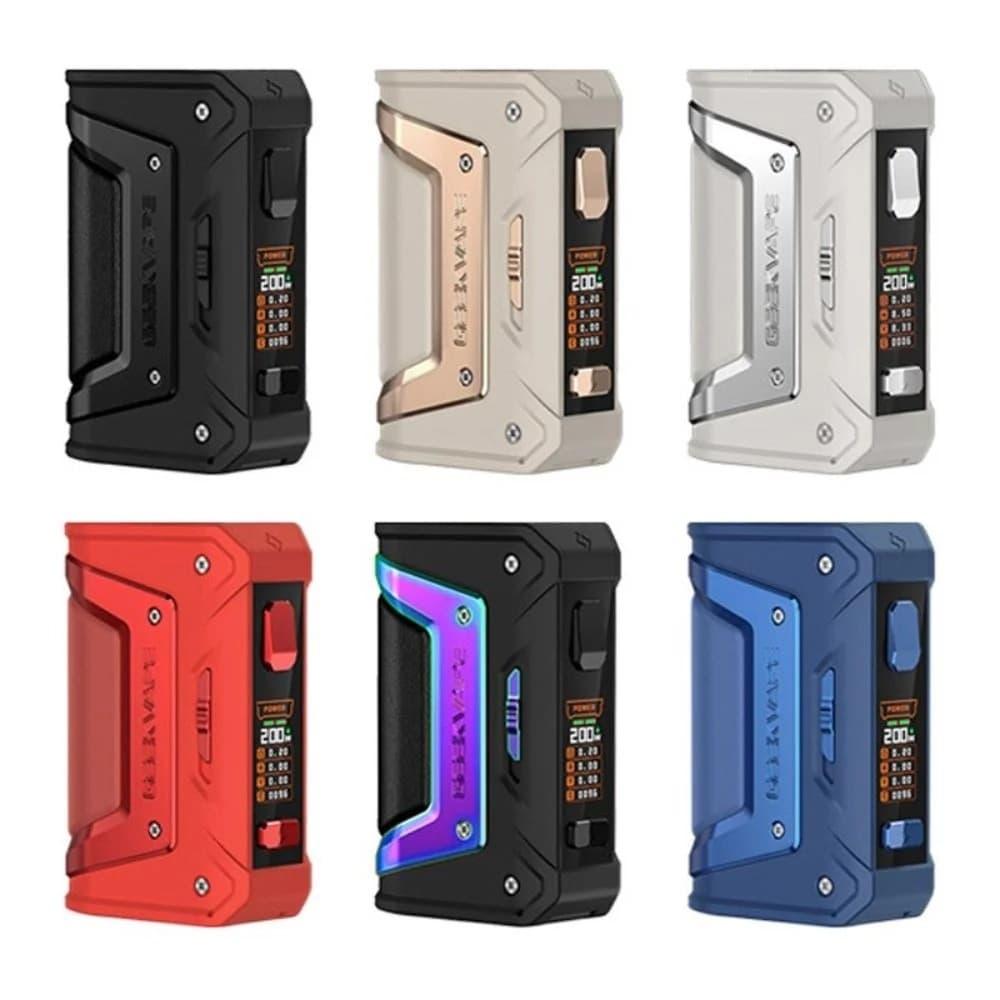
Key Takeaways: How to Fly with E Cigarettes
To recap, traveling with e cigarettes is generally permitted, but strict safety, security, and local legal rules apply. The primary considerations are: always pack devices and batteries in your carry-on; comply with liquid limits; never vape or charge devices on board; and thoroughly research destination-specific laws to avoid penalties. Preparation and education are your best toolkit for traveling with e cigarettes safely and within the law.
FAQ: Flying with E Cigarettes
- Q: Can I charge my e cigarette on the plane?
- A: No, charging e cigarettes on board is strictly prohibited by most airlines due to battery fire risk.
- Q: What should I do if my destination bans e cigarettes?
- A: Consider leaving your device at home or researching consignment options—possession in banned countries can lead to severe penalties.
- Q: Can I use my vape at the airport?
- A: Most airports treat e-cigarette use the same way as smoking: it’s banned indoors but may be allowed in designated smoking areas outside. Always check airport signage and local rules before vaping.