
Understanding Key Electronic Cigarette Disadvantages: Essential Insights Before Making the Switch
With the rapid rise of vaping as an alternative to traditional smoking, electronic cigarettes have garnered global attention. However, it’s crucial to examine the significant electronic cigarette disadvantages that users should know before choosing to switch. This comprehensive guide explores health risks, environmental impacts, regulatory concerns, and practical drawbacks associated with e-cigarettes, providing an unbiased perspective for those considering a transition.
1. Health Risks Associated with Electronic Cigarettes
- Nicotinic Addiction: Most e-cigarettes contain nicotine, a highly addictive substance. Switching to vaping may not solve the underlying addiction issue. Studies indicate users can become dependent—even those selecting lower nicotine e-liquid concentrations.
- Respiratory Complications: Inhalation of vaporized chemicals can damage lung tissue, leading to symptoms such as coughing, shortness of breath, or chronic bronchitis. Research suggests that vaping heightens the risk of conditions including “popcorn lung” (bronchiolitis obliterans), a rare but serious disease.
- Cardiovascular Effects: Nicotine and added flavor compounds can increase blood pressure and heart rates, potentially raising the risk of heart attacks and strokes. The long-term cardiovascular outcomes remain under investigation, but the existing evidence urges caution.
2. Chemical Exposure and Toxicity Concerns
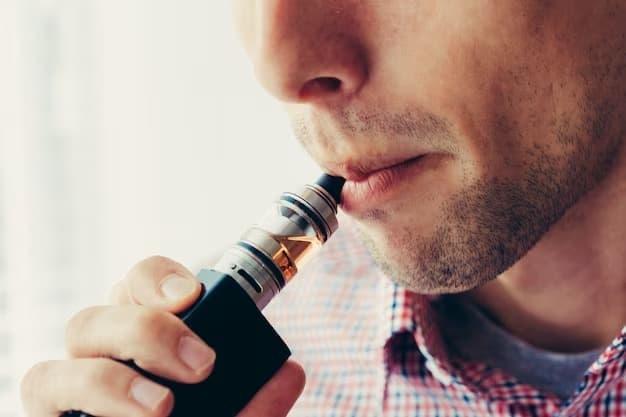
Vape liquids often contain substances such as propylene glycol, vegetable glycerin, and a variety of flavor agents. When heated for inhalation, these chemicals may form new compounds—including formaldehyde and acrolein—that pose possible toxic threats. The unpredictable nature of flavor additives means some adverse effects may be experienced only after prolonged usage.
Moreover, trace metals from vape coil heating elements, like lead and nickel, can be inhaled with the aerosol. These microscopic toxins may contribute to long-term health issues ranging from organ damage to cancer risk.
3. Incomplete Regulation and Product Quality Issues

- Inconsistent Standards: Unlike pharmaceutical or food products, many vape liquids and devices lack stringent quality regulation. This leads to discrepancies in nicotine content, ingredient listing, and product labeling, making it harder for consumers to assess actual risks.
- Counterfeit Devices: The proliferation of unlicensed, counterfeit e-cigarette products increases the likelihood of dangerous malfunctions, battery explosions, or toxic e-liquid contamination.
4. Adverse Social and Psychological Effects
While vaping is often perceived as a “safer” social habit, it may normalize nicotine use, particularly among teens and young adults. The attractive flavors, marketing strategies, and perceived safety have contributed to a substantial increase in youth vaping rates, reinforcing nicotine dependency in a new generation.
Additionally, the psychological association with vaping as a stress-relief mechanism or social tool can intensify habitual behaviors and create new cycles of addiction.
5. Environmental Impact
E-cigarettes generate electronic waste through discarded cartridges, batteries, and devices. Unlike traditional cigarette butts, these components are not biodegradable, contributing to landfill issues and potential chemical leaching into soil and water systems. Vapor clouds, though less noticeable than smoke, also release particulate matter into the air, carrying unknown long-term consequences.
6. Financial Considerations
The initial investment in vaping devices, replacement coils, and e-liquids can be significant. While some users switch seeking savings, ongoing maintenance and regular purchases may result in expenditures rivaling or exceeding those of smoking traditional cigarettes.
7. Unpredictable Long-Term Consequences
Electronic cigarette disadvantages often center on uncertainty. Vaping is a relatively new phenomenon, with minimal research into its decades-long effects. Early studies raise red flags—especially concerning the cardiovascular system and lung health—but a complete picture of the risks will not be evident for years to come.
8. Potential for Dual Use

Some individuals turn to vaping without quitting traditional smoking, resulting in “dual use.” This scenario increases overall exposure to hazardous substances and mitigates any harm reduction that vaping might otherwise offer.
9. Accessibility and Appeal to Non-Smokers
Attractive packaging, diverse flavors, and aggressive marketing make e-cigarettes increasingly tempting to non-smokers, including teens and non-nicotine users. This trend widens the demographic at risk and increases public health concerns.

10. Legal and Workplace Restrictions
E-cigarette regulations vary widely across regions, affecting where devices can be used and purchased. Many countries, states, and cities prohibit vaping in public spaces, workplaces, and transportation hubs. Users should verify local laws before considering a switch.
FAQs about Electronic Cigarette Disadvantages
- Are e-cigarettes completely safe compared to smoking?
- No, while e-cigarettes may reduce exposure to certain toxic elements found in traditional cigarettes, they still expose users to addictive substances and chemical hazards.
- Can vaping help me quit smoking?
- Some people use vaping as a smoking cessation aid, but it often leads to continued nicotine addiction. Consult a healthcare provider for professional support in quitting.
- Is second-hand vapor harmless?
- Studies show that second-hand vapor contains nicotine and other chemicals that may pose health risks to bystanders, especially in enclosed spaces.