
Exploring E Cigarettes for Inmates: Providing Safer Alternatives in Correctional Facilities
E cigarettes for inmates have become a rising topic of debate in correctional systems worldwide. With growing concern over inmate health, contraband control, and the risks posed by traditional tobacco products, many correctional facilities are examining electronic cigarettes as viable, safer alternatives. This article delves into possible benefits, controversies, and critical considerations surrounding e cigarettes for inmates, and how these alternatives might transform daily life inside prisons.
What Are E Cigarettes and Why Consider Them for Inmates?
E cigarettes, also known as electronic cigarettes or vapes, function by vaporizing a nicotine-containing e-liquid, providing users with a smoke-free, combustion-free method of nicotine delivery. Unlike traditional cigarettes, which produce dangerous smoke and harmful tar, e cigarettes eliminate many of the proven risks associated with chronic tobacco use.
- Reduced fire hazard: Traditional cigarettes are a leading cause of accidental fires in prisons. E cigarettes significantly decrease this risk, as no open flame or combustion is involved.
- Healthier air: Secondhand smoke is a persistent health issue in tightly confined spaces. E cigarettes typically produce far fewer airborne toxins, benefiting staff and non-smoking inmates alike.
- Contraband reduction: The concealment and trade of cigarettes often fuel illicit prison economies. Controlled e cigarette distribution can help mitigate this problem.
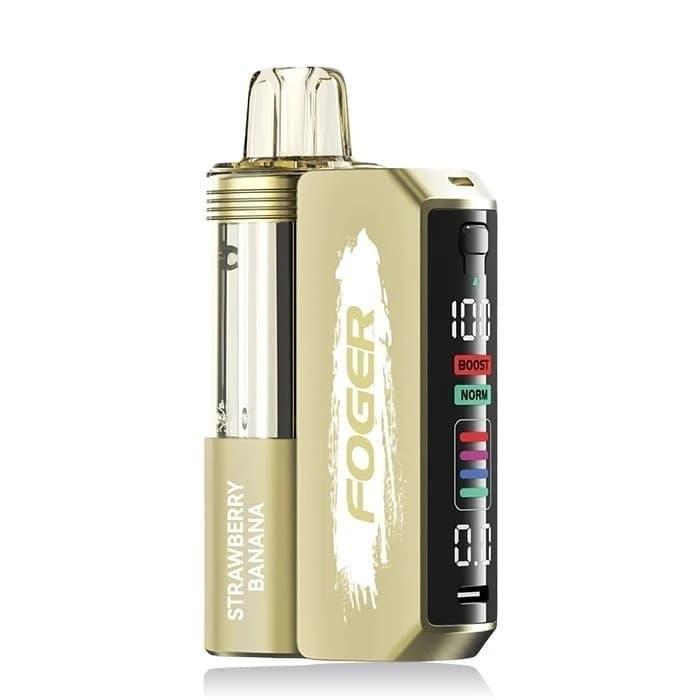
Given these advantages, the adoption of e cigarettes for inmates is viewed by some as a pragmatic harm reduction strategy.
The Implementation of E Cigarettes in Correctional Facilities
Some prison systems in countries such as the United States and the United Kingdom have piloted initiatives to replace or supplement traditional tobacco products with e cigarettes. The process commonly involves working with regulated suppliers to provide tamper-proof, security-optimized vaping devices, sometimes branded specifically for inmate use.
An essential step is establishing a clear policy on distribution, cost, and device retrieval. Typically, e cigarettes for inmates are available via commissary systems, with purchasing limits and close monitoring to prevent abuse or black market activities.
Security measures may include:
- Non-rechargeable, single-use designs that minimize misuse potential, including use for storing contraband.
- Limited nicotine concentrations to avoid adverse effects or dependency escalation.
- Controlled waste collection to prevent device remnants from being repurposed for illicit activities.
Potential Benefits of Allowing E Cigarettes for Inmates
Permitting e cigarettes in correctional environments can deliver several meaningful benefits:
- Reduced stress and behavioral issues: Inmates deprived abruptly of tobacco often report heightened aggression, withdrawal symptoms, and anxiety. E cigarettes offer a less harmful alternative, easing adjustment and promoting calmer atmospheres.
- Cost savings: Healthcare and maintenance costs related to tobacco-induced illness and fire damage may be significantly reduced.
- Greater staff and inmate satisfaction: Staff may face fewer conflicts related to tobacco bans, while inmates gain autonomy over a familiar habit in a safer context.

Concerns and Challenges with E Cigarettes for Inmates
Despite the promise of e cigarettes for inmates, some stakeholders raise legitimate concerns:
- Nicotine addiction: E cigarettes still contain nicotine, which is addictive. The risk of perpetuating dependency remains.
- Contraband innovation: Creative inmates may try to modify or misuse vaping devices, potentially to store drugs or other illicit materials.
- Long-term health effects: Research on the full spectrum of e cigarette risks is ongoing, with some studies raising alarm over respiratory impacts and chemical exposure.
Correctional administrators must carefully weigh these factors, updating policies in line with new evidence and technological improvements.
Case Studies: E Cigarettes Introduced in Prisons
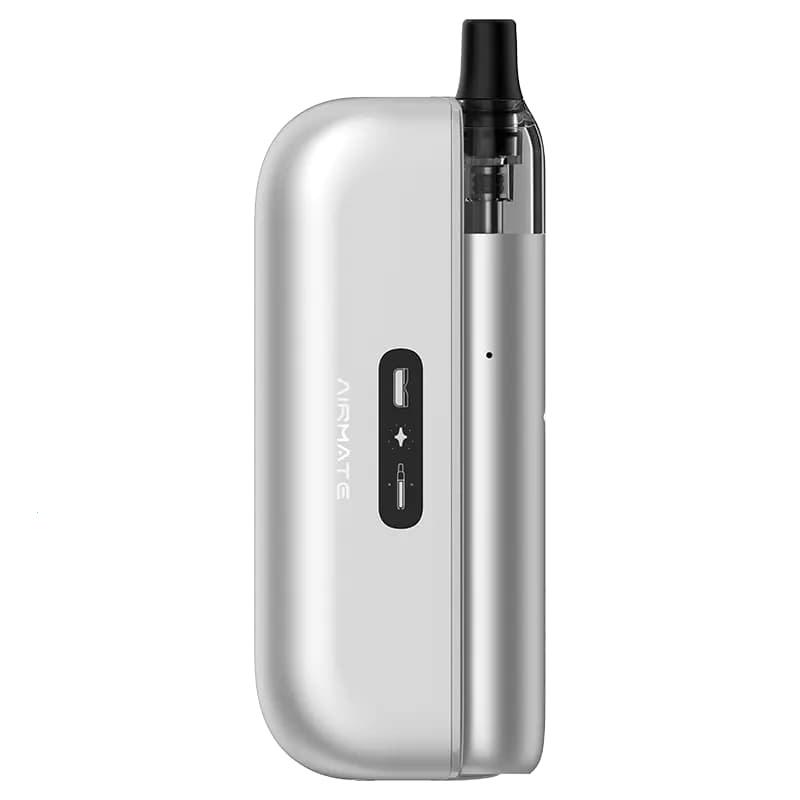
In recent years, several pilot programs have provided insight into the impact of e cigarettes for inmates. For example, some American county jails introduced single-use, tamper-proof vape sticks, reporting reductions in tobacco contraband incidents and prisoner agitation. The UK has rolled out similar programs, particularly in facilities enforcing strict smoking bans; here, e cigarettes became popular among both inmates and correctional staff due to improved air quality and lower tension.
Guidelines for Successful Integration
For correctional facilities considering adoption of e cigarettes for inmates, best practices include:
- Engaging stakeholders—especially health professionals, security staff, and inmates—in open dialogue on risks and expectations.
- Partnering with reputable suppliers with experience in prison-specific device customization.
- Monitoring sales, usage trends, and behavioral impacts closely, with the ability to adapt policies as needed.
- Providing education on nicotine’s risks and available quitting resources, supporting harm reduction rather than normalizing tobacco use.
Conclusion: A Pragmatic Approach to Prison Smoking
Transitioning away from cigarettes toward safer alternatives is a complex but necessary effort in modern corrections. By prioritizing both health and security, and by implementing proven safeguards, e cigarettes for inmates can offer a valuable balance. As with all policy innovations, ongoing evaluation and willingness to refine approaches will determine whether vaping can meaningfully improve conditions for both inmates and correctional staff.
FAQs About E Cigarettes for Inmates
- Are e cigarettes safer than traditional cigarettes for inmates?
- While not risk-free, e cigarettes lack many of the carcinogens and dangers of burning tobacco. They drastically reduce fire hazards and virtually eliminate secondhand smoke, making them safer for enclosed environments like prisons.
- Can the use of e cigarettes help with prison discipline?
- Yes, studies suggest e cigarettes may help reduce nicotine withdrawal symptoms and behavioral issues that often accompany strict smoking bans, leading to fewer confrontations and more manageable prison populations.
- Are there restrictions on what type of e cigarettes inmates can access?
- Absolutely. Correctional facilities usually work with specialists to provide tamper-resistant, single-use devices with regulated nicotine strengths. This helps curb misuse and maintains safety within the facility.