
How Do Vapor Cigarettes Work? Demystifying the Science and Functionality behind E-Cigarettes
If you’ve ever wondered, how do vapor cigarettes work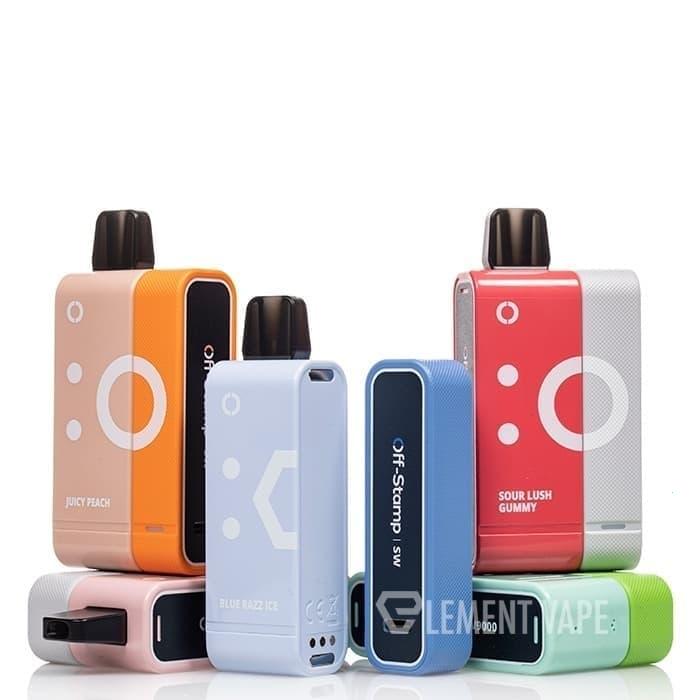 , you’re not alone. As the popularity of e-cigarettes continues to soar, more smokers and non-smokers alike are exploring this technology as an alternative to traditional smoking. But what’s at the heart of these devices? Let’s break down the complex mechanics, components, and health implications of vapor cigarettes in a comprehensive, easy-to-understand manner.
The Basic Principle of Vapor Cigarettes
E-cigarettes, also called vape pens or vapor cigarettes, operate according to a simple principle: they heat a liquid to create a vapor for inhalation. Unlike combustible cigarettes, which burn tobacco to release smoke, vapor cigarettes use battery power to heat a specialized liquid—often called e-liquid or vape juice.
Key Components: Anatomy of an E-Cigarette
- Battery: The battery is the core power source, typically rechargeable and located at the base of the device. It supplies the energy needed to heat the coil.
- Atomizer/Coil:
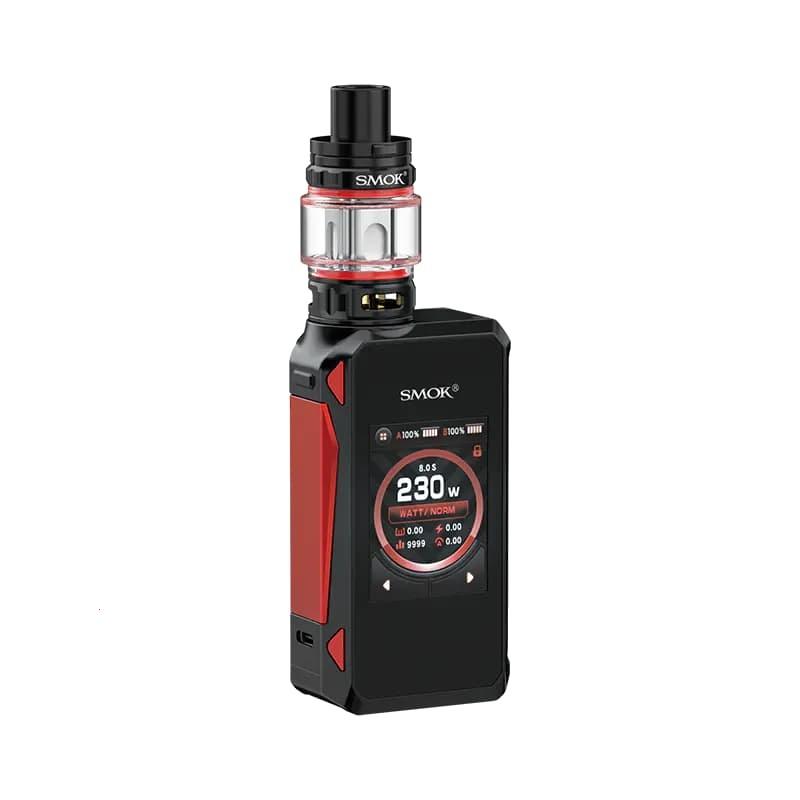 This is the heating element responsible for turning liquid into vapor. When you activate the device, electricity flows through the coil, rapidly heating it.
 - E-liquid Cartridge/Tank: This reservoir contains the e-liquid, which is a solution of propylene glycol (PG), vegetable glycerin (VG), nicotine (optional), and flavorings.
- Mouthpiece/Drip Tip:
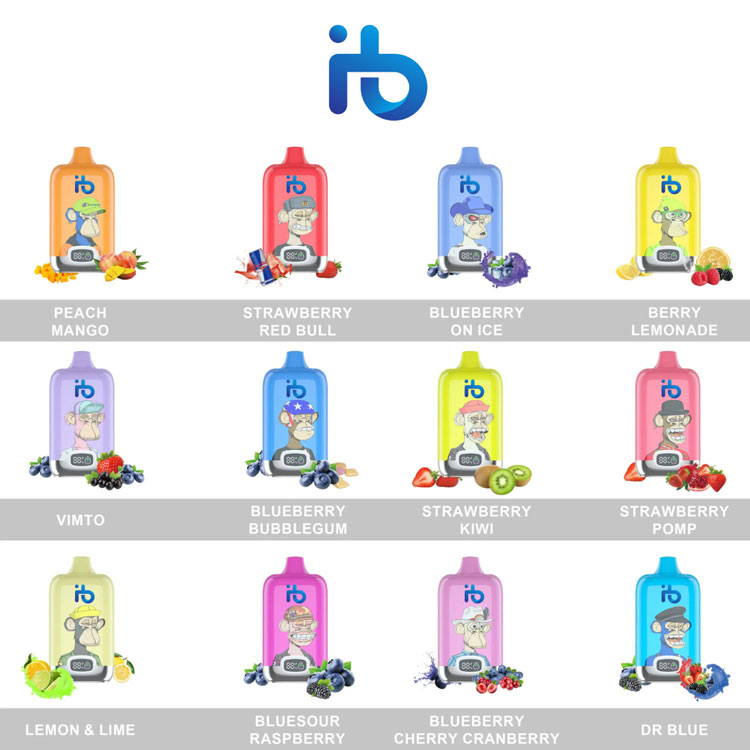 The part where users inhale the vapor. It’s often detachable for cleaning or replacement.
 - Circuit Board/Sensors: In advanced devices, smart electronics regulate heating and safety guarantees.
How Vapor Cigarettes Create Vapor
A user presses a button or inhales (for draw-activated models), signaling the battery to send power to the atomizer. The coil heats up, vaporizing a small portion of the e-liquid into fine droplets—the characteristic “vapor.” Unlike smoke, which contains combustion byproducts, this vapor mostly consists of aerosolized liquid and has fewer harmful chemicals.
Types of E-Cigarettes: From Cigalikes to Mods
The evolution of vapor cigarettes reflects technological advancements and user preferences. Early models resembled cigarettes (“cigalikes”), while the latest products (“mods” and “pods”) offer customizable power levels, refillable tanks, and even smartphone connectivity. No matter the style, they follow the same fundamental process: liquid in, vapor out.
The Chemical Process Behind Vaporization
When the coil is energized, its temperature quickly climbs. This causes the e-liquid, soaked by a wick (often made of cotton), to reach its boiling point and transform into inhalable vapor. The composition and ratio of PG to VG in e-liquid influence vapor thickness and throat hit intensity. Higher VG yields denser clouds, while more PG preserves flavor and body feel.
E-Liquid Ingredients: What’s Inside?
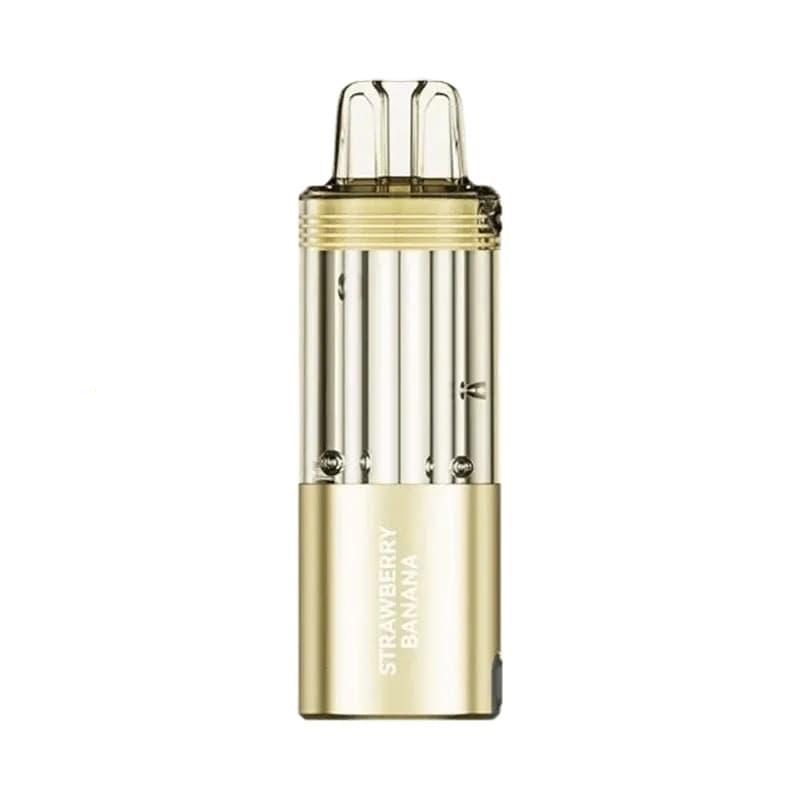
A crucial question for those asking “how do vapor cigarettes work?” is what are you inhaling? Most e-liquids contain:
- Propylene Glycol (PG): A food-safe carrier that delivers flavor and a satisfying throat hit.
- Vegetable Glycerin (VG): A thick, sweet substance mostly responsible for vapor production.
- Nicotine: The addictive stimulant (optional in strength).
- Flavorings: Food-grade flavor compounds ranging from tobacco to fruit, dessert, and menthol.
User Experience and Device Operation
Operating a vapor cigarette is straightforward. Most models feature a button to activate the battery (manual models) or are draw-activated (automatic). As you inhale from the mouthpiece, sensors detect airflow and trigger the atomizer. Many devices offer variable wattage or temperature control, enabling users to tailor their experience.
Benefits and Drawbacks Compared to Smoking
Vapor cigarettes don’t burn tobacco, so they avoid producing tar and many of the carcinogens found in cigarette smoke. For those curious about “how do vapor cigarettes work” in harm reduction, public health experts recognize that vaping may offer a less harmful route compared to smoking, especially for adult smokers unable to quit nicotine. However, vaping isn’t risk-free, and long-term health consequences are still being studied in detail.
Technological Innovations in E-Cigarettes
Modern vape technology has progressed rapidly. Today’s vapor cigarettes feature leak-resistant tanks, USB-C rapid charging, smart chipsets for accurate power delivery, and even Bluetooth connections for usage tracking. Innovations continue to improve flavor accuracy, vapor consistency, and overall safety, ensuring a superior user experience for adults.
Frequently Asked Questions (FAQ)
- Is vaping safer than traditional smoking?
- Most studies agree that using e-cigarettes produces fewer toxins than smoking tobacco. However, vaping is not entirely without health risks, and products should be used responsibly, ideally as a transition method for adult smokers.
- Can e-cigarettes help with quitting smoking?
- For some, using vapor cigarettes can reduce or eliminate tobacco consumption. Effectiveness varies and should ideally be combined with other cessation strategies and medical advice.
- Are there different nicotine levels in e-liquids?
- Yes. E-liquids come in various strengths and even nicotine-free options, allowing users to tailor their consumption based on preference and quitting goals.
In summary, understanding how do vapor cigarettes work is crucial for making informed choices. Whether you are a smoker looking for alternatives or a non-smoker simply curious, recognizing the mechanics and science behind e-cigarettes empowers you to navigate today’s vaping landscape.