
What Vapers Need to Know After the Latest FDA E-Cigarette Regulation
E-cigarettes, once touted as a safer alternative to traditional smoking, have faced increasing scrutiny from regulatory bodies worldwide. Recently, the U.S. Food and Drug Administration (FDA) has implemented a significant ban on certain e-cigarette products that has left many vapers uncertain about the future of vaping in America. If you’ve come across news about the FDA’s actions, it’s essential to understand why these changes occurred and how they may affect vapers, retailers, and the entire vaping industry.
Understanding the FDA’s Role in E-Cigarette Regulation
The FDA’s primary mission is to protect public health by regulating products such as tobacco and nicotine-containing items. Over recent years, e-cigarettes (frequently referred to as vapes, vape pens, and electronic nicotine delivery systems) have surged in popularity, especially among younger demographics. Studies suggest that this rise has led to concerns about youth addiction, respiratory health, and long-term safety. To address these issues, the FDA periodically evaluates products, ingredients, and marketing practices under the Family Smoking Prevention and Tobacco Control Act.
The Extent of the Ban: What Products Are Affected?
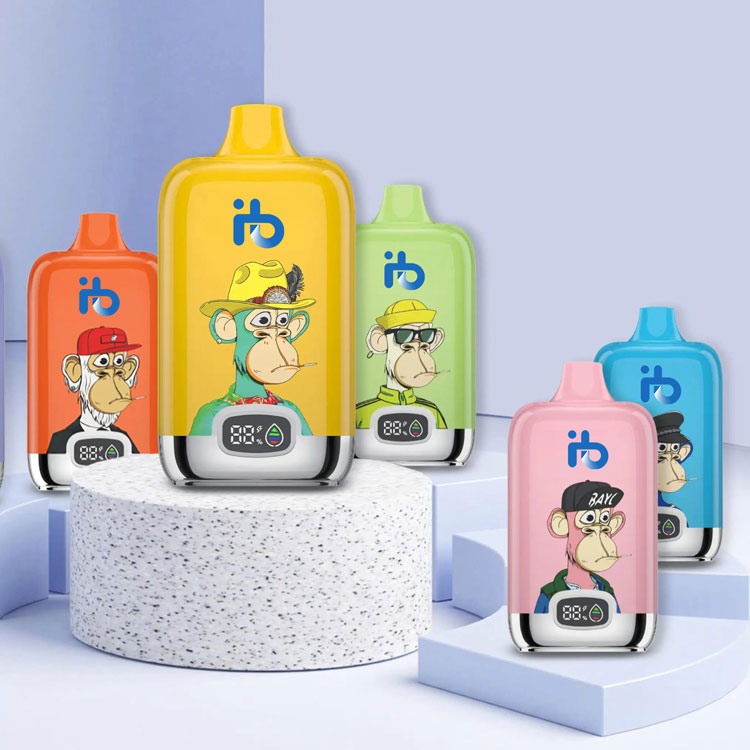
Not all e-cigarette devices or products are being banned. The recent FDA action is primarily focused on flavored products that are believed to appeal disproportionately to young people and those without prior tobacco usage. This includes certain cartridges, disposable vapes, and e-liquids that feature flavors such as fruit, candy, or dessert. Through aggressive review and removal of unauthorized products, the FDA seeks to reduce the accessibility of these products, thus curbing underage vaping.
- Fruit-flavored e-liquids
- Disposable vape devices
- Cartridge-based systems targeting young users
Menthol and tobacco-flavored products may not be included in the ban, but they remain under scrutiny and could face similar restrictions in the future.
Why Did the FDA Ban Flavored E-Cigarettes?
Much of the FDA’s reasoning stems from alarming statistics about youth e-cigarette usage. The National Youth Tobacco Survey revealed a marked increase in vaping among teens and middle school students, with child-friendly flavors contributing to the trend. The FDA’s actions reflect mounting evidence that these flavors encourage initiation among non-smokers and make it harder for existing users to quit nicotine altogether. In addition to health concerns, there’s worry about the normalization of vaping and misperceptions about its safety.
“Protecting our nation’s youth from nicotine addiction is a top priority,” remarked an FDA spokesperson when announcing the ban.
How Will This Affect Vapers and E-Cigarette Users?
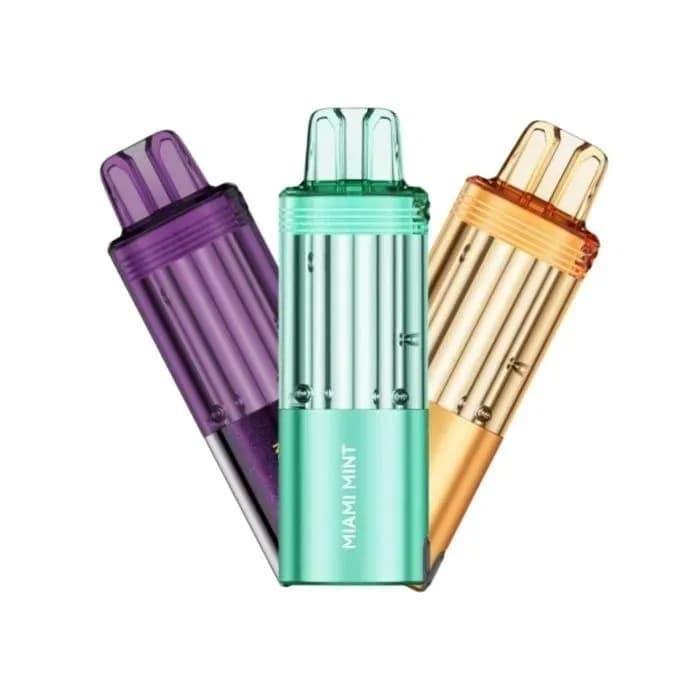
If you’re an adult vaper, you may be wondering whether your preferred products will still be available. The answer depends on the flavor and type of device you use. Retailers are now compelled to remove non-authorized items from shelves, and online vendors must cease selling affected products in compliance with federal law. Those who rely on specific flavors might need to switch to available alternatives or seek out approved products.
Alternative Options: Many companies are shifting towards the development of tobacco or menthol-flavored e-liquids, which are less likely to attract bans. Vapers interested in continuing to use e-cigarettes legally should research brands that have submitted premarket tobacco product applications (PMTA) and received FDA authorization.
Retailers and Manufacturers: Navigating Compliance
The ban has major implications for those in the vaping industry. Retailers are instructed to immediately halt the sale of banned products, regardless of existing stock. Manufacturers must ensure that their items meet the regulatory standards put forth in the PMTA process, which evaluates product safety, public health impact, and effectiveness for adult smokers seeking alternatives.
Failure to comply exposes retailers and manufacturers to fines, penalties, and possible product seizures. Ensuring lawful business practices is paramount for anyone involved in e-cigarette distribution.
Public Health Debate: Is Vaping Safer Than Smoking?
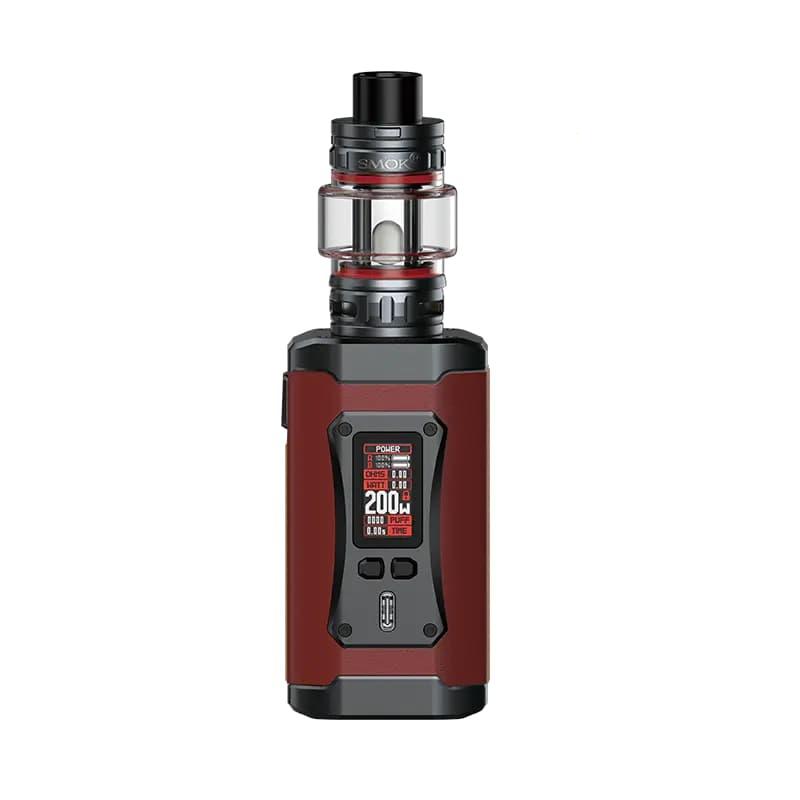
The FDA emphasizes that while vaping may be less harmful than traditional cigarettes, it is not harmless. The long-term effects of e-cigarette usage are still under investigation, but preliminary data links vaping to respiratory problems, heart risks, and potential carcinogenic exposure from certain ingredients. The recent regulatory shift is part of a larger effort to prevent the next generation from developing nicotine dependence and to provide accurate information about the risks associated with all nicotine products.
Will the Ban Reduce Youth Vaping?
Experts believe that limiting flavored vape options will decrease youth interest and try rates. However, enforcement and ongoing education will be critical in sustaining these gains. There remains the challenge of illicit markets; some users may turn to unregulated sources, which can introduce new health risks.
Impact on Adult Smokers and Harm Reduction Strategies
The FDA recognizes that some adults use e-cigarettes as part of a harm reduction method to quit smoking combustible tobacco. The agency’s approach tries to balance these benefits with youth protection. If you’re an ex-smoker using e-cigarettes, approved tobacco-flavored options are likely to remain accessible, while research continues into safer cessation aids.
Cessation support, such as nicotine patches, gum, and counseling, remains important, and vapers seeking to switch or quit altogether should consult with healthcare professionals for personalized guidance.
The Future of Vaping in the United States
As scientific research and public sentiment shift, so too will regulations. There may be more bans, tighter restrictions, or eventual approval of some innovative products. The vaping community should expect ongoing scrutiny and be prepared to adapt—whether in flavor selection, device technology, or cessation methodology.
Ultimately, the FDA’s actions are intended to protect public health, but they also introduce complexity for legal adult users and legitimate businesses. Dialogue between consumers, health experts, and regulators will be key to establishing balanced policies.
FAQs About the FDA E-Cigarette Ban
- Q: Can I still buy e-cigarettes after the ban?
- Most tobacco and menthol-flavored products remain available if they have FDA authorization. Flavored vapes, however, are subject to removal. Always check if your preferred items comply with current regulations.
- Q: Are all vape devices illegal now?
- No, only specific flavors and products targeted by the recent ban are restricted. Approved devices and flavors continue to be legally sold.
- Q: What should I do if I want to quit vaping?
- Many safe and effective alternatives exist, including nicotine replacement therapies and professional counseling. Healthcare providers can guide you based on your needs and history.
Vapers, businesses, and curious individuals alike should remain vigilant as regulatory policies evolve, understanding both limitations and opportunities in the pursuit of safer health outcomes.