
In recent years, vaping has become a popular alternative to traditional smoking, primarily due to its touted benefits and perceived lower health risks. However, a common question arises: how do e-liquid nicotine levels compare to those in traditional cigarettes? Understanding the nicotine concentration in e-liquids versus cigarettes is crucial for both potential and current vapers. This article delves into these differences, offering a detailed analysis.
Understanding Nicotine Content
The nicotine level in traditional cigarettes typically ranges from 12 to 20 mg per cigarette. Each cigarette, when smoked, allows the smoker to absorb about 1 to 2 mg of nicotine. In contrast, e-liquids, used in vaping devices, have nicotine concentrations expressed in milligrams per milliliter (mg/ml). These can range from nicotine-free options up to 50 mg/ml in some products.
The Impact of Vaping Devices
Vaping devices vary widely, influencing how much nicotine is delivered per puff. Devices like pod mods and sub-ohm tanks can affect the absorption rate. For instance, sub-ohm vaping typically utilizes lower nicotine concentrations due to increased vapor production, leading to a different experience compared to standard vaping.
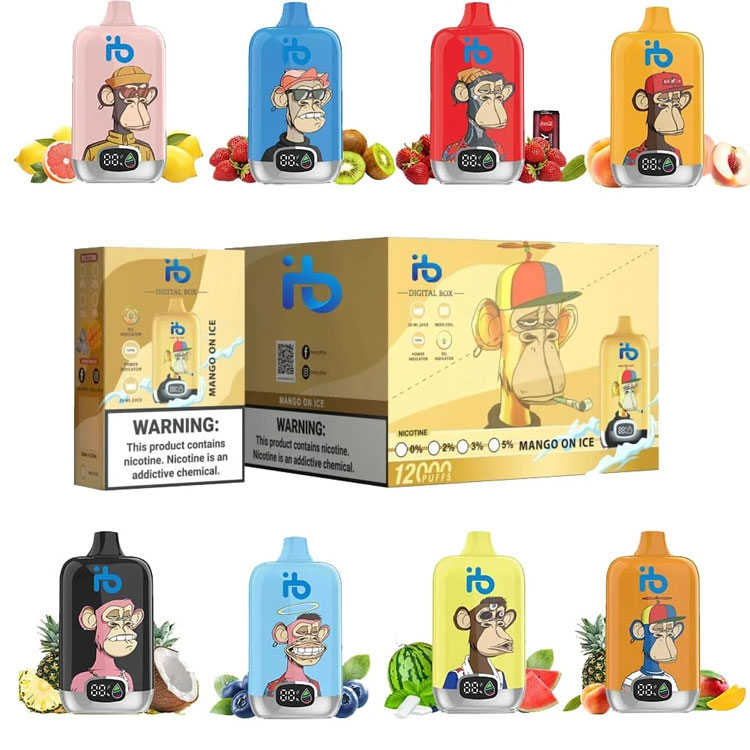
Nicotine Absorption Differences
The method of nicotine absorption differs significantly between smoking and vaping. Cigarettes deliver nicotine quickly and in high spikes, whereas e-liquids tend to provide a steadier, sometimes more controllable, release. This distinction often affects how satisfying each method is to the user.
Health and Safety Considerations
While both cigarettes and e-liquids contain nicotine, the harmful effects associated with traditional smoking are mainly due to other chemical substances released when tobacco burns. E-liquids, on the other hand, contain fewer toxic substances. However, the long-term effects of vaping are still being studied, and nicotine, regardless of its delivery method, can be addictive.
Nicotine Levels and Use Patterns
Individuals switching from smoking to vaping should consider nicotine levels carefully. Some might require higher nicotine strengths initially to meet cravings but can gradually reduce the concentration as they adjust to vaping.
Making the Transition
Transitioning from smoking to vaping involves some experimenting with different nicotine levels to find personal satisfaction. It’s crucial to start with a nicotine level that curbs cravings but gradually adjust it as your needs change.
Regulatory Aspects
Different regions have varying regulations regarding nicotine content in e-liquids. For example, the European Union caps e-liquid nicotine levels at 20 mg/ml, ensuring safer consumption standards. Always check local regulations when purchasing e-liquids.
FAQs
Q: Can vaping help reduce nicotine addiction? A: For some, vaping serves as a way to control nicotine intake gradually. However, it’s essential to have a plan to reduce dependence over time.
Q: Is vaping safer than smoking? A: While vaping is considered less harmful than smoking cigarettes due to fewer chemical compounds, it’s not entirely risk-free. Continued research is vital to understand the long-term implications.
Q: How do I choose the right nicotine level for my e-liquid? A: If you’re new to vaping, consider starting with a medium nicotine level, like 12 mg/ml, and adjust based on your cravings and comfort level.