Youth e-cigarette use has seen a dramatic decrease, reaching its lowest level in a decade. This is a remarkable shift considering the previous alarming trends of rising e-cigarette consumption among teens. The reduction not only marks a positive turn in public health but also highlights the impact of stringent regulations and campaigns aimed at educating the youth about the risks associated with e-cigarette use.
E-cigarettes were initially considered a healthier alternative to traditional smoking, appealing to a younger audience with a variety of flavors and sleek, modern designs.
Despite the decline, e-cigarettes remain a topic of concern for parents, educators, and policymakers alike due to their potential health risks, including addiction and lung damage.
Understanding the Reasons Behind the Decline
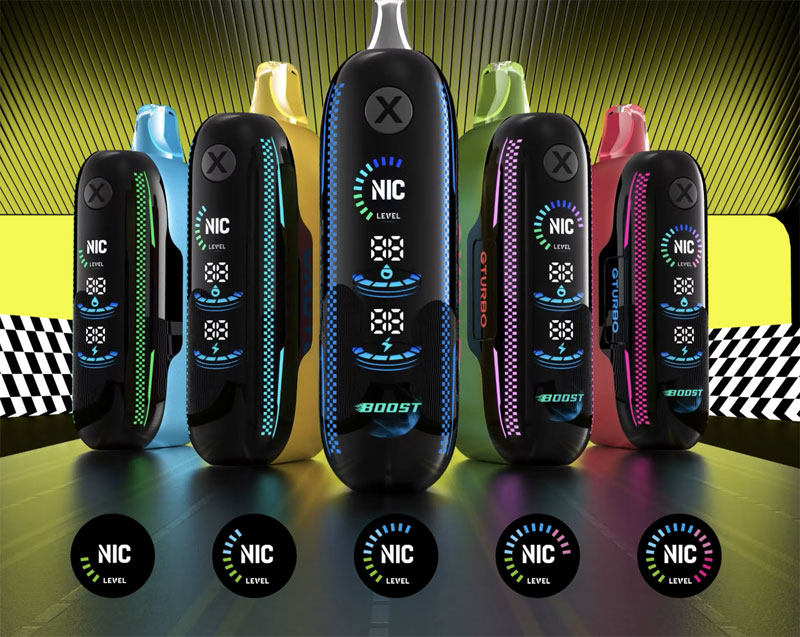 Multiple factors contribute to the decreasing rates of youth e-cigarette consumption.
- Government Regulations: Stricter laws have been imposed on e-cigarette marketing, curtailing advertisements that target younger demographics, and enforcing age restrictions for purchasing.
- Public Awareness Campaigns: Nationwide campaigns focusing on educating teens about the dangers of e-cigarettes have increased awareness and reduced appeal.
- School Initiatives: Schools have implemented educational programs to combat vaping, discouraging its use through direct engagement with students.
These comprehensive strategies reflect a coordination between legislative bodies, health organizations, and educational institutions, all working in unison to tackle the e-cigarette epidemic.
Health Implications of E-Cigarette Use
While e-cigarettes are often perceived as a safer alternative to traditional cigarettes, research suggests otherwise. The Department of Health points out several adverse effects including respiratory issues and potential developmental concerns for younger consumers. Nicotine, a highly addictive substance, remains prevalent in e-cigarettes, posing significant addiction risks. Increased focus on these health threats has aided in shaping public perception, steering youth away from vaping habits.
Technological Innovations and Market Shifts
 The e-cigarette industry has faced challenges with the introduction of new, stringent policies. Manufacturers are compelled to adapt by modifying products to comply with regulations, which influences market dynamics significantly.
Modern vaping technology initially drew in a young crowd due to its appealing variety of flavors and portable device designs. However, increased scrutiny has prompted a shift towards consumer safety.
With growing apprehension about health impacts and new legal frameworks shaping the industry, youth interest in vaping has notably waned.
Technological advancements in vapor products now focus increasingly on safety and minimizing harm.
Future Trends in Youth E-Cigarette Usage
Moving forward, the future of youth e-cigarette use remains uncertain. Ongoing strategies continue to push for lower consumption rates while monitoring potential rebound effects as new product trends emerge.
Ongoing discussions among health professionals and policymakers emphasize the need for continuous adaptation to protect youth from potential harm. As policies evolve, the landscape of youth vaping will likely fluctuate alongside regulatory and cultural shifts.
Frequently Asked Questions