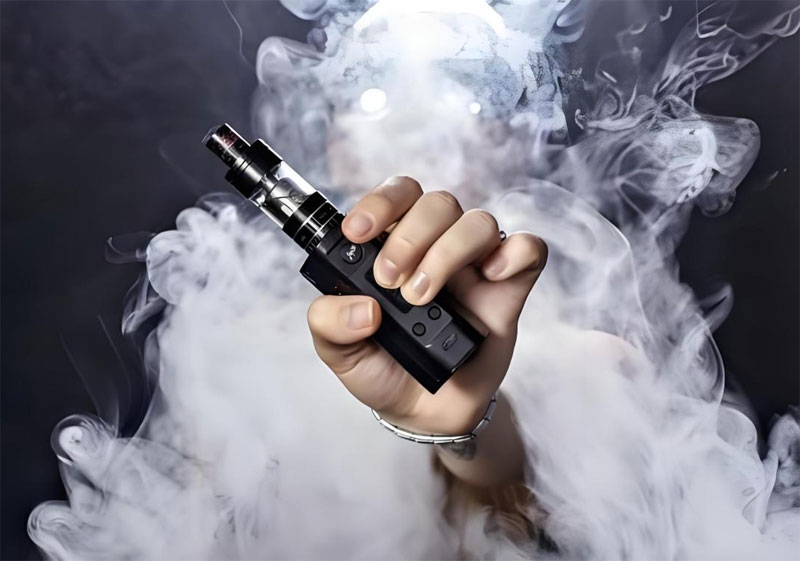
Exploring the Chemical Compounds in E-Cigarettes
Electronic cigarettes, often referred to as e-cigarettes, have gained popularity as an alternative to traditional tobacco smoking. However, it is crucial to understand the various chemical components present in e-cigarettes to assess their impact on health. These devices function by heating a liquid known as e-liquid to produce aerosol, commonly called vapor. The core ingredients of e-liquids typically include propylene glycol (PG), vegetable glycerin (VG), nicotine, and flavorings. Each component plays a role in the vaping experience and has different health implications.
Primary Ingredients in E-Liquids
The base of most e-liquids is a combination of propylene glycol and vegetable glycerin. PG is a colorless and odorless liquid that is used to produce a throat hit similar to smoking tobacco. In contrast, VG is a thicker liquid that contributes to vapor production. The ratio of PG to VG in e-liquids can vary, affecting the consistency of the vapor.
Nicotine, a well-known addictive substance, is optional in e-liquids, allowing users to choose nicotine-free options if preferred. For those who opt for nicotine-containing e-liquids, the nicotine concentration can range from high to zero, offering flexibility for individuals trying to reduce their nicotine intake.
Understanding Flavorings in E-Cigarettes
Flavorings are added to e-liquids to improve the taste and vaping experience. These flavoring agents are usually food-grade and can range from fruity flavors to more complex blends like tobacco or dessert flavors. However, the safety of inhaling heated flavor compounds remains a subject of ongoing research.
The Presence of Chemicals in Vaping
While e-cigarettes are often promoted as a safer alternative to traditional smoking, it is important to acknowledge that they contain numerous chemicals beyond the primary ingredients. When e-liquids are heated, they can potentially form harmful byproducts such as formaldehyde and acetaldehyde due to the thermal decomposition of ingredients like propylene glycol and glycerin.
Moreover, trace amounts of metals such as nickel and chromium can leach from the heating coil into the vapor, posing additional health risks. There is also the presence of volatile organic compounds (VOCs), which can contribute to respiratory issues. Therefore, understanding the chemical profile of e-cigarettes is crucial for consumers making informed decisions.
Potential Health Impacts
The chemical components of e-cigarettes have raised concerns regarding short-term and long-term health effects. While vaping might be less harmful than smoking traditional cigarettes, it is not entirely without risk. The inhalation of several chemical compounds can lead to respiratory issues, cardiovascular disease, and other health problems. Continuous research is underway to fully understand the extent of the health implications associated with e-cigarette usage.
Regulation and Future Directions
As the popularity of e-cigarettes increases, so does the need for stricter regulations and comprehensive studies to ensure consumer safety. Several countries have implemented regulations governing the sale and advertisement of e-cigarettes, with a focus on minimizing youth access and addiction potential. Future advancements might offer safer alternatives through new technologies and formulations aimed at reducing adverse health effects.
Frequently Asked Questions
- Are e-cigarettes safer than traditional cigarettes? While e-cigarettes generally contain fewer toxic substances than traditional cigarettes, they are not without risks and can still pose significant health issues.
- What chemicals in e-cigarettes are considered harmful?
 Harmful chemicals in e-cigarettes may include formaldehyde, acetaldehyde, trace metals, and volatile organic compounds, which can cause health problems upon inhalation.
 - Is there a safe level of nicotine intake with e-cigarettes? The safety of nicotine intake varies per individual, but users can choose nicotine-free e-liquids to minimize addiction risks and other health concerns.